Hello, I’m Megumi Hara. As an event planner based in Tokyo, my life revolves around noise, schedules, and the relentless forward motion of Japan’s biggest metropolis. We Tokyoites have our own ways of escaping—a quick trip to Hakone’s hot springs, a stroll through Kamakura’s temples, often with a focus on aesthetics and a carefully curated sense of calm. But when I talk to my friends and colleagues living in Osaka, they speak of a different kind of escape, one that feels less like a vacation and more like a necessary system reboot. They talk about Koyasan. At first, it seemed like a contradiction. How could the people from Japan’s loudest, most pragmatic, and relentlessly commercial city find solace in a silent, spiritual mountain monastery? The answer, I discovered, reveals something fundamental about the Osaka soul. It’s not about escaping Osaka; it’s about recharging for Osaka. It’s a spiritual retreat approached with the same practical mindset that fuels the city’s famous merchant culture. To understand Osaka, you have to understand why its people willingly trade the clatter of Shinsaibashi for the contemplative silence of Mount Koya.
This spiritual retreat not only recharges the soul but also contrasts with Osaka’s vibrant urban life, where exploring Osaka’s bunka jutaku retro apartments offers a glimpse into the city’s unique blend of tradition and modernity.
The Great Escape: From Namba’s Neon Jungle to Nankai’s Serene Climb
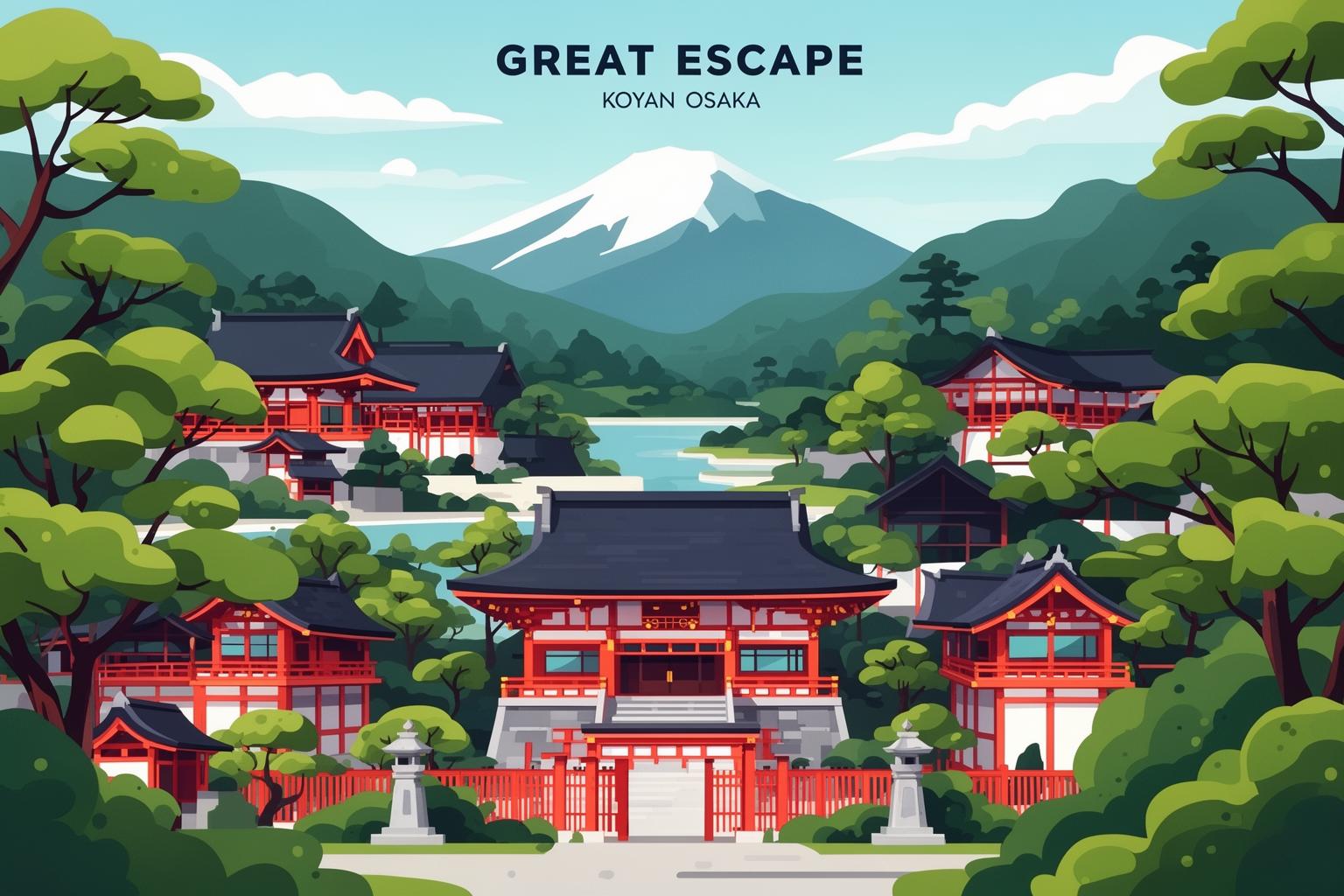
Any journey to Koyasan from Osaka starts at Nankai Namba Station, a place that is the complete opposite of monastic calm. It’s a chaotic chorus of rumbling trains, urgent announcements, and the tempting, greasy scent of takoyaki drifting up from the street. This is the epicenter of Osaka’s energy. People move faster here, speak louder, and laugh with their entire bodies. They aren’t rude; they’re simply highly efficient in their movements and expressions. There’s no time for subtlety when you have places to be and deals to close. The Nankai Koya Line platform is a fascinating microcosm of the city. You spot the usual salarymen in suits, phone pressed to ear, squeezing in one last call. You see groups of friends, already joking and sharing snacks. But you also notice those who look… different. They carry smaller bags. Their faces are a bit more relaxed. These are the travelers heading for the mountains, and the transformation starts even before the train doors close.
The train ride itself is a slow release. As the boxy apartment buildings and tangled electrical wires of southern Osaka give way to green hills and terraced rice paddies, the mood inside the train changes. The loud chatter fades to a murmur. People put away their phones and begin gazing out the windows. This isn’t the sleek, silent efficiency of a Shinkansen bullet train whisking business travelers between Tokyo and Shin-Osaka. This is a local line, a workhorse, and the journey itself is part of the experience. It feels like you’re shedding the layers of the city station by station. The final leg, the cable car climbing the steep mountainside, is the last break. The city fades below, and all you hear is the rhythmic clank of the cable and the whisper of wind through towering cedar trees. For an Osakan, this journey is more than just transportation. It’s a conscious, physical act of unplugging from the high-voltage grid of daily life.
Trading “Moukarimakka?” for Morning Chants
One of the most iconic greetings in Osaka, though now primarily used humorously, is “Moukarimakka?” which means “Are you making a profit?” This phrase perfectly captures the city’s merchant spirit, where business and daily life are deeply intertwined. At a shukubo, or temple lodging, in Koyasan, this question is replaced by the resonant, rumbling chant of monks performing their morning sutras. Here, the currency of commerce is exchanged for the currency of contemplation. This shift might feel abrupt anywhere, but for someone immersed in Osaka culture, it represents a profound and necessary adjustment.
The Osaka Approach to Spirituality: Practical and Unpretentious
When staying in a temple, you’re not merely a hotel guest; you’re invited to take part in the monastic routine, including the gongyo, or morning service. In the pre-dawn chill, you sit on the tatami floor of a grand, dimly lit hall, with the air thick with incense. The monks begin chanting, their deep, hypnotic voices resonating through your bones. Watching my fellow guests from Osaka, I noticed an absence of performative devotion. They weren’t there to analyze Buddhist theology or seek some dramatic spiritual awakening. Their approach was distinctly practical. They came to absorb the calm. Closing their eyes, breathing deeply, they let the sounds envelop them. An older man who ran a small factory in Higashiosaka later shared over breakfast, “This? It clears the noise from my mind. I can think better all week. It’s better than any medicine.” That sums up the Osaka mindset. Spirituality isn’t an abstract ideal; it’s a tool—a means to enhance mental clarity, health, and ultimately, one’s effectiveness in the real world. In Tokyo, such an experience might be framed as cultural appreciation or personal enlightenment. In Osaka, it’s all about results. The payoff for a weekend in Koyasan is a week of improved focus and reduced stress.
Shojin Ryori: Fuel, Not Just Food
Osaka’s identity is deeply connected to food. The idea of kuidaore—to eat oneself into ruin—is a source of civic pride. The city’s cuisine is rich, savory, and generous: hearty bowls of udon, sizzling plates of okonomiyaki slathered in sauce, and deep-fried kushikatsu skewers. So how does this culture of indulgence align with shojin ryori, the traditional vegetarian, often vegan, cuisine of Buddhist monks? The answer is, once again, pragmatism. Shojin ryori consists of many small, exquisitely prepared dishes. You’ll find silky goma-dofu (sesame tofu), gently simmered vegetables, crisp tempura made from mountain plants, and simple pickles. The flavors are subtle, clean, and pure. For an Osakan, this isn’t about self-denial. It’s a system reset. After months of rich food and after-work drinks, a weekend of shojin ryori is viewed as a way to reboot the body. It’s maintenance. People don’t lament the absence of meat; they praise the lightness and energy they feel afterward. It’s seen not as a limitation but as delicious, healthy fuel that sharpens the mind and restores the body. It’s the ultimate health food, enjoyed in the most serene setting possible, making it an incredibly effective way to care for oneself.
Okunoin Cemetery: Where Commerce and Calm Coexist
Nowhere is the unique fusion of Osaka’s practicality and Koyasan’s spirituality more evident than in Okunoin, Japan’s largest cemetery. A stunning two-kilometer path meanders through a forest of ancient cedar trees, bordered by over 200,000 tombs and monuments. It serves as the final resting place for countless historical figures, including the feudal lord Oda Nobunaga, and, at its center, the mausoleum of Kobo Daishi, the founder of Shingon Buddhism. It is undeniably a sacred and powerful site. Yet, as you walk along the path, something initially seems surprisingly out of place: corporate memorials.
The Corporate Memorials: A Very Osaka-esque View of the Afterlife
Amidst the moss-covered stones of samurai and daimyo rest monuments erected by some of Japan’s most renowned companies. There’s a giant coffee cup representing a coffee corporation, a rocket for an aerospace firm, and even a monument dedicated to termites, created by a pesticide manufacturer to appease the spirits of the insects they have exterminated. From certain Tokyo viewpoints, this might appear crass—a commercial intrusion into a sacred space. But for an Osakan, it is perfectly logical. In Osaka, your company can feel like family. The boundary between personal and professional life is often blurred. Business thrives on relationships, loyalty, and a shared sense of purpose. Honoring your company, colleagues, and even the tools of your trade in a place like Okunoin is viewed as a profound gesture of respect. It acknowledges that one’s work is a meaningful part of one’s life. It represents a pragmatic extension of ancestor worship into the corporate realm. It affirms that the worldly efforts of commerce deserve spiritual remembrance. This blend of the sacred and the commercial, the tranquil and the industrial, resonates deeply with the core spirit of Osaka, a city built by merchants who understood that business has always been fundamentally human.
The Return Journey: Re-entering the Concrete Cauldron
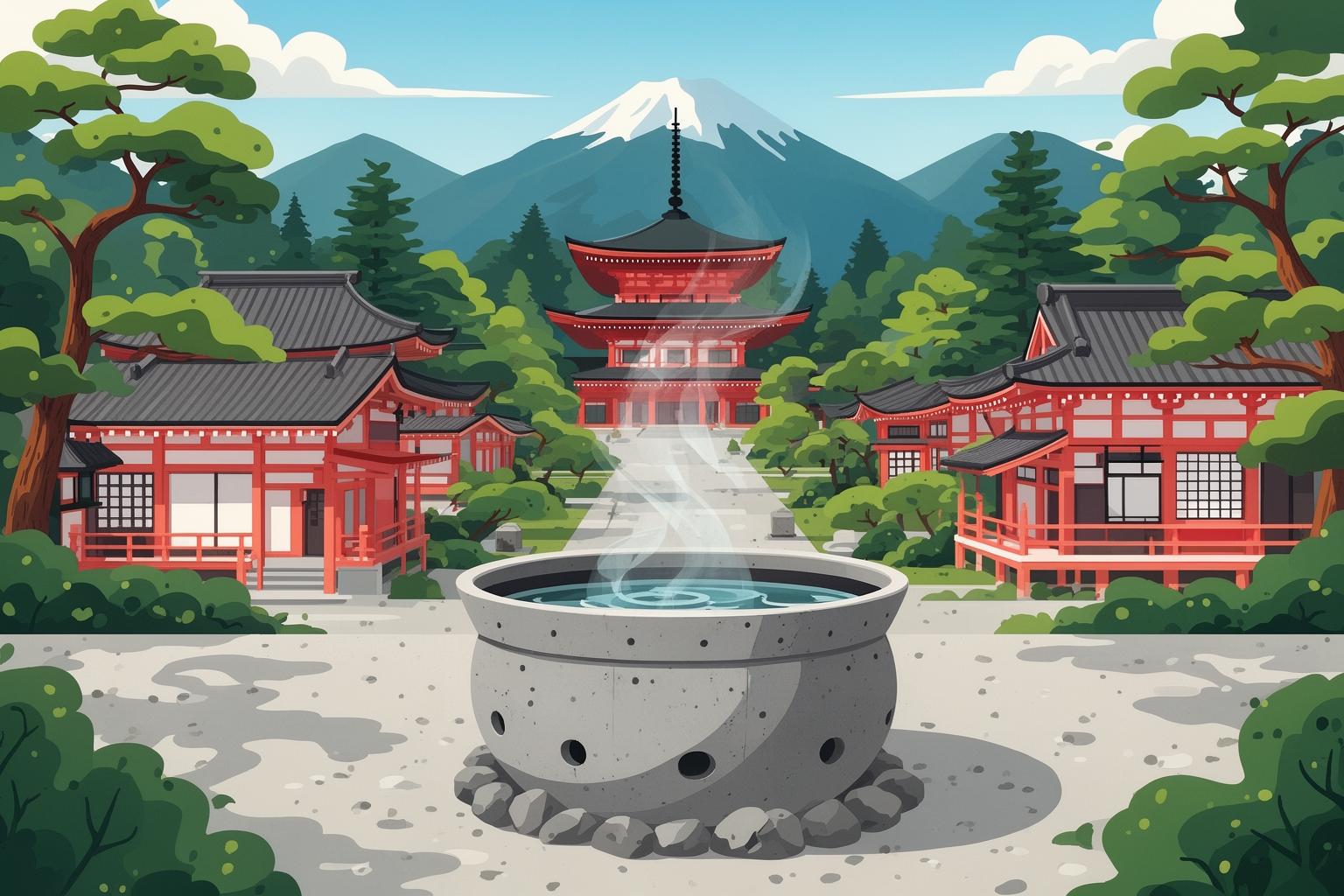
The descent from Mount Koya mirrors the ascent, serving as a gradual re-acclimatization to the world left behind. The cable car brings you down towards the everyday, and with each stop the train makes on its route back to Namba, the intensity of life gradually increases. You begin to notice more advertisements, overhear more conversations, and sense the familiar hum of the city slowly returning. Stepping off the train at Nankai Namba station feels like plunging into a hot bath. The rush of sounds, scents, and people overwhelms you all at once. The calm, reflective person who walked through Okunoin just hours earlier is now weaving through tourists, navigating ticket gates, and being carried along by the human flow heading toward the Dotonbori canal.
Bringing the Mountain’s Peace Back to the City’s Hustle
Yet something is different. The chaos no longer seems overwhelming—it feels… vibrant. The weekend doesn’t turn you into a monk, but it renews your ability to manage Osaka’s intensity. It’s like recharging a battery. You return with a reservoir of calm that lets you embrace the city’s energy without being consumed by it. The crowded Midosuji subway line feels less stifling. The straightforward, no-nonsense communication style of your neighbors seems more charming than harsh. Your tank has been refilled. The trip to Koyasan wasn’t an escape from Osaka’s reality; it was a strategic retreat meant to help you live it better. This is an important distinction often missed by foreigners—and even some Japanese. They see the city’s relentless pace and assume its residents must be perpetually stressed. But many Osakans possess this built-in release valve. They know when and how to step away—not to abandon their world, but to return stronger, clearer, and prepared for whatever comes next.
Why Koyasan Explains the Osaka Soul
Living in Osaka is like engaging in an immersive, full-contact sport. The city radiates immense warmth, humor, and a strong entrepreneurial spirit. Yet, that vibrant energy demands sustenance. The relationship between the lively, cosmopolitan city of Osaka and the quiet, sacred mountain of Koyasan is mutually supportive. One cannot be fully appreciated without recognizing the other. Koyasan does not oppose Osaka’s values but rather serves as a crucial element in sustaining them. It offers the silence that makes the city’s noise tolerable, the simplicity that accentuates the richness of its culture, and the spiritual calm that counterbalances its commercial drive. The capacity to effortlessly shift from negotiating a business deal on Monday to chanting with monks on Saturday is a testament to remarkable mental agility. This is the hidden strength of Osaka’s character. It reveals that beneath the loud exterior and pragmatic focus on the bottom line lies a profound understanding that life demands balance. For anyone seeking to grasp what daily life in Osaka truly entails, a visit to Koyasan offers more insight than any guidebook. It reveals not only where Osaka’s residents go to escape, but also what they cherish enough to return to.