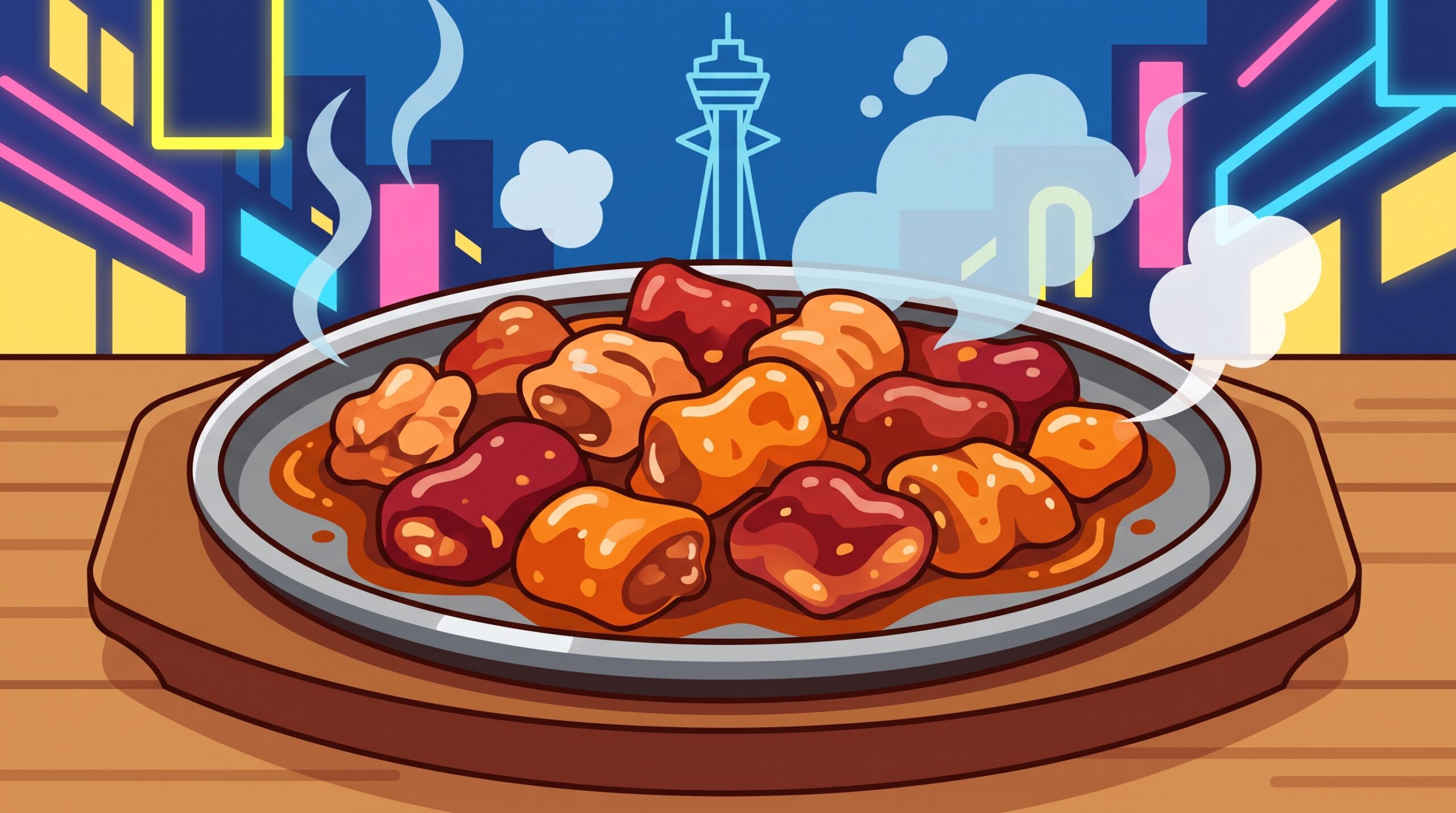
If you are standing on a train platform in Tokyo, the air smells of absolutely nothing. It is a sterile, pristine, engineered vacuum. But when you step off the train at certain stations in Osaka, the air hits you differently. It is thick. It carries the unmistakable, heavy scent of rendering beef fat, toasted sesame oil, burning charcoal, and caramelized garlic. You are smelling the very lifeblood of the city. For anyone living in Osaka, or anyone contemplating what daily life in Osaka is actually like, this aroma is your initiation. It is the smell of horumon-yaki.
Foreigners often ask if Osaka is a good place to live, and they usually want to know about rent prices, train lines, or the proximity to Kyoto. But the real answer to whether you will thrive here lies in how you react to that thick, smoky air. Osaka is a city that does not hide its messy parts. It embraces them, puts them on a grill, and invites you to pull up a beer crate and sit down. Understanding what Osaka people are like requires moving beyond the tired cliché that “Osaka is friendly.” Yes, people here will talk to you on the subway, but their true defining trait is their relentless, unpretentious pragmatism. They hate waste. They love value. They respect substance over style.
Nowhere is this cultural mindset more perfectly crystallized than in horumon-yaki, the act of grilling beef and pork offal over an open flame. To eat horumon is to eat the history of this city. It is loud, it is smoky, it requires chewing, and it completely demystifies the polished, delicate image of Japanese cuisine you might have brought with you on the plane. If you want to understand the heartbeat of Kansai, you have to sit in the smoke.
What is Horumon-yaki? The Soul Food of Osaka
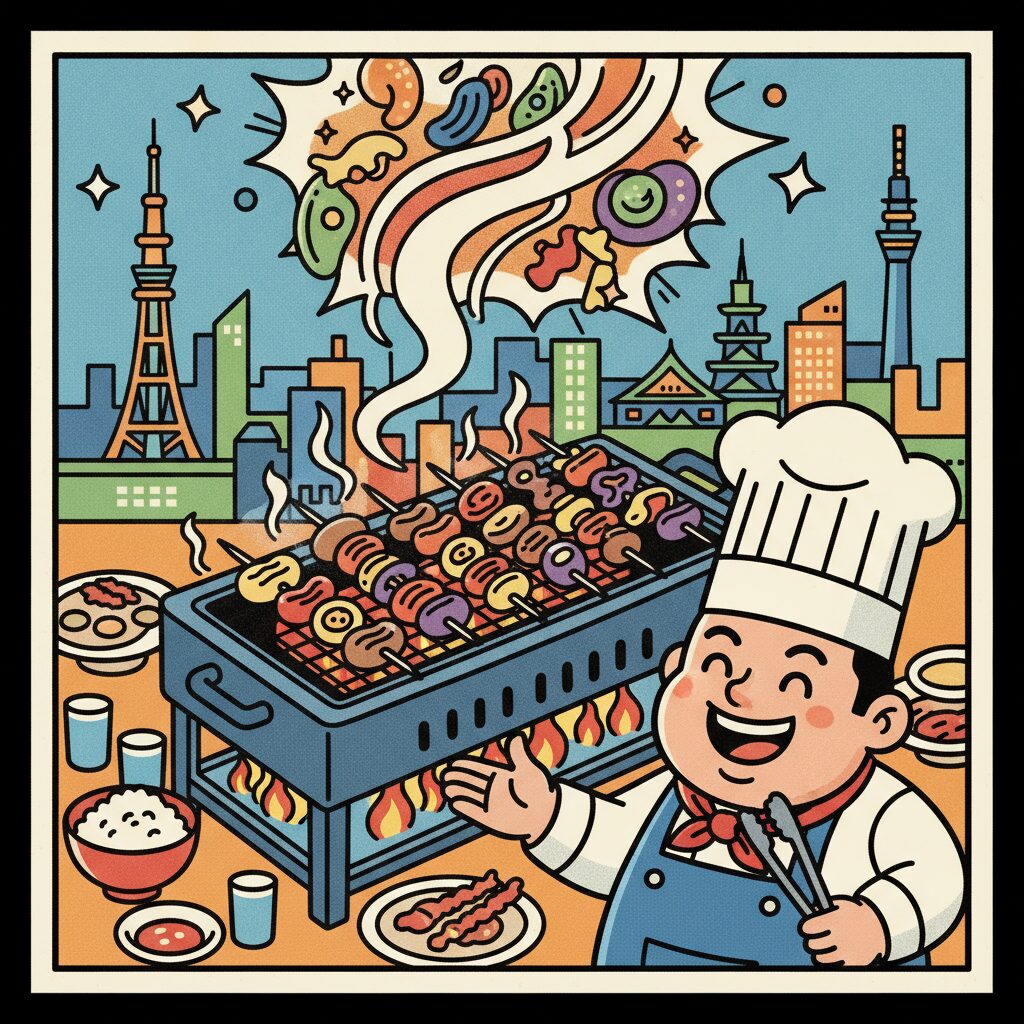
To understand why this style of eating is so essential to daily life in Osaka, you need to consider both the language and the history. This is more than just a type of barbecue; it is a philosophy born from hardship and shaped by the local merchant spirit.
The Origins of Horumon and Osaka’s Food Culture
The key to grasping the difference between Osaka and Tokyo lies in the etymology of the food you’re eating. The term “horumon” has origins deeply embedded in the Kansai dialect. In standard Japanese, the verb for throwing something away is “suteru,” but in Osaka’s local dialect, it’s “horu.” Adding “mono,” meaning “thing,” creates “horu mono”—literally, “things to be thrown away.”
In the post-war period, when food was scarce and hunger widespread, standard cuts of beef and pork were considered luxuries. The internal organs—the intestines, stomachs, hearts—were regarded as “horu mono,” the scraps leftover from butchering. Yet, driven by a strong “mottainai” spirit (a deep regret over wasting anything valuable) and a famed talent for culinary creativity, Osaka’s people refused to discard these parts. Korean immigrants, many residing in the Kansai area, played a significant role in this transformation by introducing marinades and grilling techniques that turned these tough, pungent scraps into prized delicacies.
This is a common misconception foreigners have about Osaka. The city’s renowned street food culture isn’t just about indulgence; it’s about resourcefulness. It’s about taking what’s unwanted and turning it into something unforgettable. When you enjoy horumon-yaki today, you’re partaking in a zero-waste tradition that converted poverty into a cherished culinary art.
Yakiniku vs. Horumon-yaki: What Sets Them Apart?
Walking through any Japanese city, you’ll see signs advertising “Yakiniku.” The concept is straightforward: diners sit around a table with a built-in grill, order plates of raw meat, and cook it themselves. Regular yakiniku focuses on muscle meats—you might order karubi (short rib), rosu (loin), and harami (skirt steak). These cuts are tender, marbled with fat, and melt in your mouth effortlessly.
Horumon-yaki, however, is the wild, untamed cousin of standard yakiniku. While horumon restaurants often offer a few standard cuts like skirt steak, their menus are primarily devoted to internal organs. This is where the dining experience truly changes. Muscle meat demands little thought; you simply sear and eat. Horumon requires involvement. It challenges your palate with a vast range of textures—some cuts are crunchy, others rubbery, some burst like savory fat-filled balloons, and others are dense and mineral-laden.
Moreover, the flavor of the dipping sauces, or “tare,” is uniquely distinct here. In Osaka, the tare for horumon is assertive. It is thick, sticky, and intensely savory, usually made with a base of red miso, soy sauce, a generous amount of crushed garlic, sesame oil, and occasionally grated apple or pear for a touch of sweetness. This potent marinade is essential for masking the gamey taste of offal and creating a rich, caramelized char when the meat sizzles on the hot iron grate.
A Beginner’s Guide to Horumon Cuts
Staring at a horumon menu can trigger panic in a new resident due to its completely unfamiliar vocabulary. However, decoding this menu is a rite of passage for living in Osaka. Once you understand what to order, the intimidation fades away. Below is a guide to the essential cuts, their Japanese names, and what to expect when you take a bite.
Mino (Beef Tripe): Crisp and Chewy
Mino is the first stomach of the cow and often the most approachable option for beginners since it neither looks nor tastes like an organ. When served, it resembles a pale, thick piece of squid. The chefs carefully score the surface with a crisscross pattern so it cooks evenly and resembles a blooming pinecone on the grill.
The flavor of mino is notably mild, serving mainly as a canvas for rich miso tare or a simple sprinkle of salt and lemon. Its real charm lies in its texture—crisp, offering a satisfying snap with each bite. It’s chewy without being rubbery, making it a perfect match for a cold, highly carbonated drink.
Marucho (Small Intestine): Fatty and Juicy
If mino is the safe introduction, marucho is the deep end of the pool. This small intestine cut defines the horumon experience for hardcore locals. It arrives as small, pale tubes, and when placed on the grill, the magic begins. The casing tightens as the abundant sweet, rich fat inside bubbles and renders.
Marucho is infamous for causing massive flare-ups on the grill. When you finally bite into it, you experience an explosion of texture and flavor. The outer casing offers slight chewiness, but the inside bursts, flooding your mouth with liquid umami and the sweet taste of beef fat. It’s incredibly rich, almost overwhelming, yet utterly addictive.
Hatsu (Heart) and Tan (Tongue): Lean and Meaty
For those seeking complex horumon flavors without marucho’s intense fat, heart and tongue are excellent choices.
Hatsu (heart) is a remarkable cut. As a continuously working muscle, the heart meat is very lean and firm. It carries a slightly metallic, mineral flavor that appeals to fans of dark meat or liver but without liver’s chalky texture. It’s snappy, clean, and best enjoyed with a lighter soy-based sauce.
Tan (tongue) is a classic. In Osaka, you typically start a yakiniku or horumon meal with “shio tan”—thin slices of beef tongue served with salt and a lemon wedge. It grills quickly, just until the edges curl. The texture is uniquely smooth and dense, with a rich, meaty flavor that awakens the palate without leaving a heavy, fatty coating.
How to Order and Grill Like a Local
Living in Osaka involves mastering the unspoken rules of the table. These rules won’t be posted on the restaurant walls, but the locals nearby will certainly be watching how you handle your grill.
Grilling Etiquette and Timing
When you take your seat, you will receive a pair of metal tongs. In Osaka, the person with the tongs is the designated “yaki-kata,” or grill master for the table. Never use your personal chopsticks to place raw meat on the grill; always use the tongs to avoid cross-contamination.
A common mistake made by foreigners is flipping the meat too often. Horumon requires patience. Once you place a piece of mino or marucho on the grate, leave it untouched. Let the heat do its job. You want the edges to char and the fat to render. With marucho, wait until it puffs up and the fat becomes translucent before flipping.
Since cuts like marucho release a lot of fat onto the coals, flames will inevitably flare up. Don’t panic. Many local spots provide a small cup of ice cubes. When the flames rise too high, simply drop an ice cube directly onto the grill grate above the fire. It will melt instantly, calming the flames with a hiss of steam without putting out the charcoal.
Best Drink Pairings for Grilled Offal
Wine is not the drink to pair with horumon, nor is delicate, floral sake. The food is heavy, salty, and intensely flavored. You need beverages that cleanse the palate, cutting through the grease and preparing you for the next bite.
Draft beer (nama biru) reigns supreme. The icy cold temperature and sharp carbonation of a Japanese lager perfectly balance the rich fat of the intestines. To drink like a local, order a Lemon Sour—a mix of shochu, soda water, and freshly squeezed lemon juice. It’s tart, acidic, and thoroughly refreshing. Highballs (whisky and soda) serve the same practical purpose. The “shawa” (sour) culture is deeply connected to horumon dining; you are drinking as much for utility as for pleasure.
The Best Neighborhoods in Osaka for Horumon-yaki
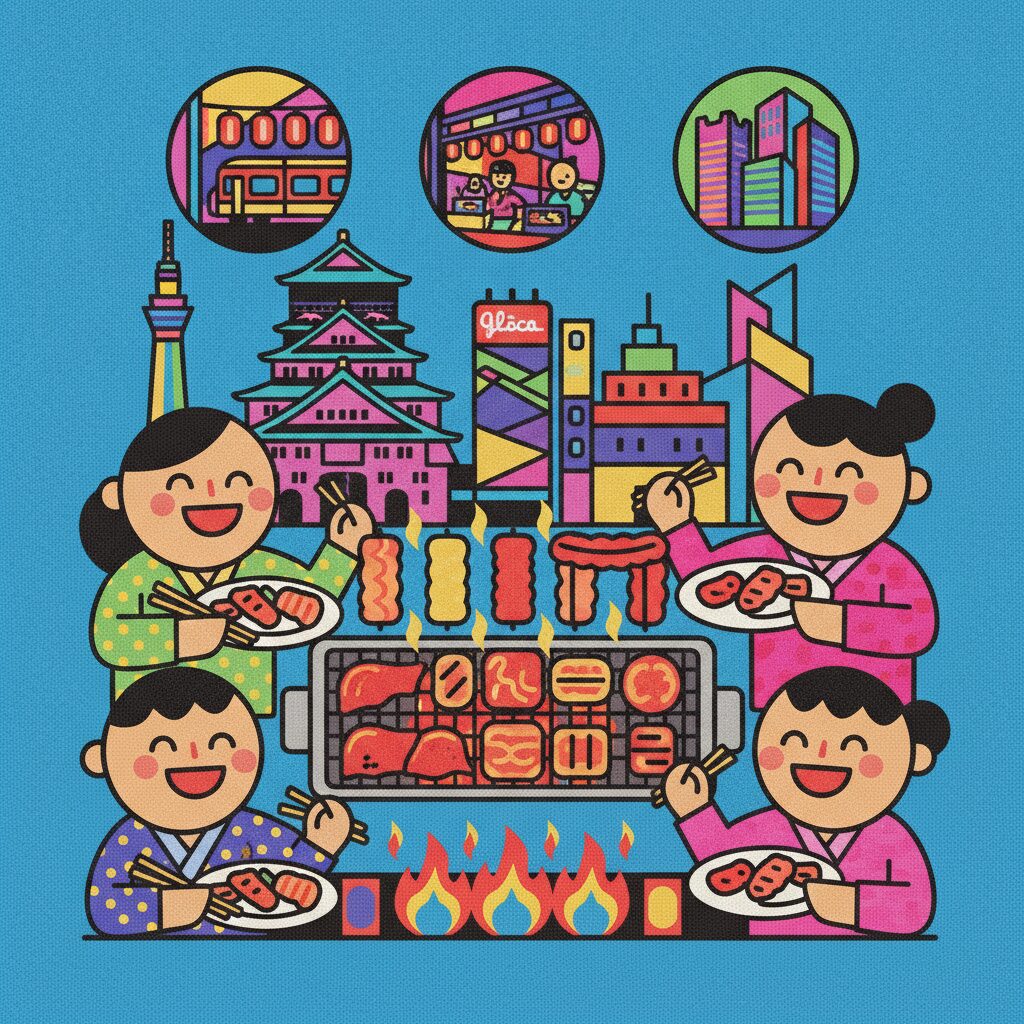
Osaka is far from uniform. The city is a mosaic of unique neighborhoods, each with its own vibe, unwritten rules, and style of serving food. Where you decide to eat horumon will greatly influence how you experience the city.
Tsuruhashi: The Smoky Yakiniku Capital
If there is a sacred place for grilled meat in Japan, it is Tsuruhashi. Situated on the eastern side of the JR Osaka Loop Line, this neighborhood hosts Osaka’s largest Koreatown. The ties between Korean immigrants and the rise of horumon-yaki are embedded in the very architecture here.
As soon as the train doors open at Tsuruhashi Station, the aroma of barbecue fills the carriage. The streets immediately around the station form a dense, narrow labyrinth of tiny eateries. Smoke billows from doorways, coating lanterns and signs with a thin layer of grease. Walking through Tsuruhashi at dinnertime is a hectic sensory overload of shouting vendors, clinking glasses, and sizzling fat. This is the place to go for the most authentic, historically rich horumon experience. The energy here is unapologetically raw.
Nishinari: Deep Osaka Street Food Vibes
For those seeking the rawest, most unvarnished glimpse of everyday life in Osaka, venture south to Nishinari. Once a day-laborer district known as Kamagasaki, Nishinari is gritty, retro, and completely untouched by tourist gloss. It is a neighborhood that confronts you with the reality of the working class.
In Nishinari, horumon is often not enjoyed at a table with a charcoal grill but served at open-air standing bars (tachinomi) right off a large, flat iron teppan. Here, horumon is genuine street food. You stand shoulder to shoulder with older locals who have been day-drinking since noon. You order a cheap beer, and the master ladles a heap of perfectly charred, miso-coated offal onto a small plate before you. It’s incredibly affordable, intensely flavorful, and offers a level of human connection and raw Osaka atmosphere you won’t find in the city’s commercial centers.
Kitashinchi & Namba: Accessible and Lively
If you want something more accessible yet still crave Osaka’s energetic chaos, Namba is the place. The back alleys behind Dotonbori and near Hozenji Yokocho are filled with lively, noisy horumon spots catering to young people, office workers, and expats. It’s loud, approachable, and highly social.
At the opposite end is Kitashinchi, located north near Osaka Station. Kitashinchi has long been Osaka’s upscale entertainment and geisha district, packed with exclusive hostess clubs and Michelin-starred sushi bars. Yet even here, hidden in narrow alleys between luxury buildings, you will find exceptionally refined horumon restaurants. These establishments elevate the humble working-class soul food by sourcing A5 Wagyu organs and serving them in sleek, dimly lit spaces. They perfectly embody Osaka’s culinary duality.
Highly Rated Horumon-yaki Restaurants to Try
While wandering and choosing a place based on the aroma is a valid approach, having a few specific destinations in mind can ease the initial nervousness of trying something new.
Horumon Yaki Okada (Kitashinchi)
Nestled in the upscale maze of Kitashinchi, Okada is an institution that perfectly blends authentic local flavors with approachable comfort. Despite its prime location in a high-end district, the atmosphere remains very down-to-earth. The staff cater to a diverse clientele, from affluent businessmen to curious expats. They are renowned for their exceptionally fresh cuts, ensuring the offal has no unpleasant aftertaste. Their mino is sliced with remarkable precision, and their house-made tare achieves the perfect sweet-savory balance. It is the ideal spot for a cautious beginner seeking top-quality food in a lively yet manageable setting.
Sora Tsuruhashi Honten (Tsuruhashi)
No discussion of Osaka horumon is complete without mentioning Sora. Situated in the heart of the Tsuruhashi smoke maze, this restaurant is legendary. There is almost always a queue outside, no matter the day of the week. The interior is cramped, loud, and perpetually filled with a thick haze of mouthwatering smoke. Sora is famous for its extensive menu of rare cuts and its closely guarded secret sauce recipe. The staff hustle through the narrow aisles, shouting orders over the noise of the exhaust fans. Dining at Sora is more than a meal; it’s an experience that makes you embrace the noise, the chaos, and the vibrant life of the city.
Authentic Street Stalls in Nishinari
Unlike Kitashinchi or Tsuruhashi, the best spots in Nishinari often lack an English web presence or even an official name. They’re simply stalls built into the sides of aging buildings near Dobutsuen-mae Station or Haginochaya. You look for places where men stand outside, holding cans of beer, gathered around a sloping iron griddle. Places like Horumon Tochan or various unnamed teppan stands serve small portions of mixed organs fried with green onions and a heavy garlic sauce for just a few hundred yen. There are no reservations, no English menus, and no pretense. You point, pay with coins, and eat while leaning against a counter, fully immersed in the authentic reality of the neighborhood.
Essential Tips for Foreign Travelers Dining at Horumon Spots
Whether you are a new resident settling into your apartment or a traveler passing through, dining at a local horumon joint calls for a specific mindset and some practical preparation.
First, you need to accept the reality of the smoke. Exhaust fans in these older restaurants are often more decorative than functional. You will get smoked out. Avoid wearing your favorite sweater. Avoid dry-clean-only fabrics. Wear clothes that you can easily toss into the washing machine when you get home. Many restaurants will provide a large plastic garbage bag when you sit down; this is not for your trash. Instead, place your jacket and bag inside it and tie it shut to protect them from absorbing the smell of atomized beef fat.
Second, let go of your fear of looking foolish. Foreigners often freeze up because they don’t know the language or worry about ordering the “wrong” organ. The charm of Osaka people is that they appreciate the effort. If you walk into a smoky joint in Tsuruhashi, smile, and say “Osusume onegaishimasu” (Your recommendations, please), the staff will take care of you. They want you to enjoy their food. They will bring you the best cuts, and might even reach over to flip the meat for you if they see you struggling.
Finally, embrace the mess. Dining in Tokyo is often a solitary, refined experience with hushed tones. Horumon in Osaka is a contact sport. Your table will get sticky. You will drop sauce on your shirt. The table next to you will be laughing loudly. This is the whole point. Horumon-yaki is not just about nourishing the body without wasting resources; it’s about breaking down barriers between people. When you sit in the smoke, share a grill, and chew on the history of the city, you stop being an outsider observing Osaka and finally become a part of it.