
Welcome to the real Osaka. Forget the neon glare of Dotonbori for a moment. Forget the glossy travel brochures pointing you toward crowded bridges, towering observation decks, and pristine castle grounds. If you want to know how this city truly breathes, how it wakes up in the morning, and how its people connect on a fundamental level, you have to step away from the polished main avenues. You have to step under the massive glass canopies of the Shotengai. These covered shopping arcades are the literal and metaphorical living rooms of the city. As an expat who spends my days seeking out both stylish corners and raw, authentic local life, I can tell you that the Shotengai is where the true, unfiltered pulse of Osaka is found. It is a world of sharp banter, sensory overload, and profound community connection that you will simply not find anywhere else in Japan.
Many foreigners moving to Japan imagine a life of serene temples or ultra-modern, silent efficiency. They picture the quiet, orderly streets of Tokyo, where interaction is polite, distant, and carefully measured. But Osaka operates on a completely different frequency. This is a city of friction, of joyful collision, of shared spaces and loud greetings. To understand the Osakan mindset, you have to understand the spaces they inhabit daily. The Shotengai is not just a place to buy carrots and socks. It is a social lifeline. It is where news is shared, where children are watched over by a collective of neighborhood aunties, and where the rhythm of the seasons is measured by the changing displays in the greengrocer’s stall. In these arcades, you are not an anonymous consumer. You are a participant in a sprawling, chaotic, and deeply affectionate community. Let me walk you through the alleys and arcades that define our daily existence here in the Kansai region, so you can see exactly why this city captures the hearts of those who choose to call it home.
The Heartbeat of Osaka: Why Shotengai Are Essential to Daily Life
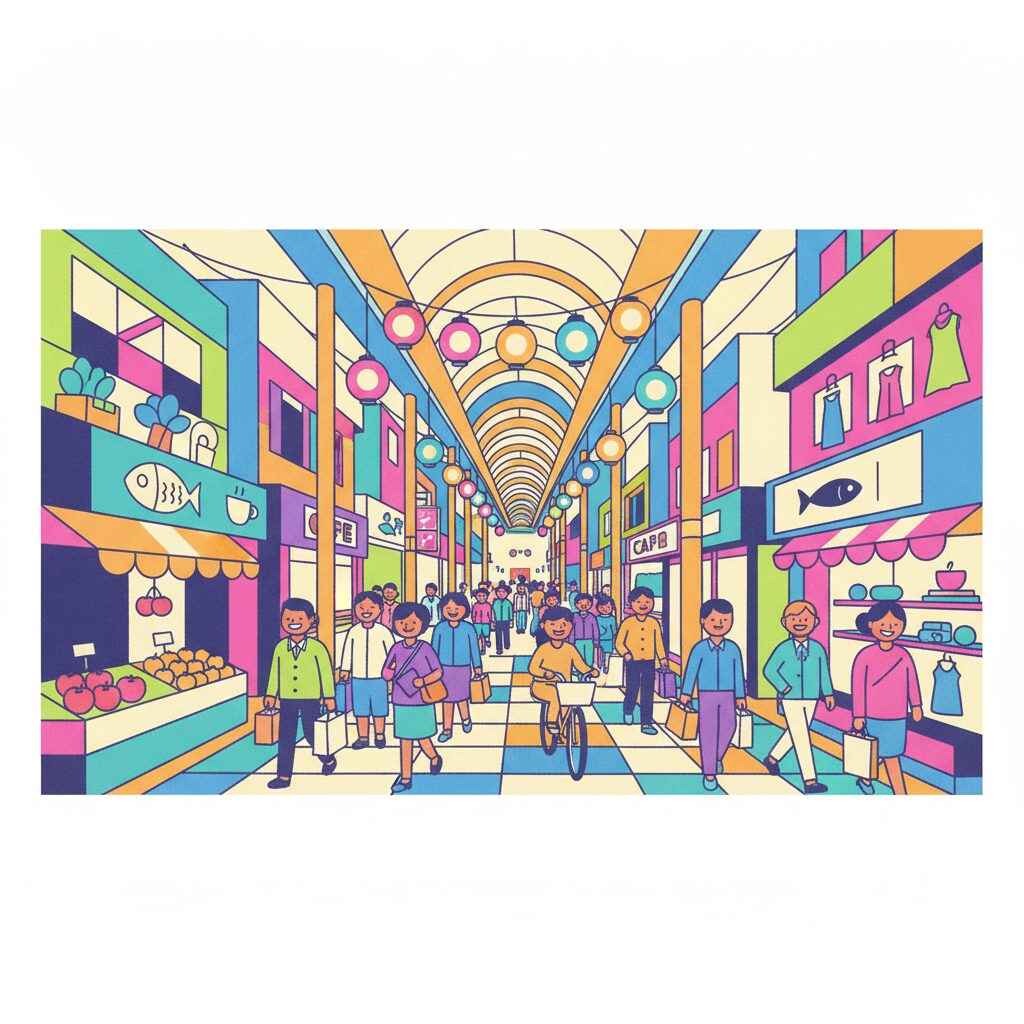
To truly understand Osaka, you first need to recognize how the physical design of the Shotengai influences the social behavior of its people. These are long, pedestrian-only streets covered by tall, arched roofs made of glass or reinforced plastic. They extend for blocks, sometimes kilometers, protecting the neighborhood from the intense heat of the Japanese summer and sudden downpours during the rainy season. But this architectural choice does more than shield shoppers from the weather. It creates a vast, shared indoor-outdoor space that traps sound. The voices of merchants, the clatter of bicycle kickstands, the hum of fluorescent lights, and the infectious laughter of locals all echo under the canopy, forming a symphony of daily life.
In Tokyo, people retreat to high-rise apartments and shop in quiet, sterile supermarkets where vegetables are perfectly wrapped in cellophane and cashiers speak in robotic, rehearsed politeness. You could live in Tokyo for a decade without ever learning the name of the person who sells you your dinner. In Osaka, the Shotengai enforces closeness. You cannot disappear into the crowd here. You make eye contact, dodge out of the way of speeding bicycles, and exchange a nod or apology. The architecture cultivates community. It acts as a natural neighborhood watch. Shopkeepers stand outside their stores, arranging their goods, but also observing the street. They know which families belong where. They notice if an elderly neighbor hasn’t stopped by to buy her daily tofu in several days. This is not superficial friendliness born from customer service training; it is a deeply ingrained cultural survival mechanism, a legacy of Osaka’s history as a merchant city where human connection was the currency of trade.
The Osaka mindset is famously captured by two concepts: ‘Omoroi’ and ‘Nanbo’. Omoroi means interesting, funny, or entertaining. If something isn’t omoroi, it’s hardly worth doing. Merchants in the Shotengai infuse their daily interactions with humor, turning a simple purchase into a brief comedy act. Nanbo roughly translates to ‘how much?’, but it expresses a deeper pragmatism. Osakans value a good deal not out of stinginess, but because of a respect for the true worth of things. When you shop in the local arcade, you step into an arena ruled by these two concepts. The interactions are fast, funny, and deeply practical. For a foreigner trying to fit in, understanding this dynamic is key to unlocking the city. You’re not merely buying groceries; you’re taking part in a daily social ritual that has supported this city for centuries.
Best Shotengai in Osaka to Experience Authentic Local Life
While tourists swarm the neon-lit bridges of Minami, locals know that the true charm lies within the residential wards. Each neighborhood boasts its own arcade, but a select few stand out as exemplary showcases of local culture. These aren’t souvenir shops; they are places to witness the genuine, vibrant rhythm of daily life in western Japan.
Senbayashi Shotengai: The Ultimate Grocery Shopping Hub
Nestled in Asahi Ward, northeast of the city center, Senbayashi Shotengai is a powerhouse of local trade. Stretching nearly seven hundred meters, this arcade is renowned among residents for its fierce price battles and bustling atmosphere. This isn’t a spot for calm, leisurely browsing. It’s the pinnacle of grocery shopping, where the iconic Osaka Obachan rules. These formidable middle-aged or elderly women are known for their bold, often leopard-print or bright floral attire, sun visors, and their relentless quest for bargains. Here in Senbayashi, you’ll see them in their natural domain.
The sheer quantity of goods overflowing onto the streets is astonishing. Greengrocers proudly display towering stacks of seasonal fruits, loudly advertising their origins and appealing prices to passersby. Clothing stores offer racks of vibrant, affordable outfits tailored to local tastes. The air is rich with the aroma of roasted green tea from traditional vendors mingling with the sweet scent of long-standing crepe shops beloved by generations of schoolchildren. Intense competition surrounds the quest for inexpensive daikon radishes or perfectly marbled pork cuts. Bicycles effortlessly navigate the crowds, riders balancing shopping bags on their handlebars. To grasp the economic realities and the lively, unpretentious spirit of Osaka’s working class, spending an afternoon wandering the lively aisles of Senbayashi is essential.
Komagawa Shotengai: Retro Charm and Everyday Street Food
Down in Higashisumiyoshi Ward in the city’s southern part lies Komagawa Shotengai. If Senbayashi embodies fierce commerce, Komagawa reflects retro charm and a slower, nostalgic lifestyle. Shaped in a unique cross form, this arcade transports visitors back to the Showa era while remaining vibrant and relevant to today’s families. It exudes a relaxed atmosphere, evoking a self-contained village thriving within the vast metropolis.
Komagawa is a haven for everyday street food. This isn’t about overpriced, touristy treats found downtown; it’s all about daily staples. The scent of frying oil is ever-present. Here, butcher shops with decades of history sell their famous croquettes—golden brown, packed with seasoned minced meat and mashed potatoes—the perfect after-school snack or pre-dinner bite. Purchased piping hot in a small paper bag, they’re often enjoyed standing near a local park. You’ll spot elderly neighbors mingling with young families, buying freshly made tofu floating in cold water or selecting pickled plums from large wooden barrels. Komagawa also hosts lively summer festivals, where the arcade is adorned with handmade lanterns and the community dons yukata, underscoring the Shotengai’s role as the neighborhood’s cultural heartbeat, not just a shopping district.
Tenjinbashisuji Shotengai: Finding Local Vibes in the Longest Arcade
No review of Osaka’s arcades is complete without mentioning Tenjinbashisuji Shotengai. Stretching an impressive 2.6 kilometers across three subway stations, it claims the title of Japan’s longest shopping arcade. Walking its entire length is an urban trek, offering a fascinating glimpse into the city’s diverse socioeconomic areas. Its vast scale presents a comprehensive cross-section of Osaka life.
The northern and southern ends tend to cater more to business and tourist crowds, featuring modern drugstores and chain cafes. But diving into the middle sections reveals an intense, pure local atmosphere. Storefronts narrow; specialized knife sharpeners work quietly alongside sprawling, chaotic discount clothing bins. Ancient pottery shops laden with delicate ceramics sit beside tiny, smoke-filled izakayas spilling into narrow side streets off the main arcade. What makes Tenjinbashisuji special is its endless variety—a place where bankers on lunch break brush shoulders with elderly locals buying their daily fish. It embodies the city’s pulsating heart within a single, unbroken corridor of commerce.
A Day in the Life: How Locals Actually Use the Shotengai
To truly grasp the essence of the Shotengai, you must look beyond seeing it as a mere static place. Instead, view it as a living entity that shifts its mood, demographics, and purpose as the sun journeys across the sky. The arcade is intimately connected to the daily lives of the residents around it. If you plan to move to Osaka, you will soon find this rhythm becoming your own.
Morning: Fresh Produce, Fishmongers, and Bakery Runs
The day at the Shotengai starts early, typically between seven and eight in the morning. The clatter of rolling metal shutters rising serves as the city’s alarm clock. The air is cool, carrying a faint scent of damp concrete, as shopkeepers sprinkle water onto the pavement in a traditional cooling and purification practice called Uchimizu. This period is for preparation and fresh deliveries. The arcade is mostly free of casual shoppers, instead filled with dedicated early risers and merchants.
The fishmongers are the loudest and most vigorous. They haul large blocks of ice, slapping down whole mackerel, gleaming tuna, and seasonal catches onto angled metal displays. Their hands move with practiced, precise skill as they fillet fish for the day’s sales. Across the way, greengrocers arrange seasonal vegetables with geometric precision, marking bright, bold price tags with thick black markers. The colors are striking: deep purple eggplants, bright green onions, and the vivid red of seasonal strawberries. Blended into this morning symphony is the warm, buttery aroma of the local bakery. Locals on bicycles, their front baskets empty and ready, stop to pick up freshly baked melon pan, rich shokupan (milk bread), and savory curry bread for breakfast. The morning at the arcade is brisk, purposeful, and deeply grounding—a reminder that before a city can thrive, it must be nourished.
Afternoon: Catching Up at a Retro Kissaten (Coffee Shop)
At two in the afternoon, the frenetic morning energy gives way to a comfortable, lazy calm. Children are at school, working adults are in offices, and the Shotengai belongs to the seniors and leisurely walkers. This is the time of the Kissaten. For foreigners, understanding Kissaten culture is essential. This is not a modern, brightly lit chain cafe. A Kissaten is a retro, Showa-era coffee house—a sanctuary of dark wood, velvet chairs, amber lighting, and quiet dignity.
When you push open the heavy glass door, a small brass bell chimes. The shop owner, often an elderly gentleman in a crisp white shirt and bow tie, stands behind a polished wooden counter, carefully brewing siphon coffee. The water bubbles upwards through the glass chambers in a mesmerizing, slow-motion ritual. The menu is simple: strong, dark coffee, thick slices of buttered toast, and perhaps a classic egg sandwich. This is where the local obachans gather to gossip, retired men spend hours reading newspapers, and the neighborhood takes a breath. It is a refuge from the afternoon heat or winter chill. The Kissaten is Osaka’s original social network, a place where the community slows down and shares quiet moments together.
Evening: The Rush for Osouzai (Deli Foods) and Supermarket Bargains
As the sun sets and the fluorescent canopy lights glow brightly against the darkening sky, the Shotengai transforms dramatically. Between five and seven in the evening, the arcade bursts with energy. Bicycles flood back in swarms. Commuters step off trains and pour into the shopping street. This is the golden hour of the Osouzai rush. Osouzai—prepared deli foods and side dishes—are the lifeblood of Osaka’s busy working class.
Modern life is exhausting, and preparing a full meal from scratch each night is a luxury many parents cannot afford. The Shotengai offers a solution. Small shops dedicate their counters to large trays of freshly made dishes: golden tempura, perfectly rolled dashimaki tamago (savory egg omelet), rich potato salad, skewered yakitori glazed with sweet soy, and simmered root vegetables. Shoppers point and order by the gram, assembling a varied and delicious family dinner from small plastic containers.
At the same time, an exciting spectacle occurs in the local supermarkets along the arcade: the discount sticker rush. As closing time nears, store clerks emerge with rolls of yellow and red stickers, marking down prices on bento boxes, sashimi, and prepared foods by twenty, then thirty, then fifty percent. Among shoppers, an unspoken camaraderie forms, a tactical dance as they hover near shelves, waiting for a prime cut of fish to be discounted. This daily ritual is both economic survival and quiet victory. By eight o’clock, the food is sold out, shutters begin to rattle down once again, and the arcade falls asleep, ready to repeat the cycle come morning.
Unspoken Rules for Exploring Local Shopping Arcades Like a Pro
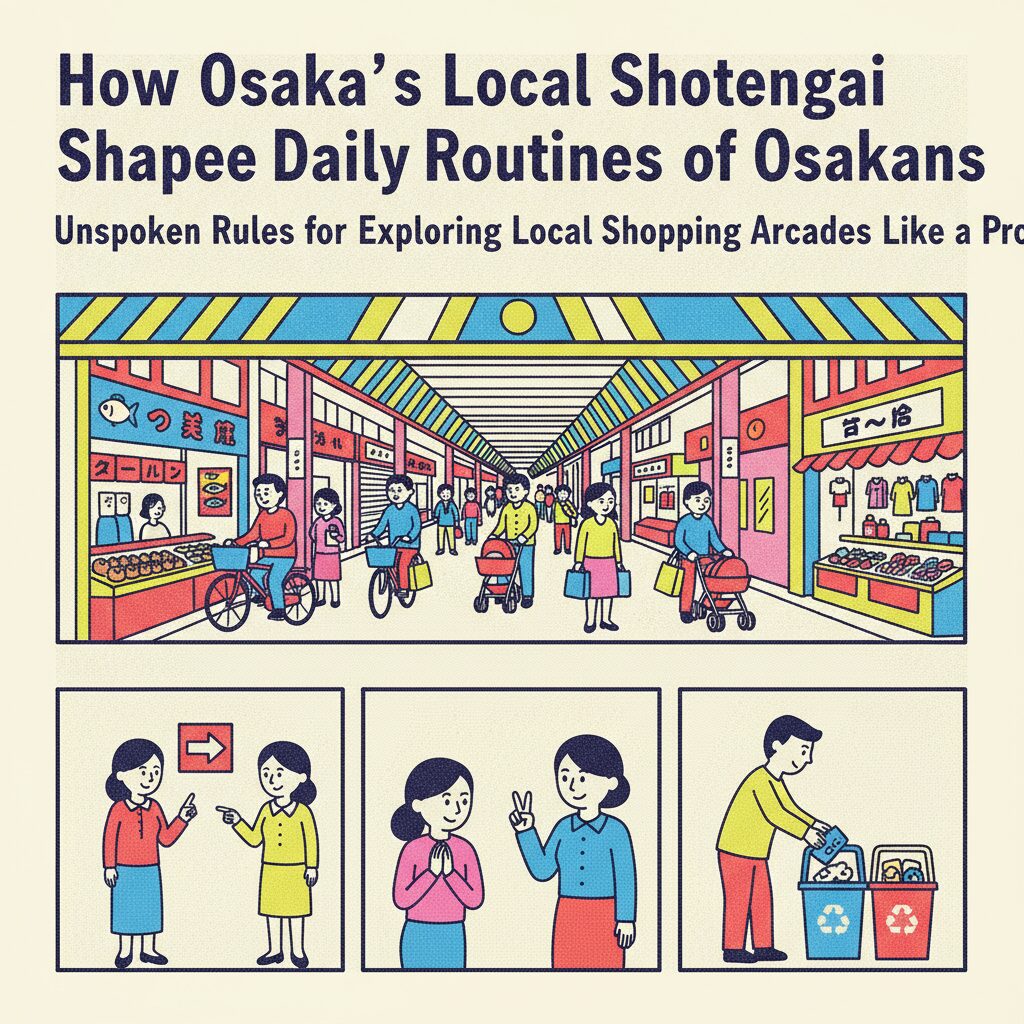
To truly immerse yourself in the Shotengai experience, you must shift from being just an observer to a respectful participant. The locals are exceptionally welcoming, but this is their home, workplace, and daily path. Moving through the arcade requires knowing a few essential unspoken rules.
The first is spatial awareness. Avoid obstructing the flow of traffic. The Shotengai serves as a key route for bicycles. Osakans navigate their heavy, basket-filled bikes with the speed and skill of professional racers. If you stop suddenly in the middle of the aisle to check your phone or point at something, you risk causing a multi-bicycle collision. Always walk along the edges, and if you need to pause, stay close to a storefront.
Next is the nuanced art of transactions. Indeed, banter is more welcomed in Osaka than in Tokyo. However, you must respect the merchant’s time. If there’s a line of grandmothers waiting to buy dinner, don’t hold up the queue by practicing your Japanese for ten minutes. Be quick, polite, and, if possible, use the local dialect. A simple ‘Maido’ (hello/thanks for your business) when entering or a cheerful ‘Ookini’ (thank you) when receiving your change will instantly brighten the interaction and earn you a warm smile.
Lastly, and perhaps most importantly, is the guideline for photography. In today’s social media era, the colorful, retro vibe of the Shotengai might seem like your personal photo studio. But keep in mind, you’re photographing people going about their real lives. Don’t thrust cameras into the faces of fishmongers or block a storefront for ten minutes to get the perfect selfie without buying anything. These are not zoo exhibits; they’re places of business and livelihood. If a shop looks appealing and you want to take a photo, the polite approach is to purchase something—a piece of fruit, croquette, or drink—and then ask permission with a simple gesture or a quick ‘Shashin, ii desu ka?’ (Is a photo okay?). Respect is a universal currency, and spending it generously will open the city’s arms to you.
Bringing a Piece of Osaka’s Daily Life Home
Living in Osaka, or even just visiting with the aim of understanding its essence, requires a change in perspective. You must release the desire for flawless, quiet perfection. You need to embrace the noise, the clutter, the smell of frying oil, and the vibrant, chaotic interaction of people sharing space. The Shotengai serves as the ultimate classroom for this lesson.
When you finally take the leap and purchase a bag of incredibly cheap, misshapen strawberries from a shouting greengrocer, when you skillfully dodge a speeding bicycle and share a laugh with the rider, when you sit in the amber glow of a Kissaten and listen to the murmur of the local dialect, you become more than an outsider looking in. You become woven into the fabric of the city. Osaka is not a city to be passively admired from afar. It is a city that calls for you to roll up your sleeves, step into the crowded aisle, and engage in the loud, messy, and wonderful business of living. Embrace these lessons, follow these paths, and let the local arcades reveal what it truly means to be an Osakan.