Step off the plane. Hit the convenience store. Grab an egg sandwich. Marvel at the sheer efficiency of it all. We completely understand the impulse. The Japanese konbini is a modern miracle of logistics and comfort. It is perfectly curated, beautifully lit, and always there when you need it. But if you are planning to build a life in Osaka, or if you simply want to crack the code of how this loud, proud, and infinitely practical city actually operates, you need to look far past the glowing green and red signs of your nearest convenience store.
The konbini, for all its glory, is essentially a tax on convenience. Locals know this. Osaka people, perhaps more than anyone else in Japan, absolutely know this. To truly understand the daily rhythm of this city, you have to step into the local supermarket. The supermarket is where the actual life happens. It is where you see the neighborhood dynamics unfold, where you understand local diets, and where you witness the unspoken rules of Osaka society in action. It is the beating heart of a city famous for its obsession with food and value. Welcome to the real Osaka.
Why You Should Visit Local Supermarkets in Osaka
A fundamental difference in mindset exists between Tokyo and Osaka, and this contrast is most evident in the grocery aisle. Tokyo is a city focused on presentation—polished, quiet, and dedicated to maintaining appearances. If a Tokyo resident searches for a discount, they typically do so discreetly, avoiding any hint of frugality. Tokyo supermarkets often mirror this with subdued lighting, immaculate displays, and an atmosphere that encourages calm reflection.
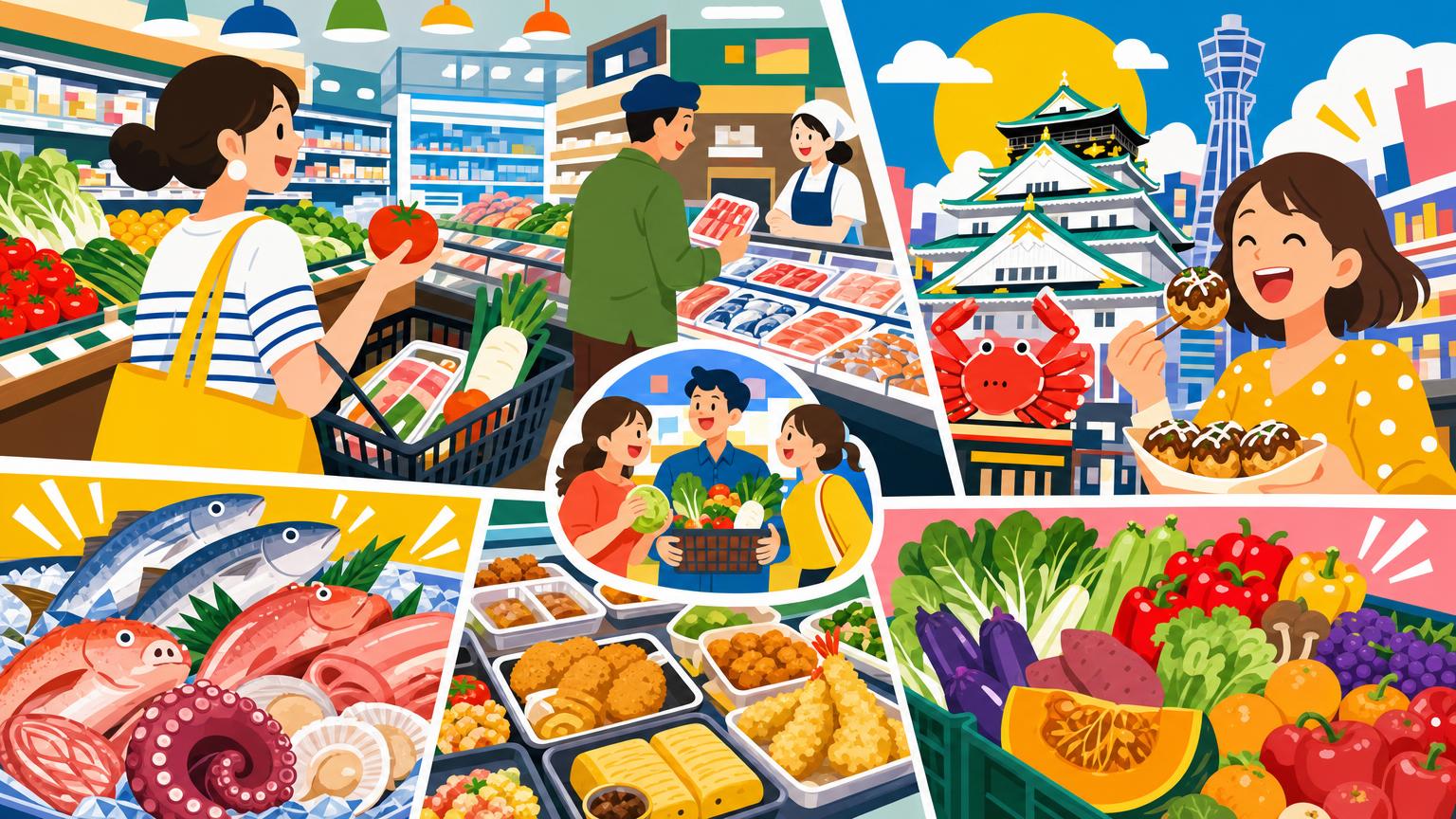
Osaka, on the other hand, is a completely different story. It is the city of merchants and the capital of kuidaore, a phrase that roughly means eating yourself into bankruptcy. However, the key to kuidaore is that Osaka locals have no desire to actually go bankrupt. Instead, they strive to get the absolute maximum amount of delicious food for the absolute minimum amount of money. Frugality in Osaka is not shameful; it’s a competitive sport and a badge of great pride. If an Osaka resident finds a large cabbage for fifty yen less than usual, they won’t keep it a secret—they’ll share it with their neighbors and boast about it at the local bar.
This intense demand for value shapes the local supermarkets. Stores in Osaka are louder, brighter, and much more aggressive with their sales tactics. You’ll hear store managers announcing flash sales over crackling microphones and see huge, handwritten signs practically begging you to buy seasonal fish. The energy is electric. By shopping at these local markets, you’re not just saving money on daily expenses—you’re participating in the central cultural activity of the Kansai region. You’re learning to see the world through the eyes of an Osaka merchant, where quality and price must align in perfect, unmistakable balance.
Foreigners often misinterpret this straightforwardness. They may find bright neon lights and aggressive discount stickers chaotic compared to the serene image of Japan portrayed in guidebooks. Yet this chaos is deeply authentic and honest. The supermarket strips away polite façades and reveals what the people of Osaka truly care about: feeding their families well, managing their budgets, and doing it all with a strong sense of communal drive.
Top Local Supermarket Chains in Osaka You Need to Know
To navigate daily life here, you need to understand the landscape of grocery chains. Each brand fulfills a specific role, appeals to a different demographic, and has its own unique atmosphere. Knowing which stores to choose will shape your experience living in the city.
Super Tamade: The Iconic, Neon-Lit Budget King
If Osaka had a physical mascot aside from a giant mechanical crab, it would be Super Tamade. These stores are impossible to miss. They resemble casinos and pachinko parlors from the 1980s. Their exteriors are covered in dazzling yellow and red neon lights that remain lit around the clock. First-time visitors often pause on the sidewalk, bewildered, unsure if they are about to enter a grocery store or a retro gaming arcade.
Super Tamade is the undisputed champion of budget living in Osaka. It’s a local chain that completely dismisses subtle aesthetics in favor of rock-bottom prices. Inside, the aisles are narrow, the lighting intense, and upbeat classical music often blares from the ceiling speakers. But just look at the price tags: vegetables, instant noodles, massive bottles of tea—all priced to sell quickly. They frequently hold legendary promotions where certain staple items cost exactly one yen, provided you spend a minimum amount on other groceries.
Shopping at Super Tamade is a rite of passage for students, budget-conscious expats, and practical locals. It perfectly reflects the Osaka mindset: why pay for fancy interior design when you can just pay less for your dinner? The bento boxes are incredibly cheap, loaded with fried foods and carbs, designed to fuel the working class. It’s gritty, bright, and unapologetically Osaka.
Life and Life Central Square: Great Quality and Amazing Bento
While Super Tamade attracts extreme budget hunters, Life serves as the reliable foundation of middle-class Osaka living. Recognizable by its welcoming four-leaf clover logo, Life is where families stock up for the week. The stores are spacious, well-lit, highly organized, and exude a sense of dependability.
What truly distinguishes Life in the daily routine of Osaka residents is the quality of its fresh produce and the outstanding deli section. In Japanese supermarkets, the ready-to-eat section is called souzai, and Life takes its souzai very seriously. If you’re too tired to cook after a long day of work or exploring, Life provides a culinary safety net that rivals many casual restaurants. You’ll find freshly fried tempura, intricately rolled sushi that tastes better than it has any right to, comforting potato croquettes, and an extensive variety of bento boxes.
In slightly more affluent neighborhoods or near major commercial areas, you might come across Life Central Square, their upscale version. It feels more like a premium food hall, offering organic vegetables, imported cheeses, a wide selection of wines, and even higher-end bento boxes featuring premium wagyu beef or thick cuts of salmon. Still, even in its Central Square form, it retains the Osaka spirit—it’s premium, but never feels like it’s trying to rip you off.
Gyomu Super: The Best Place for Bulk Buying and Souvenirs
Gyomu Super literally means business supermarket, but no commercial license is required to shop here. Look for the distinctive green and white sign. For foreigners settling in Osaka, Gyomu Super is an absolute lifeline. It operates on a philosophy of high volume and low overhead, meaning products are often displayed in their original cardboard shipping boxes rather than neatly arranged on shelves.
Here is where you pick up a two-kilogram bag of frozen chicken breast, a massive block of butter, or a gallon of soy sauce. Osaka’s diverse immigrant population has naturally shaped Gyomu Super to cater to various communities. It’s one of the best places in the city to find imported goods at affordable prices. You can reliably find halal meats, authentic Thai curry pastes, giant bags of tortillas, and European chocolates.
It’s also a secret weapon for souvenirs. Instead of buying beautifully wrapped, overpriced sweets at the airport, savvy travelers and locals heading home for holidays shop at Gyomu Super. There you’ll find family-sized bags of matcha snacks, large packets of regional dashi powder, and bulk rice crackers at a fraction of the cost. It’s practical, utilitarian shopping at its very best.
Kohyo: Convenient and Fresh Supermarkets Near Stations
Navigating Osaka’s daily commute calls for well-placed pit stops. Kohyo exists to serve the fast-paced modern commuter. Operated under the massive Aeon retail group, Kohyo stores are strategically located under train tracks, within station complexes, or right at subway exits.
Kohyo balances convenience with high-quality freshness. Its aisles are generally narrower than a suburban Life store, designed to accommodate office workers quickly grabbing dinner on their way home. The vibe is sleek, clean, and efficient. They specialize in single-serving fresh items. If you live alone in a small Osaka apartment, Kohyo is tailored for you. They sell pre-cut vegetables ready for stir-frying, small high-quality sashimi assortments, and perfectly portioned cuts of meat.
It lacks the wild neon chaos of Tamade, but provides the smooth, hassle-free experience commuters need while transferring trains at busy hubs. The staff are quick, self-checkout machines are streamlined, and the food quality is consistently high. It embodies the modern, efficient side of Osaka living.
Best Supermarkets by Major Tourist Areas
Osaka is a vast metropolis, and the atmosphere of the city shifts dramatically depending on which train station you are near. The supermarket landscape adjusts to these micro-cultures. Where you live or stay will shape your daily grocery-shopping experience.
Around Umeda and Osaka Station
Umeda is the expansive, high-rise maze of the north. It serves as the business district, a luxury shopping center, and a famously confusing network of underground malls. Living or staying around Umeda means navigating a space designed more for commerce and transit than for quiet residential life.
Finding a large, suburban-style grocery store right next to Osaka Station is nearly impossible. Instead, you’ll rely on the depachika, the basement food halls of luxury department stores like Hankyu and Hanshin. While these are impressive to behold, they aren’t intended for budget-friendly daily shopping. To find regular groceries, you’ll need to move a bit away from the immediate station area.
Just a short walk into the surrounding neighborhoods of Nakazaki-cho or Fukushima, you will discover mid-sized Kohyo branches and Life supermarkets tucked under overpasses or built into the ground floors of high-rise apartment buildings. The key in Umeda is timing. The supermarkets here cater to corporate workers, meaning the evening rush hour hits around six. For a more relaxed shopping experience, go mid-morning or late at night. The selection here leans heavily toward ready-to-eat meals and single portions, reflecting the high concentration of single professionals living in the nearby towers.
Around Namba, Shinsaibashi, and Dotonbori
Welcome to Minami, the south side of Osaka. This is where grit, neon, nightlife, and the city’s chaotic heart come alive. Namba and Dotonbori operate on a completely different schedule than the rest of the city. The energy is nonstop, fueled by tourists, nightlife workers, and the thriving merchant culture around Kuromon Market.
In this area, grocery stores match the intensity of the streets. This is prime Super Tamade territory. You’ll find massive, multi-story Tamade stores squeezed between karaoke bars and late-night ramen shops. These stores buzz with life even at two in the morning, serving izakaya chefs finishing their shifts, club-goers seeking inexpensive hydration, and local residents who prefer shopping when the streets finally quiet down.
Life also holds a strong presence here, usually a few blocks from the main tourist areas, serving dense residential pockets like Horie and Naniwa. Shopping in Namba demands situational awareness. The aisles are crowded, the pace brisk, and the locals don’t linger. You grab your basket, navigate the tight corners, and complete your shopping with purpose.
Around Shin-Osaka Station
Shin-Osaka acts as a transitional area, primarily because the Shinkansen tracks had to find a landing spot. It’s somewhat disconnected from the cultural hubs of both north and south. The population here is largely composed of business travelers, short-term corporate apartment renters, and families benefiting from slightly lower rents just across the river from Umeda.
The supermarkets in Shin-Osaka are practical and somewhat subdued. You will find large Life stores and spacious Central Square locations serving the growing residential community. Since this area has more physical space than Namba or Umeda, the stores are bigger, aisles wider, and the shopping experience much more relaxed.
If you stay here, you’ll notice the stores cater mostly to families and bulk shoppers. You’ll see more bicycles parked outside, more parents maneuvering carts with children, and an overall calmer atmosphere. It lacks the wild neon allure of the south but compensates with comfort and accessibility. It’s an ideal place for foreigners to learn the Japanese supermarket system without the pressure of crowded inner-city crowds.
Supermarkets for Specific Traveler Needs
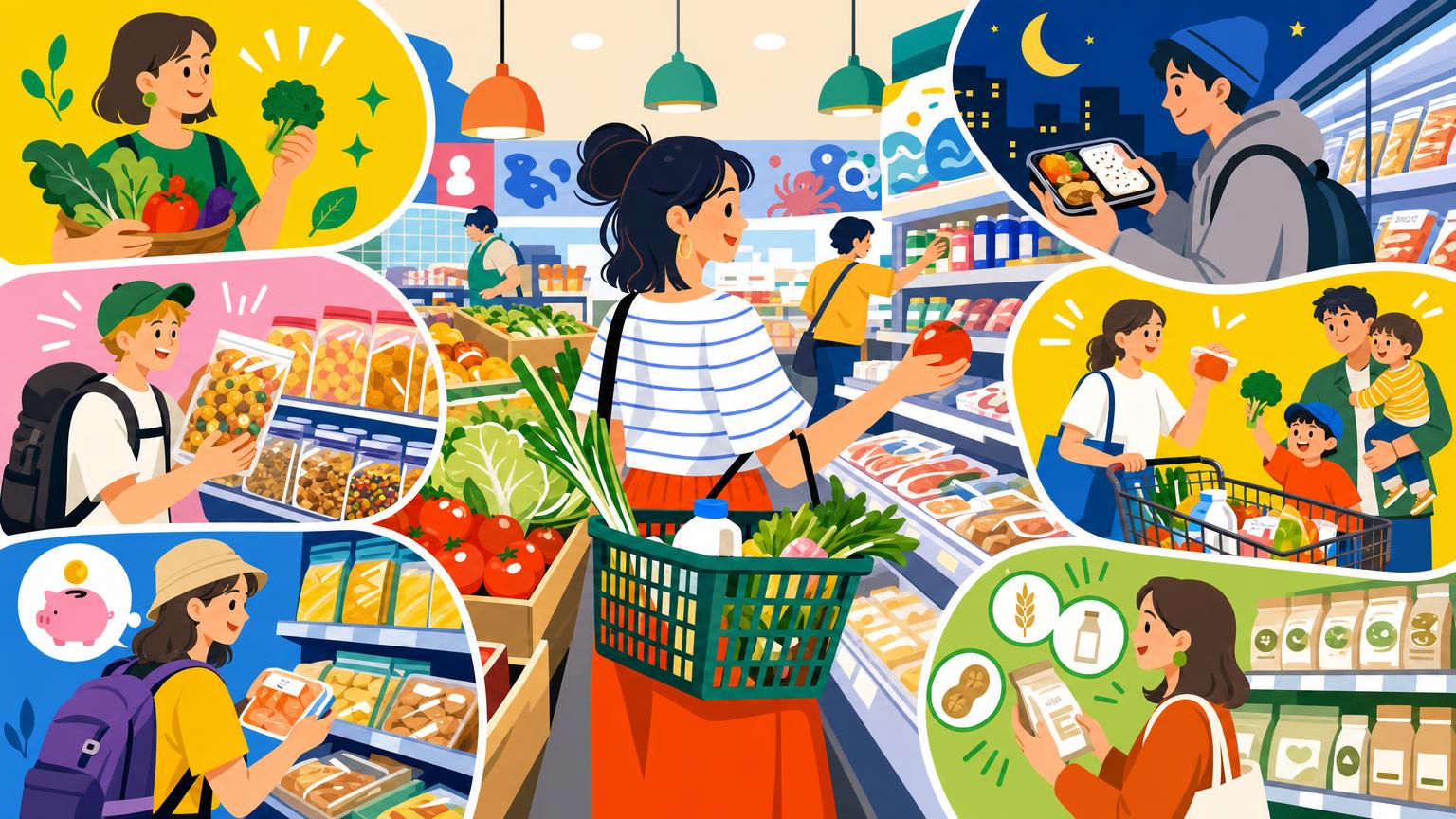
Daily life doesn’t always conform to a typical nine-to-five routine, especially in a vibrant city like Osaka. Your unique lifestyle needs will determine how and where you shop. Understanding the specific advantages of the local grocery scene can save you considerable time and frustration.
Round-the-Clock Shopping for Late-Night Cravings
Osaka boasts a thriving nighttime economy. Restaurants stay open late, shifts are often unpredictable, and the craving for a hearty meal doesn’t disappear once the clock strikes midnight. While convenience stores are the go-to for night owls, relying on them for substantial meals can quickly become costly.
This is where 24-hour supermarkets play a vital role in everyday life. Super Tamade is well-known for its nonstop operation, keeping the neon lights bright and music playing at all hours. Numerous Kohyo stores and some MaxValu branches also remain open throughout the night.
Shopping at three in the morning in Osaka offers a distinctive cultural experience. The stores are mostly quiet, aside from the hum of refrigeration and the focused activity of employees restocking shelves. The customers form an intriguing mix: taxi drivers taking a break, medical staff finishing their night shifts, and young people stopping by for late-night ice cream. Though the fresh deli sections are usually picked over by then, the instant ramen and frozen food aisles become lifesavers. Knowing which local supermarket never closes can give you a strong sense of security in the city.
Where to Buy the Cheapest Japanese Snacks for Souvenirs
If you live in Osaka, eventually you’ll have visitors or travel home yourself. In either case, the expectation of bringing back large quantities of Japanese snacks is inevitable. A common mistake is purchasing these snacks at the airport or tourist shops in Dotonbori, where prices are heavily inflated for attractive packaging.
The Osaka mindset emphasizes finding the best deal, even for gifts. Local supermarkets are the ideal solution. Gyomu Super stands out for sheer volume—you can buy giant bags of individually wrapped matcha chocolates, senbei rice crackers, and distinctive Japanese candies that look impressive to those back home but cost only a fraction of tourist prices.
Even standard supermarkets like Life or Kohyo have dedicated aisles for seasonal snacks. In autumn, these aisles brim with sweet potato and chestnut-flavored treats, while in spring they overflow with pink sakura-flavored goodies. Purchasing these seasonal, limited-edition items at regular grocery stores means you give your friends and family authentic, everyday Japanese treats instead of generic airport boxes. You save money, appear like a savvy local, and embrace the practical spirit of the city.
Essential Tips for Shopping at Japanese Supermarkets
Transitioning from shopping in your home country to shopping in Japan comes with a learning curve. The systems are highly organized, deeply unwritten, and strictly followed. To blend in and avoid frustrating cashiers or the people behind you in line, you need to master the unspoken rules of grocery shopping in Osaka.
Look for the Evening Discount Stickers Known as Hangaku
The hangaku sticker is the sacred symbol of the Osaka supermarket experience. Hangaku means half-price. In Japan, fresh food truly is fresh. Bento boxes, sushi platters, and bakery items are made daily. Whatever isn’t sold by the end of the day must be discarded. To prevent this waste, supermarkets start discounting these products as evening approaches.
Typically, around seven or eight in the evening, staff will come out from the back carrying a labeling gun. They methodically go through the deli and fish sections, placing stickers for ten, twenty, or thirty percent off. But the ultimate prize is the hangaku sticker, usually applied in the last hour before closing.
In Tokyo, people might casually browse, pretending they aren’t waiting for the sticker. In Osaka, the hunt is open and enthusiastic. Locals often follow the employee with the sticker gun. There’s an unspoken rule: you don’t snatch items from the worker’s hand. You wait for the sticker to be applied, step back, then claim your item. Snagging a premium sushi platter for half the price is considered a significant win. This daily micro-economy perfectly reflects the Osaka love of a good bargain. Knowing the exact timing of these sticker rounds at your local store is when you truly feel like a resident.
Bring Your Own Eco-Bag
In recent years, Japan has made a strong push to reduce plastic waste. By law, supermarkets now charge a small fee for plastic bags at checkout. Although the cost is minimal, usually around three to five yen, the cultural norm has shifted noticeably. Paying for a bag every time you shop is seen as slightly wasteful, and in a city that hates wasting money, bringing your own bag is now the standard.
You should invest in a sturdy, foldable eco-bag and carry it in your daily backpack or purse. When you reach the cashier, they’ll usually ask a quick question like, fukuro wa irimasu ka, which means “do you need a bag?” If you have your own, simply reply irimasen, meaning “no, I don’t need one.”
This brief exchange is key. It speeds up checkout and shows the cashier you understand the local routine. Also, carrying a branded eco-bag from a high-end store like Kinokuniya while shopping at a budget store like Tamade is a common, slightly ironic Osaka fashion statement—practical, environmentally conscious, and socially accepted.
Understanding the Checkout Process and Payment Options
The checkout routine in Japanese supermarkets is a finely tuned system designed to handle long lines with maximum efficiency. Hesitating or misunderstanding the flow will disrupt the rhythm and draw the silent, impatient glances of people waiting behind you.
When you approach the register, place your basket on the counter. The cashier will scan your items and transfer them into a second, empty basket of a different color. You do not bag your groceries at the register. To be clear, you never pack your groceries while standing in front of the cashier—this is a common mistake for foreigners.
Once all items are scanned, you pay. Payment methods have evolved considerably. Many registers are now semi-automated. The cashier scans your goods, but you’ll be directed to a glowing machine facing you to complete the payment. You can insert cash, tap your IC card like ICOCA, or scan your smartphone payment app such as PayPay.
After paying, take your full, secondary basket to a designated bagging area away from the registers, called the sakkadai. These areas have long counters with wet towels to clean your fingers, small plastic wrap rolls for wrapping items like meat or tofu, and plenty of space to pack your eco-bag at your own pace. You pack your bag carefully, wipe down your basket handle with the provided cloth, and neatly stack the empty basket with the others. It’s a system built on mutual respect for everyone’s time.
Eat Like a Local in Japan’s Kitchen
Osaka earned its historical nickname, the kitchen of the nation, during the Edo period when it served as the central hub for rice and trading. Today, that title remains true, but it’s no longer just about the massive merchant ships in the harbor. The real kitchen of modern Osaka is the local supermarket.
Living in this city means embracing its food culture from the ground up. It’s not just about eating takoyaki on the street or booking a table at a famous okonomiyaki restaurant. It’s about knowing the difference between the affordable, dependable comfort of Super Tamade and the fresh, high-quality offerings of Life. It’s about savoring the joy of grabbing a half-price bento box after a long day at work. It’s about engaging in the unspoken, efficient dance of the checkout line.
When you stop seeing the supermarket as simply a place to buy calories and start recognizing it as the central stage of daily Osaka culture, the city reveals itself. You shift from being a tourist looking for convenience to a local seeking value. You begin to appreciate the blunt, loud, and deeply practical spirit of the Kansai people. Step away from the konbini, grab a basket, listen for the energetic shouts of the store manager, and dive into the vibrant, chaotic reality of everyday life in Japan’s most dynamic city.