Osaka is loud. It is vibrant, unapologetic, and pulses with a chaotic energy that you simply do not find in Tokyo. Tokyo is a city of polite murmurs and organized queues, a metropolis that feels curated and meticulously planned. Osaka, on the other hand, is a city of boisterous laughter, sizzling street food, and neon lights reflecting off the murky waters of the Dotonbori canal. It is a concrete jungle built on commerce, pragmatism, and human connection. But what happens when the people of Osaka need a break? Where does the famously fast-talking, fast-walking Kansai local go to find a moment of peace without abandoning their roots? They go to Nose.
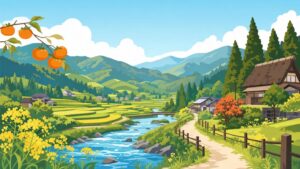
Nestled in the northernmost tip of Osaka Prefecture, the town of Nose feels like a completely different universe from the towering skyscrapers of Umeda or the bustling shopping arcades of Namba. It is a place of rolling green hills, traditional thatched-roof farmhouses, and terraced rice paddies. For a non-Japanese resident trying to make sense of life in the Kansai region, visiting Nose is essential. It reveals a softer, slower side of the local mentality. As someone who spends her week analyzing anime storyboards and drafting scripts in a cramped city apartment, the sensory overload of Osaka can sometimes feel heavy. When my eyes burn from screens and the perpetual hum of traffic becomes too much, I do exactly what the locals do. I pack a small bag, leave the neon behind, and head for the mountains.
Understanding Nose is key to understanding the full spectrum of the Osaka mindset. Foreigners often mischaracterize Osaka as just a gritty, urban playground for street food lovers. They assume locals here have no connection to nature, unlike those living near the Japanese Alps or the pristine shores of Okinawa. But Osaka people deeply value their downtime. They just approach relaxation with the same unpretentious, down-to-earth attitude they apply to everything else. Nose offers the perfect escape because it is not an exclusive, high-end luxury resort town. It is accessible, grounded, and deeply rooted in community agriculture. It is the countryside, done the Osaka way.
Why Nose is the Perfect Weekend Getaway from Osaka
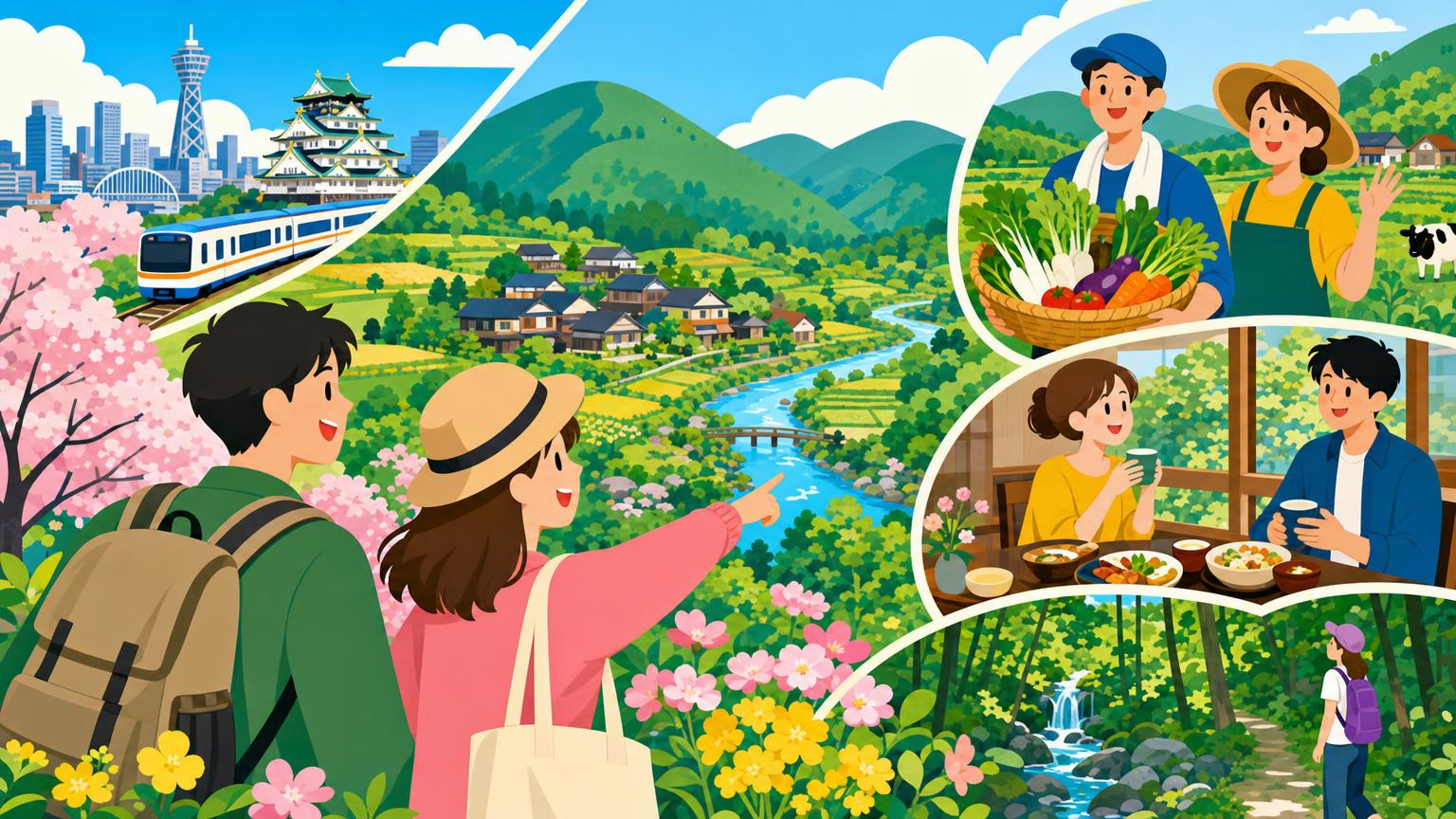
When expats or tourists consider escaping the city in Japan, they often think of well-known spots like Kyoto, Nara, or perhaps Hakone near Tokyo. However, for a true Osaka resident, enduring the tourist crowds in Kyoto on a Saturday afternoon defeats the purpose of a relaxing break. Osaka locals are deeply practical. Why spend hours weaving through hordes of international tourists just to see a temple, when you can drive an hour north and enjoy a mountain breeze all to yourself? Nose offers precisely that kind of practical tranquility.
Discovering the Charm of Satoyama Culture
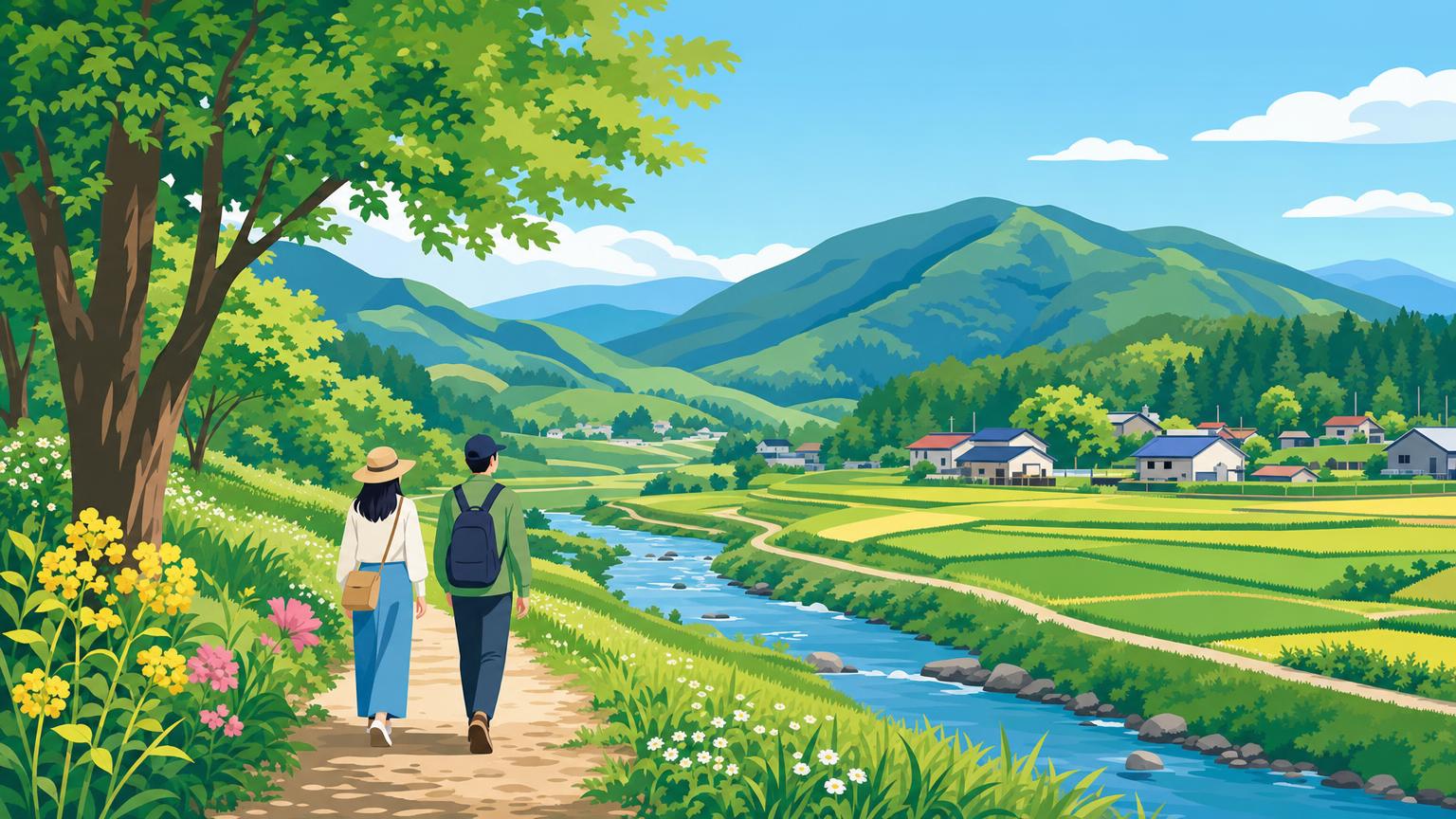
The key concept to understand when visiting Nose is “Satoyama.” Satoyama does not simply mean “nature” or “wilderness.” It refers to the transitional zone between mountain foothills and cultivable flat land—an environment where human agriculture and natural forests coexist in a sustainable and delicate balance. Nose’s landscape embodies this harmony. You’ll find neatly maintained forests adjacent to expansive vegetable gardens and historic farmhouses.
This perfectly reflects the Osaka mindset. People from Osaka are not typically seekers of remote, untouched wilderness. They are social beings who cherish community and human effort. Satoyama culture represents nature shaped by human hands to support a community. It is pragmatic nature. When an Osaka family spends a weekend in Nose, they aren’t aiming to conquer a wild peak; they want to purchase freshly harvested chestnuts directly from the farmer. They seek a rural experience that feels authentic and connected to food production. After all, food is the true love language of Osaka.
The Osaka Mentality of Work Hard and Rest Harder
There is an old Japanese saying that Kyoto people will spend all their money on clothes, while Osaka people will spend all theirs on food until they go bankrupt. This idea, known as “kuidaore,” goes beyond dining in Dotonbori—it represents a devoted commitment to pleasure and relaxation. In Tokyo, weekend trips often involve meticulous planning, fashionable outfits, and stays in sleek, minimalist hotels designed for Instagram. In Osaka, the perfect weekend escape to Nose means donning comfortable sweatpants, packing the family into a domestic minivan, and heading out to feast on generous portions of local beef and fresh vegetables.
Foreigners moving to Osaka often feel pressured to match the city’s fast walking pace and loud conversations. Visiting Nose reveals the release valve for that pressure. You’ll see office workers who typically speed through Umeda station strolling slowly, admiring seasonal cherry blossoms or fiery red maple leaves. The contrast is remarkable, yet it explains how Osaka residents sustain their high energy during the workweek. They balance their intense urban lives with wholehearted, unpretentious rural relaxation.
How to Get to Nose from Central Osaka
One of the main challenges for foreign residents exploring the remote Kansai countryside is transportation. Although Japan’s rail network is renowned for its efficiency and extensive reach, there are still rural areas where trains do not operate. Nose is one such location. Planning your route carefully is essential when traveling north, as your mode of transportation will greatly influence the type of weekend you have.
Traveling by Car (The Most Convenient Option)
To fully experience the freedom of an Osaka weekend getaway, renting a car is highly recommended. Driving is undoubtedly the best way to explore Nose. Unlike Tokyo, where traffic congestion is notorious and many locals forego getting a driver’s license, the Kansai region maintains a strong car culture. Having a car in Osaka gives you access to the mountains, the sea, and everything in between.
From central Osaka, particularly near the Umeda or Shin-Osaka areas, the drive to Nose typically takes about an hour to an hour and a half, depending on traffic. The usual route involves taking the Hanshin Expressway Route 11 Ikeda Line heading north. As you pass through Ikeda and enter Shin-Mido-Suji or Route 423, you’ll feel the city gradually fade behind you. The concrete sound barriers give way to towering cedar trees. You can turn off the air conditioning and roll down the windows to breathe in the damp, earthy mountain air.
Having a car lets you stop spontaneously, which is essential because the best parts of Nose are often the small, unadvertised farm stands along the road selling freshly picked daikon radishes or bags of locally grown rice. You can easily hop from a hidden cafe to a secluded hot spring without worrying about a bus schedule that runs only every two hours.
Traveling by Public Transport (Hankyu Railway and Local Buses)
For those without an international driving permit or a Japanese driver’s license, Nose remains reachable by public transportation, though it requires patience. Your journey begins at Hankyu Osaka-umeda Station, a large, bustling terminal exemplifying Kansai’s private railway dominance. Board the Hankyu Takarazuka Line, known for its elegant, retro maroon exterior and plush olive-green velvet seats. Riding this train feels like stepping back in time.
Take the train to Kawanishi-Noseguchi Station, then transfer to the Nose Electric Railway, locally called the Nose-den. Here, the real change begins. The Nose-den is a quaint, slower train that winds through the foothills. As it snakes through narrow valleys and passes backyards filled with persimmon trees, the frantic energy of Osaka fades away completely. Depending on your destination, you’ll get off at either Yamashita Station or Myokenguchi Station.
From these stations, you rely on the Hankyu Bus network, which can be frustrating for many foreigners. The buses in rural Japan don’t run as frequently as city subways. Missing a bus in Nose might mean waiting an hour or two for the next one. However, this slower pace is part of the charm. It encourages you to let go of the strict schedules of city life. You can sit quietly on a bench, listen to cicadas in summer or the crisp autumn wind, and simply be in the moment.
Top Things to Do in Nose for a Relaxing Trip
Nose does not feature towering amusement park rides or bustling shopping districts. Its attractions are understated, rooted in nature, and focused on rejuvenation. If you visit Nose expecting a list of thrilling tourist spots, you will likely be disappointed. However, if you come seeking to refresh your body and mind alongside local families, you will fall in love with the region.
Soak in Local Hot Springs (Nose Onsen)
When searching for hot springs in Osaka, Japan, most results point to large super-sento bathhouses within the city, complete with neon signs and arcade games. While enjoyable, these do not offer an authentic, natural onsen experience. Nose Onsen provides that genuine rural hot spring atmosphere without the need for a Shinkansen trip to a distant prefecture.
Nestled deep within forested hills, Nose Onsen is a cherished local secret. It draws natural spring water known for being gentle on the skin and deeply soothing for tired muscles. But the true charm of Nose Onsen lies in experiencing the local bathhouse culture. In Tokyo, public baths can sometimes feel stiff and overly formal; people avoid eye contact and soak in silence. In Osaka, especially in a rural area like Nose, the bathhouse serves as a social hub.
Don’t be surprised if an older Japanese gentleman or a friendly grandmother strikes up a conversation with you while you soak in the outdoor rotemburo bath. They’ll ask where you’re from, if the water is too hot, and how you’re enjoying your time in Kansai. This openness may be startling to foreigners expecting Japanese culture to be uniformly reserved, but this warmth is the magic of Osaka. The friendliness of the people rivals the heat of the geothermal water. Letting your guard down, chatting in broken Japanese, and sharing this communal space with locals offers a profound way to connect with the region’s spirit.
Experience Traditional Kominka (Old Farmhouse) Cafes
Over the past decade, Nose has quietly undergone a renaissance. Many large, traditional thatched-roof farmhouses, known as kominka, were left vacant as younger generations moved to cities for corporate careers. Recently, a wave of young, creatively minded Osakans and local artisans have returned to the countryside, converting these beautiful historic homes into cozy, atmospheric cafes.
Visiting a kominka cafe in Nose is an absolute must. These cafes showcase massive exposed wooden beams, sliding shoji paper doors, and tatami mat floors that creak softly underfoot. The air carries the scents of aged wood, roasted green tea, and burning firewood in colder months. They embody wabi-sabi—the beauty found in age and imperfection.
Because these cafes are run by Kansai locals, they lack the pretentious, overly styled vibe typical of trendy Tokyo neighborhoods. Portions of homemade cake are generous, the coffee is locally roasted and served in sturdy ceramic mugs, and owners are eager to chat, often bringing complimentary local snacks just to welcome visitors. You’ll sit by a large glass window, sipping hand-drip coffee while gazing out at a tranquil Japanese garden or a vibrant vegetable patch. It’s the perfect antidote to the harsh fluorescent lighting of a city convenience store.
Taste Local Produce at Michi-no-Eki Nose (Kurinosato)
To truly understand the daily lives and priorities of Osaka residents, a visit to a Michi-no-Eki—roadside station—is essential. These are far from mere rest stops with stale sandwiches and grimy bathrooms. In Japan, Michi-no-Eki are thriving centers of local commerce, and the one in Nose, called Kurinosato, is exceptional.
Nose is renowned throughout Kansai for its agriculture, especially its chestnuts, known as kuri. In autumn, people come from all over Osaka just to buy Nose chestnuts, prized for their large size, sweetness, and suitability for roasting or mixing with rice. Beyond chestnuts, Kurinosato offers a vast indoor market packed with freshly harvested seasonal vegetables, local honey, homemade jams, and regional sake.
Watching the local Osaka aunties, affectionately called obachan, shop here is a cultural lesson in itself. They are discerning, pragmatic, and vocal about finding the best bargains, inspecting daikon radishes with the intensity of diamond appraisers. To immerse yourself in local culture, pick up a basket of fresh strawberries in spring or persimmons in fall and enjoy them on a bench outside. This connects you to the seasonal rhythms of Japanese life often lost when buying imported fruit at urban supermarkets.
Enjoy Nature Walks and Hiking Around Mount Myoken
For those who prefer active relaxation, Mount Myoken offers some of the best accessible hikes in northern Osaka. Considered sacred and historically associated with the local Myoken-shu Buddhist sect, the trails ascend through dense, ancient cedar forests, passing small stone shrines and moss-covered statues.
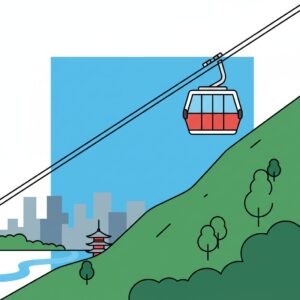
The hike is challenging enough to raise your heart rate but manageable for most fitness levels. For a gentler climb, a charming retro cable car and a scenic chairlift can carry you close to the summit. The chairlift ride is especially nostalgic, gliding silently over cherry blossoms in April or hydrangeas in June. Once at the top, the views are stunning. On clear days, you can survey the rolling greenery of the Satoyama landscape, with the distant sparkling skyline of Osaka city visible on the horizon. Seeing the sprawling metropolis reduced to a tiny speck offers a humbling perspective on the scale of daily urban life.
The Ideal 2-Day Nose Weekend Itinerary
Planning a trip to Nose requires a change in perspective. You can’t fill your schedule with ten different activities. The aim is to take things slowly. Here is a realistic and highly enjoyable two-day itinerary designed for a weekend getaway from the city.
Day 1: Scenic Arrival, Cafe Lunch, and Hot Spring Relaxation
Start your Saturday morning without an alarm. Avoid the Umeda commuter rush. If renting a car, pick it up around mid-morning. Drive north with the windows down, savoring the shift from concrete to forest canopy. Your first stop upon reaching the Nose area should be lunch. Find one of the local kominka cafes and order a set meal featuring locally sourced vegetables, perhaps a warm bowl of soup, and a thick slice of homemade bread. Eat slowly. There’s no train to catch and no appointment to keep.
After a relaxed lunch, drive to Michi-no-Eki Kurinosato. Spend an hour browsing the aisles. Purchase some local snacks—maybe roasted chestnuts or a bottle of regional cider. Enjoy some people-watching and observe how locals interact with farmers dropping off their afternoon harvest.
By late afternoon, check into your accommodation and head straight to the hot springs. Arrive at Nose Onsen before sunset. Thoroughly wash in the showers, then soak in the outdoor bath. Let the geothermal warmth ease the tension in your shoulders. Listen to the wind rustling through the trees and the gentle chatter of the locals sharing the bath. After your soak, savor a traditional kaiseki dinner at your ryokan, featuring seasonal ingredients from the surrounding mountains. Drift off early on a futon, wrapped in the profound silence of the countryside.
Day 2: Nature Exploration, Local Shopping, and Heading Home
Wake with the sun on Sunday. The morning air in Nose is remarkably crisp. After a hearty Japanese breakfast of grilled fish, rice, and miso soup, head toward Mount Myoken. Decide whether to hike the trails or take the nostalgic cable car to the summit. Spend late morning exploring the temple grounds at the mountain’s peak. The spiritual ambiance is soothing, and the panoramic views provide a perfect backdrop for reflection.
For lunch, find a local soba noodle shop. Soba is a staple in Japan’s mountainous regions because buckwheat thrives in cooler, higher altitudes. A cold plate of zaru soba with freshly grated local wasabi and crispy vegetable tempura makes the perfect midday meal. It’s light, refreshing, and deeply satisfying.
Before heading back to central Osaka, make one last stop at a local farm stand or bakery to pick up something for Monday morning. Bringing a piece of Nose back with you—whether a loaf of bread baked in a wood-fired oven or a jar of local honey—helps ease the transition to city life. As you drive or take the train southward, watching Osaka’s skyline rise to meet you, you’ll realize the city feels a little less intimidating. You have connected with the source of its resilience.
Where to Stay in Nose
Because Nose is primarily a rural community rather than a bustling tourist hotspot, accommodation options are limited but genuinely authentic. You won’t find towering international hotel chains here. Instead, you’ll discover places that focus on hospitality, nature, and comfort.
Ryokans, Hot Spring Hotels, and Glamping Sites
For the most traditional experience, staying at a local ryokan or a hot spring hotel such as Nose Onsen is highly recommended. These establishments deliver the classic Japanese hospitality known as omotenashi. Your stay will usually include a multi-course dinner and a carefully prepared breakfast. The rooms feature tatami mats, are simple yet comfortably designed to draw your attention to the views outside your window rather than a television screen.
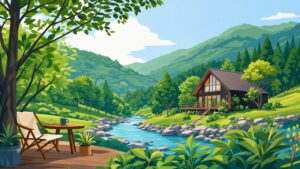
If you prefer a more modern, nature-oriented experience, Nose has recently embraced the glamping trend. Several luxury camping sites have opened along the valleys and rivers. These sites provide large canvas bell tents or wooden cabins equipped with comfortable beds, heating, and private barbecue decks. Glamping in Nose is ideal for expats looking to enjoy the Japanese outdoors without the hassle of buying and transporting extensive camping gear. It combines the rustic appeal of roasting marshmallows over an open fire with the comfort of a proper mattress, perfectly embodying the Osaka philosophy of enjoying life without unnecessary hardship.
Essential Travel Tips for the Northern Osaka Countryside
Traveling in rural Japan involves its own set of unwritten rules and logistical realities. To make your weekend getaway as smooth and stress-free as possible, keep a few practical tips in mind.
Best Time of Year to Visit Nose
Nose is a place that changes dramatically with the seasons. Autumn is unquestionably the most popular time to visit. The fall foliage in the mountains is breathtaking, coloring the hills in vivid shades of crimson and gold. Additionally, autumn is the harvest season for Nose’s famous chestnuts. However, this also means that autumn weekends can be crowded with local day-trippers.
Spring is just as beautiful, featuring blooming cherry blossoms and fresh green shoots. The weather is mild, perfect for hiking Mount Myoken. Summer in Nose offers a refreshing break from the intense, concrete-baked heat of central Osaka. Thanks to the higher elevation, the air is cooler and less humid. Winter is quiet and starkly beautiful, though you should be prepared for occasional snow if you plan to drive. Sitting in an outdoor hot spring while snowflakes fall into the water is a magical experience, but make sure your rental car has suitable winter tires if freezing temperatures are forecast.
Budgeting and Local Navigation Advice
Once you leave Osaka’s city limits, the universal acceptance of credit cards and digital payments disappears. Cash is king in Nose. While larger hotels and the main Michi-no-Eki may accept credit cards, small kominka cafes, roadside farm stands, and local bus drivers will only accept Japanese yen in cash. Be sure to stop at an ATM in Umeda before starting your journey to avoid any awkward situations.
Regarding navigation, Google Maps generally works well for driving directions in Nose, but be aware that it may occasionally try to route you down extremely narrow, single-lane farming roads to save a couple of minutes. Stick to the main prefectural roads whenever possible to avoid scraping your rental car against stone walls. If you rely on public transport apps, double-check the timetables directly at the bus stops, as rural schedules are subject to seasonal changes that might not be promptly updated on English transit apps.
Ultimately, a weekend in Nose reveals that the aggressive, neon-lit image of Osaka is only part of the story. The true spirit of the Kansai region lies in this balance. It is in the ability to hustle relentlessly in the city from Monday to Friday, then retreat to the quiet, unpretentious beauty of the mountains on the weekend. By experiencing Nose, you’re not just escaping Osaka; you’re discovering how the people of Osaka survive, thrive, and find their peace.