Walk down a major street in Tokyo, and your eyes are drawn to the ground floor. Gleaming storefronts, perfectly curated window displays, and familiar logos beckon from street level. The city presents itself to you, clean, organized, and easy to read. Now, walk down Shinsaibashi-suji in Osaka. Your senses are hit with a tidal wave of stimuli. Towering signs for pachinko parlors clash with faded banners for decades-old clinics. The ground floor is a chaotic symphony of drugstores, takoyaki stands, and apparel chains. But if you only look at street level, you’re missing about eighty percent of what’s actually going on. You’re missing the real city. Welcome to the world of the zassho-biru, the “miscellaneous-use building,” Osaka’s unassuming secret weapon and the key to understanding its very soul. These drab, often tired-looking concrete towers are the city’s vertical neighborhoods, and hidden within their floors are some of the most creative, personal, and downright wonderful cafes and workspaces you’ll ever find. Forget the sprawling, predictable coffee chains on the corner. In Osaka, the best life happens a few floors up, accessible only by a slow, creaky elevator and a bit of adventurous spirit. This isn’t just an architectural quirk born of necessity; it’s a mindset. It’s a testament to a city built by small-time entrepreneurs, a place that has always valued substance over slick packaging. Learning to navigate these vertical labyrinths is learning the language of Osaka itself—a language of pragmatism, community, and the joy of discovering a hidden gem that feels like it’s yours and yours alone.
Exploring these hidden vertical neighborhoods not only unearths inspiring cafes and workspaces but also reveals a vibrant local spirit reminiscent of the playful nori-tsukkomi culture that forges genuine connections.
The Zassho-biru Mindset: Why Osaka Builds Up, Not Out
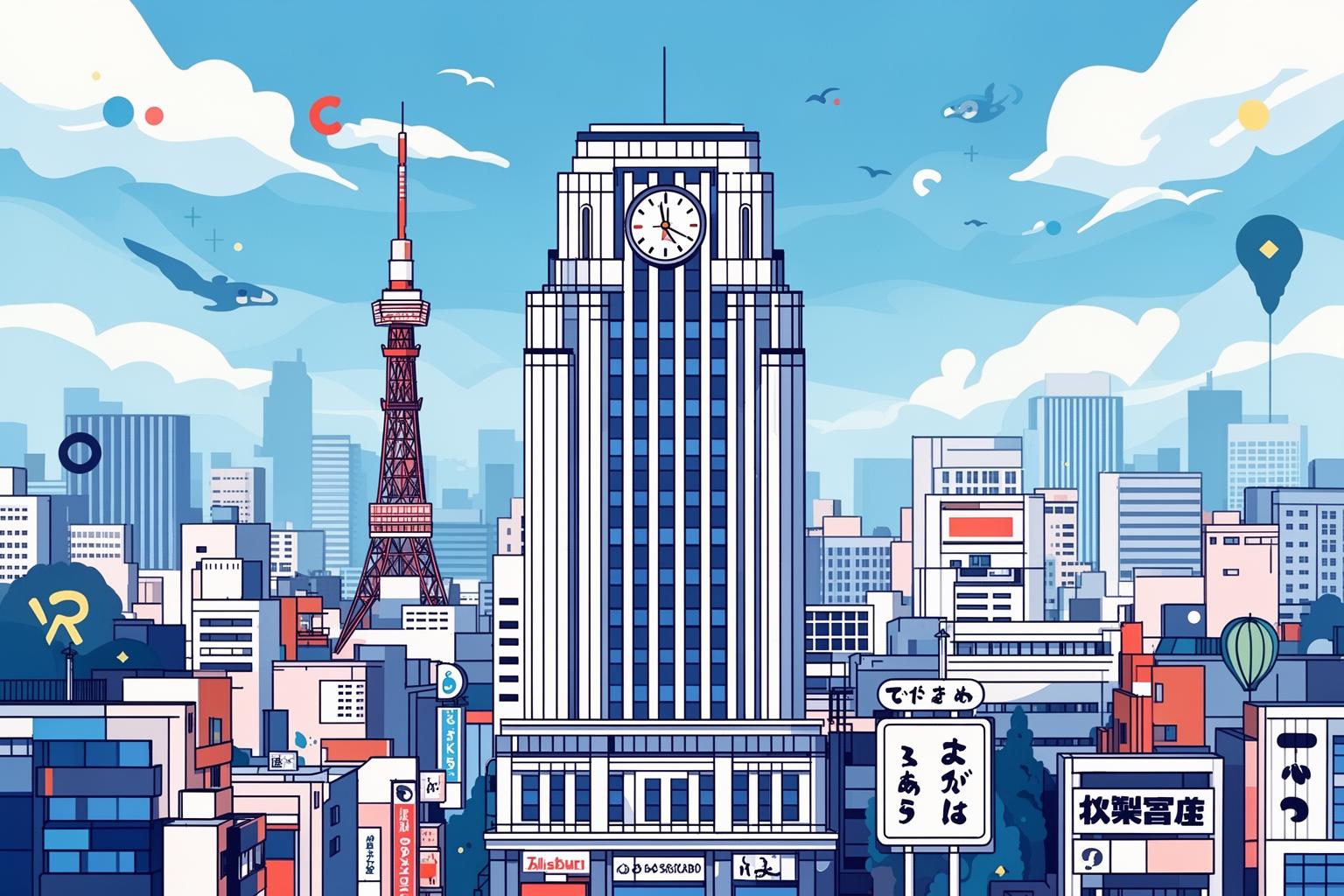
To truly understand Osaka, you need to recognize that the city’s essence is rooted in commerce, built from countless small family businesses. Historically, it was Japan’s merchant capital, known as the “Nation’s Kitchen,” where your word and the quality of your products mattered far more than the appearance of your storefront. That spirit remains vibrant today, embedded in the very structure of the zassho-biru. These buildings directly embody Osaka’s deeply practical mindset. Why pay a premium for ground-floor rent with large windows when you can run an excellent business on the fourth floor at a fraction of the expense? This isn’t about being cheap; it’s a savvy business approach called kosupa, or cost performance. An Osakan entrepreneur would rather reinvest the money saved on rent into superior coffee beans, a better sound system, or unique furnishings. The flashiness of the location takes a back seat to the quality of the experience. This sharply contrasts with Tokyo, where image, branding, and prime, highly visible real estate are often prioritized. In Tokyo, the building frequently serves as the brand. In Osaka, the individual inside is the brand.
This economic framework fosters a distinctly different business culture. A café located on the fifth floor of an unassuming building can’t rely on casual walk-ins. Instead, it depends on another form of currency: reputation. It thrives on word-of-mouth, loyal regulars who become advocates, and the digital buzz created by those who make the effort to climb the stairs. This forms an ecosystem of businesses built on loyalty and authentic connections. Discovering your favorite spot in a zassho-biru feels less like a commercial transaction and more like being welcomed into a private club. The owner remembers your name, knows your usual order, and may even introduce you to other regulars. This is the often-misconstrued heart of Osaka’s famed “friendliness.” It’s not just casual small talk; it’s a culture of community-building that permeates its commercial life. People support small, independent businesses because they’re run by neighbors, by passionate individuals. By choosing to take that elevator, you’re not just buying coffee; you’re casting a vote for a more personal, less corporate way of life.
Navigating the Vertical Labyrinth: How to Spot a Hidden Gem
For someone new, the entrance to a typical zassho-biru can feel intimidating. It’s usually a narrow doorway wedged between a pachinko parlor and a ramen shop, opening onto a dimly lit corridor. The first skill you need to develop is reading the directory board. Think of it as your treasure map. It’s likely a chaotic collage of signs in various conditions—some sleek and modern, others yellowed plastic plates with peeling kanji. Don’t be discouraged. Look for keywords like 「カフェ」 (cafe) or 「コーヒー」 (coffee). Seek out signs with a bit of character—a handwritten note, a quirky logo, or an artfully created card. These clues often indicate an independent operator. The most intriguing spots sometimes have the most subtle signs, quietly announcing their presence rather than shouting it. Your second tool is your smartphone. In today’s social media world, Instagram serves as the modern word-of-mouth. Search by neighborhood and hashtags like #大阪カフェ (Osaka Cafe) or #隠れ家カフェ (hidden cafe). Businesses use their feeds as digital storefronts, visually promising the beautiful space awaiting you upstairs, turning the grungy entrance into a gateway to another world.
Once you’ve picked a potential place, it’s time for the elevator test—a rite of passage. Elevators in zassho-biru are often tiny, utilitarian boxes. They may jolt slightly on the way up, and the air can carry faint scents from other tenants—the hairspray from the salon on the second floor, the garlic from the Italian restaurant on the third. This all adds to the charm. The ride builds anticipation. When the doors open, you might find yourself in a quiet, sterile hallway lined with unmarked doors—it’s a bit like a detective movie. But open the right door, and the transformation is stunning. You step from a dull, functional corridor into a carefully crafted oasis of calm. The noise from the street disappears, replaced by the gentle hum of an espresso machine or the soft melodies of a curated playlist. That moment of discovery, the sensation of uncovering a secret world, is an addictive thrill. It turns the simple act of getting coffee into a memorable adventure. You’ve earned it. You didn’t just wander in; you sought it out and found it.
Inside the Hidden Sanctuaries: What to Expect
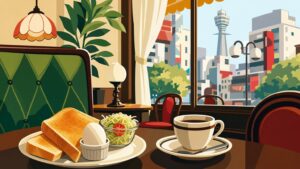
What truly defines these elevated spaces is their bold individuality. Unlike the uniform decor and menus of chain cafes, each zassho-biru spot serves as a direct expression of its owner’s passion. There is no template. One door may open to a serene, minimalist sanctuary featuring white walls, light wood, and a single piece of abstract art—an ideal, distraction-free environment for remote work. Another might unveil a retro kissaten, a time capsule from the Showa era, complete with velvet chairs, Tiffany-style lamps, and a master who has honed his siphon coffee craft for forty years. You might come across a hybrid gallery-cafe run by a local artist, where the artworks on display are for sale, or a book cafe lined floor-to-ceiling with vintage novels, inviting you to spend an entire afternoon. The person taking your order is almost always the owner, the barista, and the curator of the entire experience. This direct connection from creator to customer is increasingly rare in modern urban life. The conversation you have isn’t with a corporate employee; it’s with the person whose dream you are inhabiting. This fosters a level of care and attention to detail that can’t be replicated on a mass scale.
This distinctive atmosphere has made these hidden cafes the unofficial hub for Osaka’s growing community of freelancers, writers, and remote workers. They represent the ultimate “third place,” a setting between home and a formal office. They provide the amenities of a workspace—Wi-Fi, outlets, good coffee—but with a soul that sterile co-working spaces often lack. Each cafe cultivates its own unspoken code and energy. Some are havens of absolute silence, where the only sounds are the tapping of keyboards and the clink of ceramic on saucer. Others hum with a more social, collaborative vibe, where regulars greet each other and the owner takes on the role of a laid-back community manager. Finding the right fit for your work style becomes part of the experience. In these vertical sanctuaries, you’re not just a customer accessing Wi-Fi; you’re a temporary resident, a member of a quiet, transient community united by a shared appreciation for good coffee and a tranquil place to think. It’s a more intentional, more human way to work and live in a bustling metropolis.
The Osaka Difference: Community Over Convenience
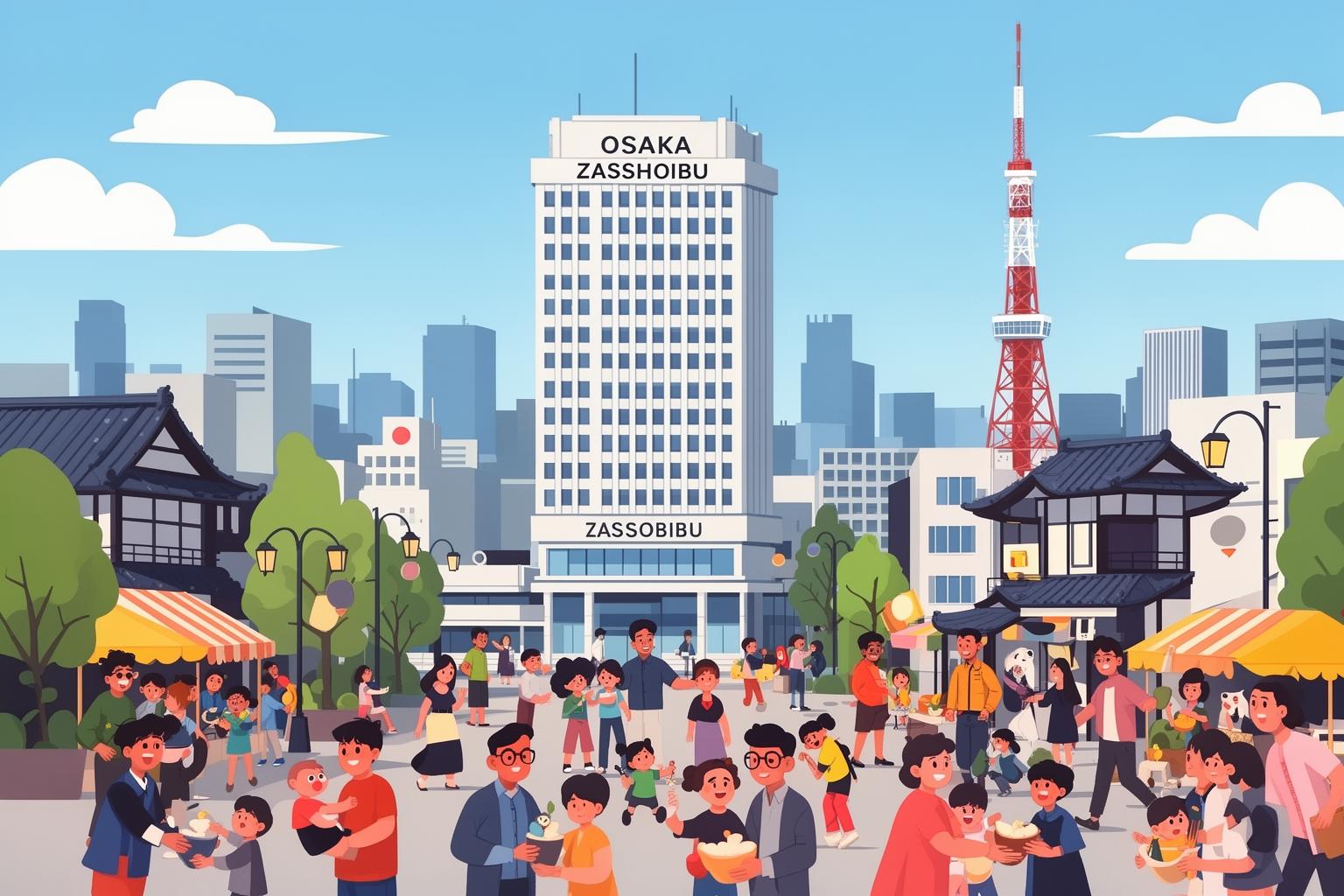
If there’s one word that captures modern life in many global cities, it’s convenience. We want things fast, easy, and predictable. Tokyo exemplifies this perfectly. Its public transit is a marvel of efficiency, and its commercial landscape is dominated by reliable chains that offer the exact same experience every time. There is a deep comfort in that predictability. Osaka, while by no means inconvenient, operates according to a slightly different set of values. Here, experience often takes precedence over efficiency. Choosing to visit a zassho-biru cafe is a deliberate rejection of the easiest path. It demands more effort. You have to locate the building, interpret the directory, take the slow elevator, and sometimes navigate a confusing hallway. It’s objectively less convenient than stepping into the Starbucks on the corner. But for many Osakans, and for foreigners who have grown fond of the city, that effort is precisely the appeal. It weeds out those who don’t care. It fosters a customer base invested in the experience, not just the caffeine. This shared intention is what transforms a room full of strangers into a temporary community.
A common misconception among visitors, and even new residents, is to see the gritty exterior of these buildings as a sign of neglect or danger. The plain concrete, narrow entrances, and lack of street-level charm can feel uninviting. It’s easy to pass by dozens of these buildings without ever considering the vibrant worlds inside. The key is to shift your perspective. In Osaka, the facade is not the story. The grimy staircase is not a warning; it’s an introduction. This city’s culture doesn’t demand that its treasures be polished and displayed prominently on the main street. It trusts that what is truly good will be discovered. This approach relies on a mutual trust between business and customer. The owner trusts that if they create something remarkable, people will make the effort to find it. The customer trusts that behind that unassuming door, an experience worth the effort awaits. It’s a social contract written in the language of adventure and discovery, not advertising and convenience.
Beyond Coffee: The Zassho-biru as a Microcosm of Osaka
Ultimately, these hidden cafes represent just one aspect of the rich, multi-layered life within the zassho-biru. These buildings form a complete ecosystem, a vertical cross-section of city life. The first floor could be a pharmacy, the second a dental clinic, the third a small, specialized law firm, the fourth a seven-seat tempura bar run by the same family for two generations, and on the fifth, your new favorite workspace. This dense and seemingly random blend captures the essence of Osaka’s urban fabric. It’s highly practical, slightly chaotic, and wonderfully human. There’s no master plan or overarching corporate design. The city is built piece by piece, by individuals running their own small enterprises. This vertical stacking is a masterclass in efficient space use, but more importantly, it physically embodies a society where different parts of life and commerce are intertwined and layered.
This model directly descends from Osaka’s merchant history. For centuries, this city has been home to specialists, artisans, and traders who earned their reputation not through flashy addresses but through the undeniable quality of their craft. That spirit is deeply ingrained in the city’s DNA. The zassho-biru serves as the modern marketplace, where a talented young barista can open her dream cafe without needing a massive loan, right beside a veteran accountant who has served the neighborhood for decades. It’s a democratizing architecture that provides opportunities to those with passion more than capital. So next time you walk through the electric chaos of an Osaka street, pause for a moment. Look up past the glaring neon at the ground level, and scan the windows above. See the faint glow of a warm lamp on the fourth floor, the silhouette of someone reading by a sixth-floor window. The real city is up there, waiting. Finding your way into it is more than just a fun way to spend an afternoon; it’s the moment you move beyond merely seeing Osaka and start truly understanding it.