Osaka. Say the name and a certain image flashes to mind. A kinetic neon blur of battling crabs and giant pufferfish, the sizzle of takoyaki on a hot griddle, the roar of a thousand conversations crashing together under the Dotonbori lights. It’s a city that wears its heart on its sleeve, loud and proud, a place of commerce and comedy, where everything seems to move at a slightly faster, more frantic pace. For anyone who has just moved here, the sheer energy can feel like a tidal wave. It’s exhilarating, sure, but it can also be exhausting. You start to wonder, where do people actually live in all this? Where do they find a moment of peace? Where do you go when you need to think, to work, to simply exist without being part of the spectacle? The common narrative, especially when compared to the polished reserve of Tokyo, is that Osaka is all surface, all sound, all the time. But that’s a fundamental misunderstanding of this city’s soul. The real Osaka, the one that hums with the rhythm of daily life, isn’t found under the Glico Running Man. It’s tucked away, just out of sight, in the covered arteries of its neighborhoods: the shotengai.
These shopping arcades are the city’s living rooms. They are sprawling, chaotic, and deeply human corridors where generations of families have built their lives. And hidden within them, nestled between fishmongers and futon shops, are the quiet sanctuaries you’re looking for. These are the community cafes and old-world kissaten that serve as the neighborhood’s collective exhale—places to work, to watch, and to slowly, genuinely connect. This isn’t about finding the most Instagrammable latte art. This is about finding a real place in a city that’s too often reduced to a caricature. It’s about discovering that beneath the bustle, Osaka has a quiet, steady heartbeat, and the best way to feel it is to pull up a chair, order a coffee, and just listen.
For those seeking both a tranquil workspace and a taste of local routine amid Osaka’s shotengai, exploring Yodoyabashi’s workday meal culture offers valuable insights for balancing productivity and culinary pleasures.
The Shotengai: More Than Just a Shopping Street
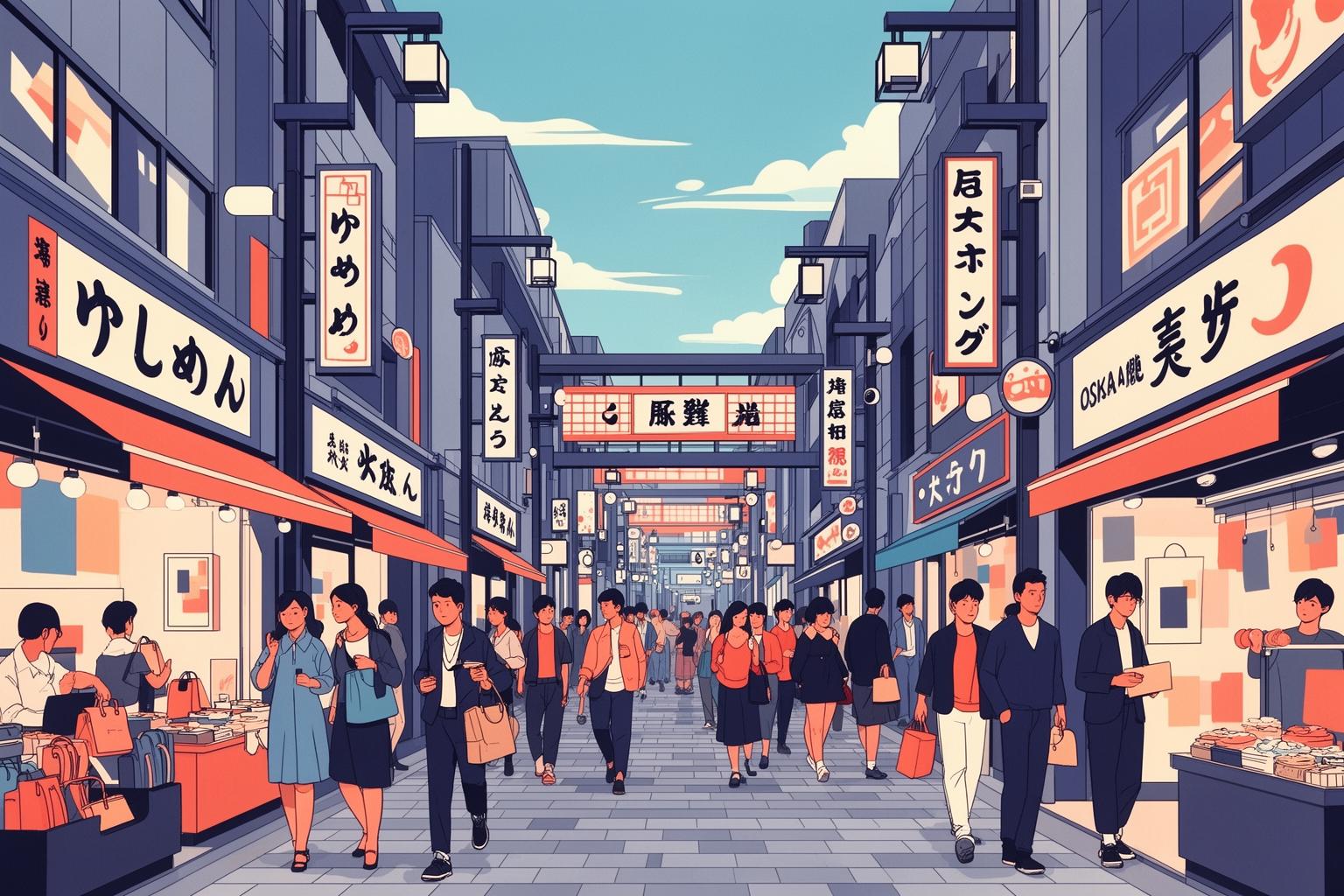
First, let’s redefine what a shopping arcade means to you. If you imagine a sterile, climate-controlled mall with shiny floors and chain stores, you’re thinking of the wrong place. An Osaka shotengai is something entirely different. It’s a covered street, sometimes extending for kilometers, that serves as the neighborhood’s main lifeline. It’s a symphony of the ordinary, a beautiful and gritty mosaic of everyday life. The air is filled with a blend of scents—the sweet fragrance of roasting green tea from a century-old shop, the savory steam wafting from a butcher frying croquettes, and the subtle, salty hint of fresh fish on ice.
A Living Ecosystem
The soundscape is equally vibrant. You’ll hear the clatter of a shopkeeper’s metal shutters rolling up at dawn, the lively, almost musical calls of vendors promoting their daily specials, and the squeak of bicycle brakes as an elderly woman navigates through a gentle crowd of pedestrians, her basket brimming with daikon radishes and green onions. This is not a polished commercial venue designed for tourists. It’s a living, breathing ecosystem forged through generations of trust and familiarity. The tofu maker knows the pickle seller, who went to school with the futon shop owner’s son. Their histories are intertwined, and their fortunes tied to the well-being of this single street.
Osaka’s Pragmatic Heart vs. Tokyo’s Polished Facade
Here lies one of the clearest contrasts between Osaka and Tokyo. Tokyo’s neighborhoods often feel curated, marked by a distinct aesthetic and brand awareness. The streets are pristine, the shops elegant, and interactions tend to be polite but transactional. Osaka’s shotengai, on the other hand, are unapologetically practical. They are designed for function, community, and survival. The style is one of lived-in authenticity. Signs are hand-painted and occasionally faded, displays piled high in a beautifully chaotic order, with an emphasis on value and relationships rather than branding.
The mindset of the Osaka akindo, or merchant, is crucial to understand. There’s a strong independence and deep pride in their craft, paired with a straightforward, approachable attitude. They aren’t trying to impress with sleek design; they aim to offer good products at fair prices and maybe share a laugh along the way. This atmosphere, this philosophy, is what gives rise to the unique cafes tucked within these arcades. They are true extensions of the community spirit, not separate from it.
Decoding the Kissaten: The Anti-Starbucks Experience
As you stroll through these arcades, you’ll encounter cafes of every variety. Yet the true treasures, the ones that embody the city’s stories, are the kissaten. A kissaten is more than just a coffee shop; it’s a cultural institution—a time capsule that preserves the ambiance of the Showa Era (1926-1989). To enter one is to step away from the relentless rush of modern life.
An Atmosphere of Deliberate Stillness
The change in atmosphere is immediate. The bright, often hectic light of the shotengai is replaced by a dim, warm interior. The air is still, infused with the rich, deep scent of dark-roast coffee, possibly brewed carefully in a glass siphon. The décor reflects vintage comfort: dark wood paneling, plush velvet chairs in burgundy or forest green, and ornate lamps casting a soft, golden glow. Instead of the latest pop hits, the soundtrack consists of the gentle clinking of porcelain cups, the subtle rustling of a newspaper, and perhaps some soft jazz or classical music playing from an old stereo.
These are not the noisy, bustling “third spaces” favored by global coffee chains. They were never meant for co-working or social networking. Rather, they serve as sanctuaries—places for quiet reflection, intimate conversation, or simply a moment of personal retreat. At the heart of this world is the “Master” (`masutā`), the owner and sole operator who oversees the counter. Often an older man or woman, they move with quiet, deliberate grace. Their greeting might not be the effusive friendliness of a chain barista; instead, it may be a simple nod or a calm “irasshaimase.”
The Unspoken Rules of the Kissaten
This is not aloofness but a form of stewardship. The Master’s role is to preserve the cafe’s unique atmosphere of calm. They are the custodians of quiet. This brings with it a set of unspoken rules essential for any newcomer to follow. While a laptop might be accepted, opening it up to start a video conference call would grossly violate the social contract. Loud, animated phone conversations are completely out of the question. The kissaten is a shared haven of tranquility, and every visitor is implicitly expected to maintain that peace. Your presence should be a gentle ripple, never a disruptive splash.
In Osaka, the Master often reflects a distinctive local spirit. They blend the meticulousness of a craftsman (shokunin) with a pragmatic, no-nonsense attitude. They’ve seen it all and aren’t easily impressed. Friendship and recognition are not freely given; they are earned through consistent effort. Regular visits, polite ordering, respect for the space—over time, you’ll notice a change. A flicker of recognition in their eyes, a slightly warmer nod, perhaps even a quiet inquiry about your day. This is how connections are forged in Osaka—not through grand gestures, but through the patient accumulation of small, respectful actions.
Finding Your “Third Place” in the Arcade
So, how do you discover these hidden gems? They seldom advertise. They exist for the local community, not for outsiders. The secret is to slow down and learn to interpret the visual language of the shotengai.
How to Spot a Hidden Gem
Look beyond the bright, modern storefronts. Your destination is likely to have a more modest entrance. Spot a simple, hand-painted wooden sign with peeling paint. Watch for a spinning, striped pole light—not the traditional red, white, and blue barber pole, but often a single color, serving as a quiet beacon. Notice the classic plastic food models (`shokuhin sampuru`) displayed in a glass case by the door, showing a perfect slice of toast, a glossy mound of spaghetti Neapolitan, or a bright melon cream soda. These are signs of a place that has been part of the neighborhood for decades.
Frequently, the best spots aren’t on the main arcade street but tucked a few steps into a narrow, intersecting alleyway (`yokocho`). These side streets have cheaper rent and house smaller, more specialized businesses. Peering down these alleys is like uncovering a secret level of the city.
The Ritual of the “Morning Set”
Inside, you’ll encounter rituals that tie the community together. The most significant is the “morning service” or `mōningu sābisu`. This breakfast set, usually served until about 11 a.m., offers one of the best deals in Japan. For the price of a single cup of coffee, you get a tray with your drink, a thick, fluffy slice of toasted white bread (`shokupan`) with butter and jam, and a hard-boiled egg. It’s a simple, comforting meal, and for the local retirees and small business owners who form the café’s core, it’s a daily tradition. This is where they gather to read the newspaper, chat with the Master, and catch up on neighborhood news. By simply being there, you quietly observe the gentle morning rhythm of the community.
From Observer to Participant
Here is where genuine connection starts. At first, you are an outsider, just an anonymous face. But becoming a regular is simple. Be consistent. Visit at the same time several days a week. Order the same thing. The Master will notice. The other regulars will notice. The initial barrier is not hostility but habit. You’re a new factor in a stable equation. Over time, your presence becomes part of the new normal. A nod of greeting may turn into a brief chat about the weather. The Master might remember your order. Another regular might ask where you’re from. These small, gradual steps help you weave yourself into the neighborhood’s fabric. In Osaka, community isn’t something you pursue actively; it’s something you settle into with patient, repeated presence.
The Misunderstanding of Osaka’s “Loudness”
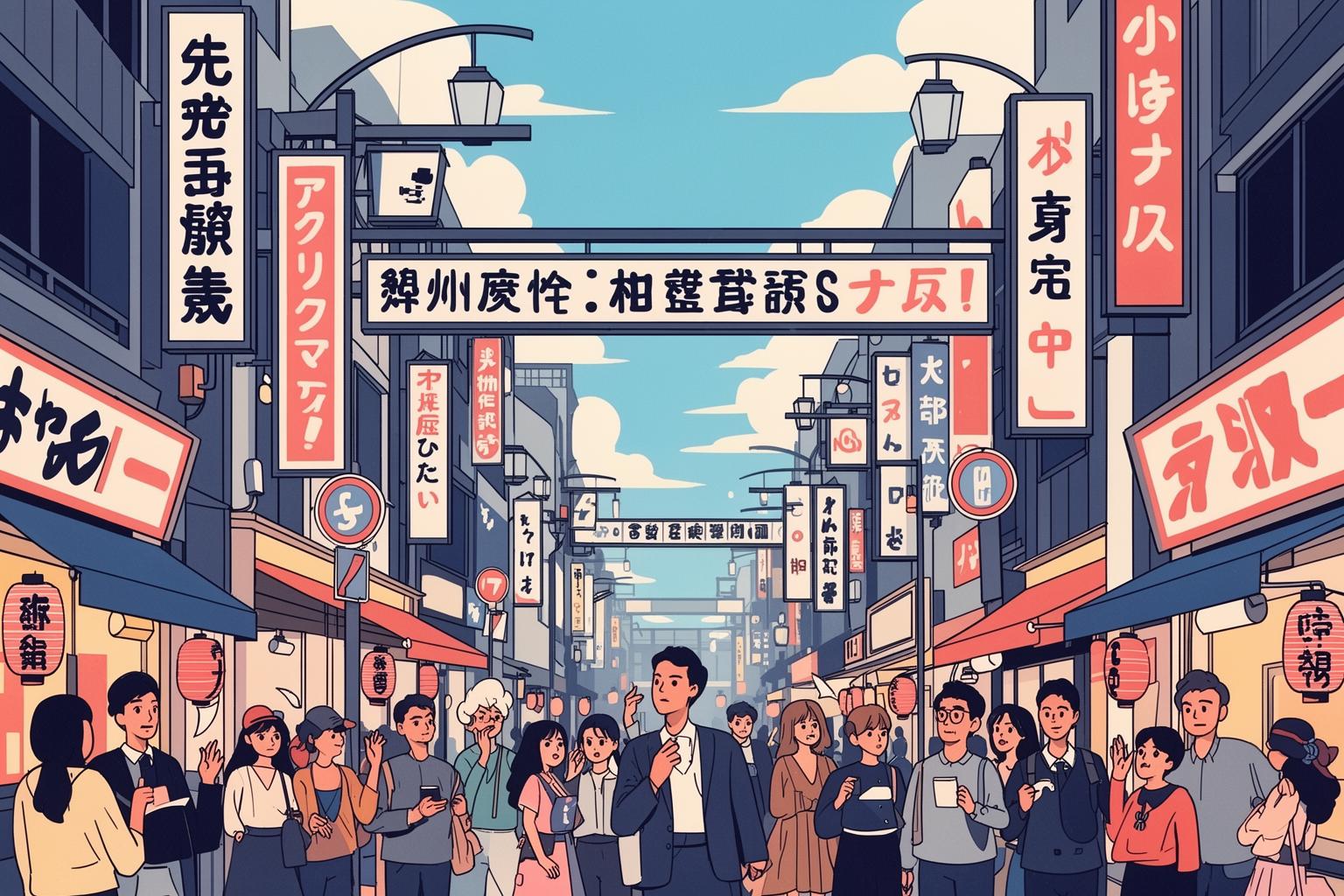
This brings us back to the common stereotype about Osaka: that it’s a loud city. This impression, stemming from the boisterous commercial atmosphere of its entertainment districts, completely misses the mark. The “loudness” of Osaka isn’t about noise level; it’s about straightforwardness. It reflects a culture that prioritizes honesty and emotional openness over the polite, often ambiguous social codes of `tatemae` (public face) and `honne` (true feelings) that are so widespread in Tokyo.
Directness, Not Disruption
In a Tokyo café, conversations tend to be quiet, with great effort made to avoid disturbing others. In an Osaka shotengai café, you’ll hear people laughing—genuinely, heartily. You’ll hear lively, energetic discussions. From an outsider’s perspective, it may seem noisy. But if you listen carefully, you’ll realize it’s not disruptive. It’s simply the sound of people being authentic, openly and without affectation. They aren’t putting on a show; they are communicating plainly and sincerely.
Yet, there is a deep, intuitive respect for the shared space. While two friends might engage in a passionate debate, they seldom do so in a way that overwhelms the entire room. A social agreement is in place: be yourself, but maintain harmony. This distinction is vital. The energy is one of participation, not hostility. It’s an invitation to join in the human experience, even as an observer. This atmosphere is freeing for many foreigners who feel restricted by the quiet formality found elsewhere in Japan. In an Osaka café, you feel you can relax more, express yourself more freely, as long as you honor the basic purpose of the space—a common sanctuary.
Practical Tips for Cafe Work & Connection
Successfully navigating these spaces requires some cultural fluency. You’re not just a customer purchasing Wi-Fi access; you’re a guest in a community’s living room. Here’s how to be a considerate one.
Choose the Right Cafe for the Right Task
First, learn to distinguish between them. A classic, Showa-era kissaten with an elderly Master is likely not ideal for a four-hour laptop work session. It’s meant for reading, reflecting, or quiet conversation. If you need to focus on serious work, seek out a more modern-style cafe, even within the shotengai. These are often run by a younger generation and may explicitly offer Wi-Fi and power outlets. Visual cues will differ: a sleeker design, a more contemporary menu. Reading the atmosphere is your most valuable skill.
The Unwritten Rules of Occupancy
If you plan to stay for a longer period, keep the one-drink rule in mind. In Japan, it’s generally understood that one order grants you a reasonable amount of time, around 60 to 90 minutes. If you remain longer, polite etiquette suggests ordering a second item—another coffee, a slice of cake, or a sandwich. This is especially important during busy times like lunchtime. Hogging a table for hours on a single 500-yen coffee is seen as poor manners. It’s about maintaining a fair exchange of value between you and the small business owner.
Master the Art of Observation
The best approach is simply to watch and listen. Notice how the Master interacts with regular customers. Pay attention to the casual greetings and easy banter. Listen to the rhythm of the local Osaka dialect, Osaka-ben, which is faster, more direct, and more melodic than standard Japanese. This offers a free, immersive lesson in the city’s culture. You’ll gain more insight into the Osaka mindset by spending two hours in a shotengai cafe than from two weeks of sightseeing.
Start Local, Start Small
Don’t try to conquer the city all at once. Begin with the shotengai closest to your apartment. Walk its entire length. Then walk it again. Explore the small side alleys. Choose a cafe that looks inviting and give it a try. It might not be perfect, but the process of exploring is what counts. Every neighborhood has its own unique character and its own hubs. Your mission is to find yours. Whether it’s the sprawling Tenjinbashisuji, the retro-cool vibe of Nakazakicho, or the truly local atmosphere of the Komagawa shotengai, your spot is waiting for you.
The Real Osaka is in the Coffee Rings on the Table
Ultimately, the search for a quiet cafe in Osaka goes beyond simply finding a spot to work. It’s a quest to discover the city’s genuine spirit. The iconic images of Osaka—the bright lights, the endless street food, the lively crowds—are authentic, but they represent only one facet of the story. They are the city’s public face, its grand spectacle.
Osaka’s true essence, its heart and history, is found in the quieter moments. It lies in the carefully brewed siphon coffee, the warm towel offered by an elderly cafe Master, the sound of neighbors laughing over their morning toast. It’s in the worn velvet of the chairs and the faint, permanent coffee rings on the wooden tables—traces left by countless conversations, worries, and small joys over many years.
To discover these places is to find a different kind of connection. Not the fleeting, digital bond from a Wi-Fi signal, but the slow, analogue link to a place and its people. It demands patience. It demands observation. It asks you to shift from the role of a consumer to that of a quiet participant. But if you embrace this, you’ll be rewarded with something far more precious than just a good cup of coffee. You’ll gain a glimpse into the real, human-scale Osaka—a city that, beneath all its famous hustle and bustle, is among the most welcoming and community-minded places you could ever hope to call home.