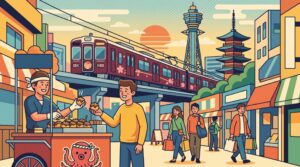
It’s Wednesday night in Osaka. The air in your Namba apartment feels thick, a cocktail of takoyaki steam, neon hum, and the distant rumble of the Midosuji line. You’re scrolling through your phone, trying to make sense of the city’s relentless energy, when you overhear a neighbor in the hall. They’re laughing, making plans. The only word you catch clearly is “Awaji.” Again. You’ve heard it before, spoken like an incantation, a password to a world beyond the concrete canyons of Umeda and the crushing crowds of Shinsaibashi. What is this place? A map shows you an island, a green teardrop tucked into the Inland Sea, suspended between Honshu and Shikoku. But a map doesn’t tell you the whole story. Awaji Island isn’t just a destination for people in Osaka; it’s an extension of the Osakan psyche. It’s the city’s collective exhale, the backyard barbecue, the secret playground where the unwritten rules of Kansai life are on full display. To understand why an Osakan packs up the car and heads for the great Akashi Kaikyō Bridge is to understand the soul of this city—its pragmatism, its obsession with food, and its deep-seated need for a clean, uncomplicated break. Forget the guidebooks for a moment. This is about decoding the Awaji escape, Osaka style.
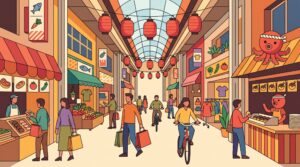
Before setting off on your escape, consider delving into the local culture by checking out Osaka shotengai deals, which reveal how everyday marketplace treasures reflect the city’s playful and practical spirit.
The Psychology of the Escape Valve
In Tokyo, escaping the city is a carefully orchestrated event. It often requires a precisely timed Shinkansen trip to places like Hakone or Karuizawa, destinations known for a refined, understated elegance. It’s a planned retreat, a deliberate exercise in curated leisure. Osaka doesn’t operate that way. The Osaka getaway is less about retreat and more about release. It’s spontaneous, raw, and begins the moment your tires touch the steel deck of the Akashi Kaikyō Bridge.
The Bridge as a Portal
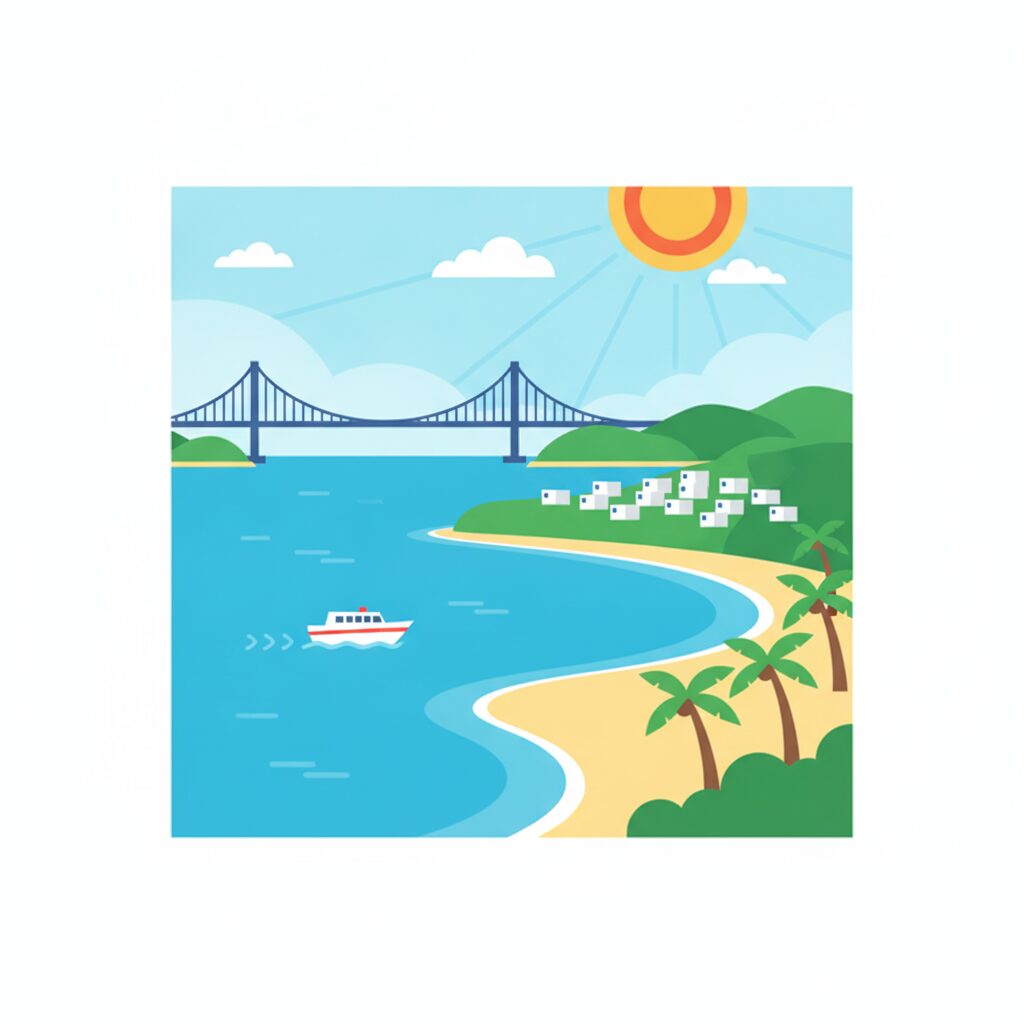
That bridge means everything. It’s the world’s second-longest suspension bridge, an impressive engineering marvel, but to an Osakan, it’s a psychological gateway. Driving from the urban sprawl of Kobe toward Awaji, the cityscape falls away abruptly. One moment you’re navigating the Hanshin Expressway, a concrete serpent threading through a jungle of buildings. The next, you’re suspended over open water, the vast sky above and the sparkling sea below. The city’s roar fades into the whistle of the wind. This shift isn’t gradual; it’s abrupt and definitive. This is essential to the Osaka mindset. City life is intense, a constant hustle. Relaxation can’t be slow or gentle. It has to be a switch you can flip. The bridge is that switch. By the time you reach the far side, you’re not just physically on an island—you’re mentally in a different realm. The stresses, deadlines, and social demands of the city don’t cross that bridge with you.
A Practical Paradise, Not a Pristine Wilderness
A foreigner might picture an island escape as a journey to some untouched, wild paradise. That’s not Awaji, and that’s exactly why Osakans cherish it. Awaji’s nature is accessible, manageable, and above all, functional. It’s a landscape of rolling hills blanketed in onion fields, not dense, impenetrable forests. Its coastline is dotted with fishing villages and family-friendly beaches, not dramatic, inaccessible cliffs. This speaks directly to the jitsuyō-teki, or practical, spirit of the Osaka people. They don’t just want to admire nature; they want to utilize it. They want a beach where kids can safely build sandcastles. They want parks with ready-to-use barbecue pits. They want a scenic coastal road that’s easy to drive. Awaji offers all this without affectation. It’s nature tamed and made convenient for a family day out. It’s the perfect, pragmatic answer to the question, “Where can we go this weekend that’s easy, fun, and won’t break the bank?”
The Unspoken Rituals of the Awaji Run
To fully appreciate the Awaji experience, you need to look beyond the destination and focus on the journey itself. The trip is a ritual—a portrayal of suburban Kansai family life unfolding every sunny Saturday morning on the highways heading south from Osaka.
The Family Minivan: A Kingdom on Wheels
While many people in central Osaka live without cars, suburban families cherish their vehicles. The preferred ride for the Awaji trip is the minivan—the Toyota Alphard or the Nissan Serena. These aren’t status symbols like luxury sedans might be in Tokyo; they are marvels of practicality. On Saturday mornings, these vans are stuffed to capacity—not with fancy weekend bags but with blue tarps, folding chairs, portable grills, and coolers filled with barley tea and ice. They serve as mobile command centers for a day of serious leisure. This self-reliance is a source of pride. Why rent a grill when you can bring your own? Why buy drinks when you can bring them from home? It’s not about being cheap but about being savvy and independent. It embodies the Osaka merchant spirit applied to a family outing: seek the best value, be well-prepared, and rely on yourself. The journey stands as a declaration of freedom from the city’s constraints, with the well-packed van as the ultimate tool for that freedom.
Kuidaore on the Coast: The Real Destination
Here’s an essential truth about Osaka: food is never just part of the trip—food is the trip. The culture revolves around the concept of kuidaore—to eat until you drop, or bankrupt yourself. An Osakan will drive two hours to Awaji, savor a specific bowl of sea urchin and rice, and consider the day a complete success. The scenery was pleasant, the drive enjoyable, but the true mission was the meal.
This is where Awaji really excels. The island is a culinary treasure trove. You have Awaji beef, which can rival its more famous Kobe counterpart. You have the incredibly sweet onions, a local delicacy often seen hanging from the eaves of farm stands. But above all, you have the seafood. Driving along the coast, you’ll spot tiny, modest fishing ports. Hidden within are restaurants, often little more than a few tables in simple settings, serving fish caught just hours before. Osakans possess encyclopedic knowledge of these spots—they know which port is best for tai (sea bream), which offers the freshest shirasu (whitebait), and where to find the best grilled octopus. Conversations about a trip to Awaji inevitably focus on what was eaten, not what was seen. This food-centered perspective is one of the biggest distinctions between Osaka and Tokyo. In Tokyo, you might visit a museum and then find a good place to eat nearby. In Osaka, you decide what you want to eat, and that dictates the entire day’s plan. Awaji makes the perfect stage for this culinary passion.
Embracing the Weird: How Osaka Laughs with Awaji
Over the last ten years, Awaji Island has undergone an unusual transformation. The Pasona Group, a major corporation, has heavily invested in developing a series of strange, large-scale attractions, mostly along the island’s west coast. There’s a gigantic Hello Kitty head you can dine inside, a Godzilla museum where you can zipline into the monster’s mouth, and a theme park dedicated to the anime series Naruto. A first-time visitor from abroad might find this confusing or even off-putting. It can seem like a tacky, commercial interruption on an otherwise beautiful island.
From Mythical Gods to Anime Ninjas
What makes this contrast so striking is Awaji’s profound historical and spiritual importance. In Japan’s oldest creation myths, the Kojiki, Awaji is the very first island created by the gods Izanagi and Izanami. It is, quite literally, the mythological birthplace of the Japanese archipelago. The Izanagi Shrine on the island is believed to be the oldest in the nation. So how does a culture that reveres this history also embrace a giant, fire-breathing Godzilla? This is where you witness the uniquely Osakan ability to hold two opposing ideas simultaneously without any sense of contradiction.
The “Nande ya nen!” Philosophy
The Tokyo reaction to something like a Hello Kitty restaurant on a historic island might be a quiet, intellectual critique of its commercialism or a dismissive remark about its lack of taste. The Osaka reaction is more likely to be a hearty laugh and a loud, “Nande ya nen!?“—the quintessential Osaka dialect phrase meaning everything from “Why?!” to “You’ve got to be kidding me!” It’s not a refusal. It’s an expression of amused disbelief. There’s no pretense that these attractions are high art. Osakans see them for exactly what they are: goofy, oversized, and somewhat hilarious. And because Osaka is a city built on entertainment, the main question is not “Is it tasteful?” but “Is it fun?” The answer is usually yes. This absence of snobbery, this eagerness to engage with both the high-brow and the low-brow with equal enthusiasm, is quintessential Osaka. A foreigner might misinterpret this as a lack of sophistication, but it’s actually a profound lack of pretense. It’s the confidence to enjoy things without worrying about what your enjoyment might imply about you.
The Real Itinerary is No Itinerary
So, how do you plan the perfect Awaji escape like a local? The key is to avoid overplanning. The true essence of the trip lies in improvisation and embracing simplicity. It’s a deliberate rejection of the hyper-scheduled, train-timetable-driven lifestyle that dominates much of urban Japan.
The Art of the Coastal Drive
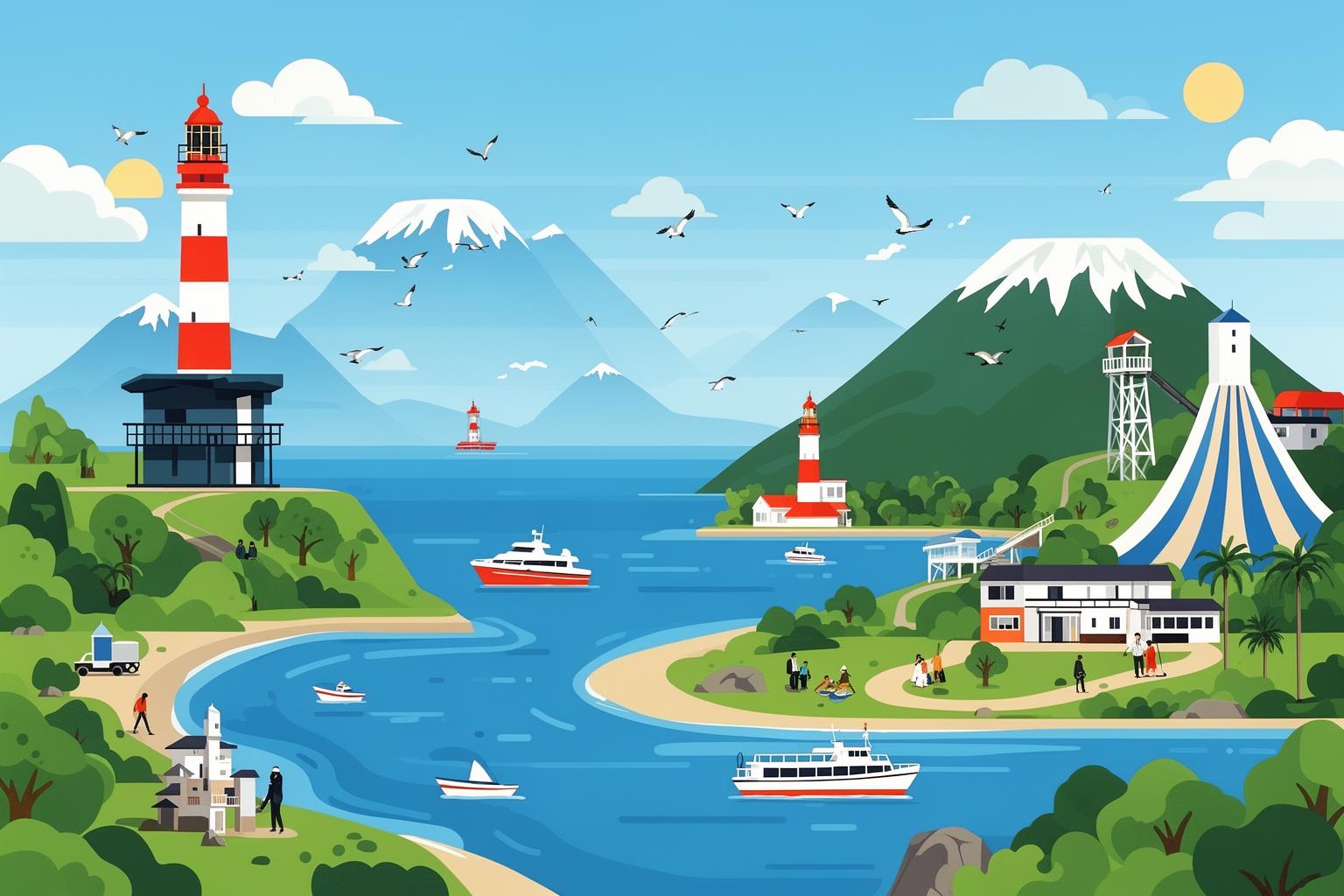
The Osaka way is to have a loose goal, not a strict itinerary. “Let’s find a good seafood spot on the west coast.” “Let’s see if we can discover a quiet beach near the Naruto Bridge.” The plan is the drive itself. You get in the car, put on some music, and follow the coastline. You stop whenever something catches your eye—a charming café, a scenic viewpoint, a roadside stall selling citrus fruit. This freedom is the essence of the trip. It’s about reclaiming a sense of spontaneity that gets lost in the daily grind. Foreigners, often accustomed to maximizing their time with detailed schedules, may find this lack of direction perplexing. But for an Osakan, the aimlessness is the goal. It’s about spending a day where nothing is demanded of you, where the only choice is whether to turn left or right.
It’s a Stage for Connection
Ultimately, the island serves as just a backdrop. The real purpose of the Awaji trip is to connect with family and friends. It’s about the conversations in the car, the shared laughter over a ridiculously fresh piece of sashimi, the simple joy of watching your kids run into the surf. In the cramped confines of urban Osaka, quality time can be scarce. Awaji offers the space—both physical and mental—for these connections to unfold. The trip isn’t about collecting experiences or Instagram photos; it’s about strengthening bonds. This communal focus is a hallmark of Osaka culture, which often values group harmony and shared enjoyment over individual pursuits. The perfect day on Awaji leaves you feeling closer to those you traveled with.
To see Awaji Island merely as a tourist destination misses the point entirely. It is a cultural narrative written in coastal roads, onion fields, and family-filled minivans. It reveals the core values of the people of Osaka: their grounded pragmatism, their passionate love for good food, their amused acceptance of the quirky, and their deep belief that the best moments in life are simple and shared. The next time you feel the weight of the city, the relentless energy of the Osaka hustle, you’ll understand what that whisper of “Awaji” truly means. It’s the city exhaling, preparing for the week ahead.