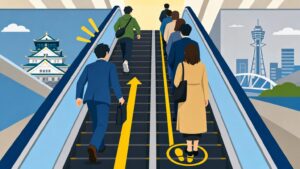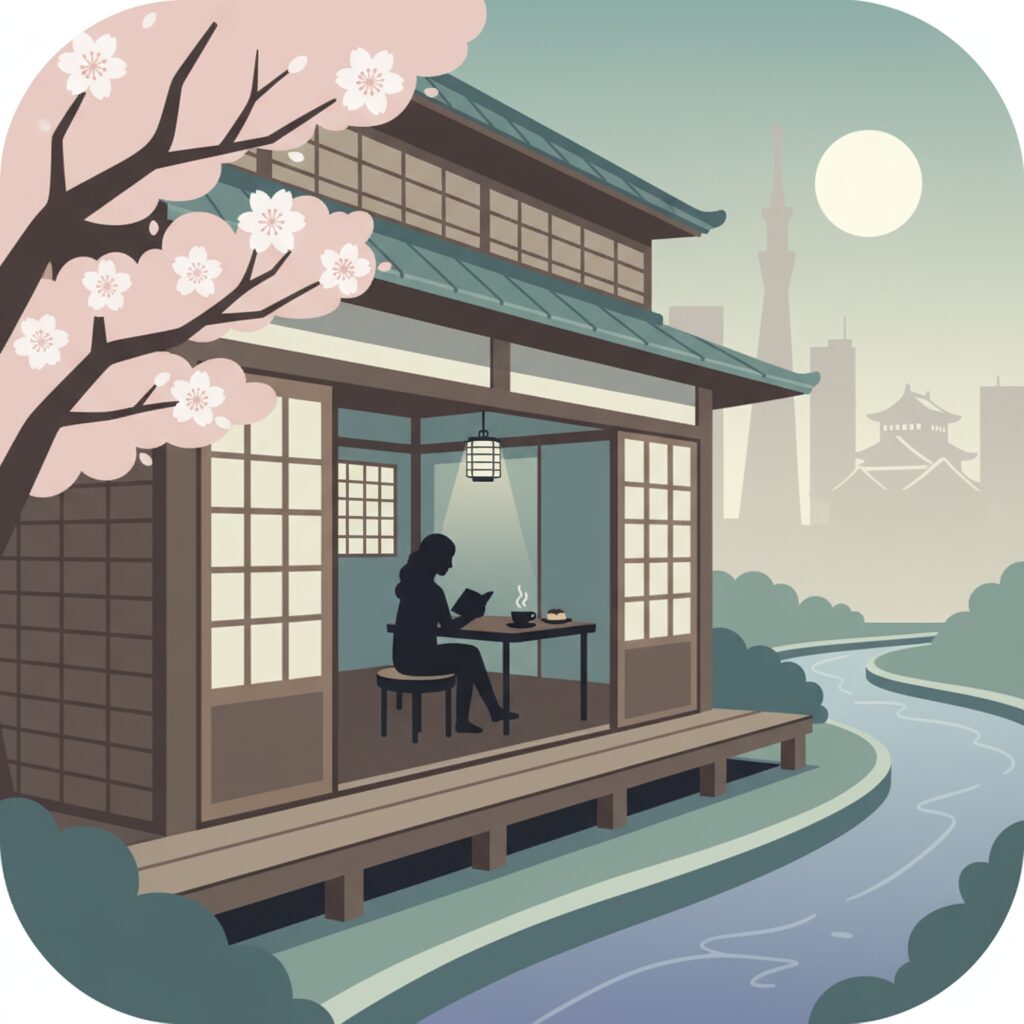
The image of Osaka is a thunderclap. It’s the sizzle of takoyaki on a hotplate, the neon glow of the Glico Man running forever across his Dotonbori finish line, the roar of a Hanshin Tigers crowd shaking a stadium to its foundations. It’s a city that moves with a percussive, forward momentum, a place of commerce and comedy, where conversations are loud and wallets are open. For the newly arrived foreign resident, this energy is electric, intoxicating. But when the dust settles and daily life begins, a new question emerges, whispered over the hum of a laptop in a cramped apartment: where do you go for a moment of quiet?
The rise of remote work has transformed this question from a simple preference into an essential need. We’re all searching for that third place, a sanctuary that is neither the focused pressure of the office nor the distracting comfort of home. In Tokyo, the answer often presents itself in a sleek, minimalist package—a corporate chain cafe with designated power outlets, reliable Wi-Fi, and an unspoken agreement of mutual anonymity. You plug in, you work, you leave. It’s efficient, clean, and utterly impersonal. But try to apply that same logic to Osaka, and you’ll find yourself hitting a cultural wall. The city’s pulse, its very soul, beats differently. To find your workspace oasis here, you can’t just look for a plug socket; you have to learn to read the city’s more subtle, residential rhythms. You have to ride the train. Not just any train, but the deep maroon carriages of the Hankyu Line, a railway that functions less as simple transport and more as the central artery of a distinct, and distinctly quieter, Osakan lifestyle.
This isn’t a list of the top ten cafes with the fastest internet. This is a guide to understanding the cultural landscape of Osaka’s suburbs, a journey into the neighborhoods that cling to the Hankyu tracks like pearls on a string. It’s an exploration of the mindset that values community over convenience, conversation over silent productivity, and a good “Morning Service” over a hastily grabbed paper cup. Along these lines, stretching north and west from the urban vortex of Umeda, lies an entirely different Osaka—one where the city exhales, where life unfolds at a human pace, and where a quiet corner table can feel less like a temporary office and more like a welcome home.
By venturing beyond the familiar quiet of a remote work cafe along the Hankyu Line, you can also deepen your connection with local traditions as you explore insights like Kishiwada Danjiri festival etiquette that highlight Osaka’s unique communal spirit.
The Hankyu Kingdom: More Than Just a Train Line
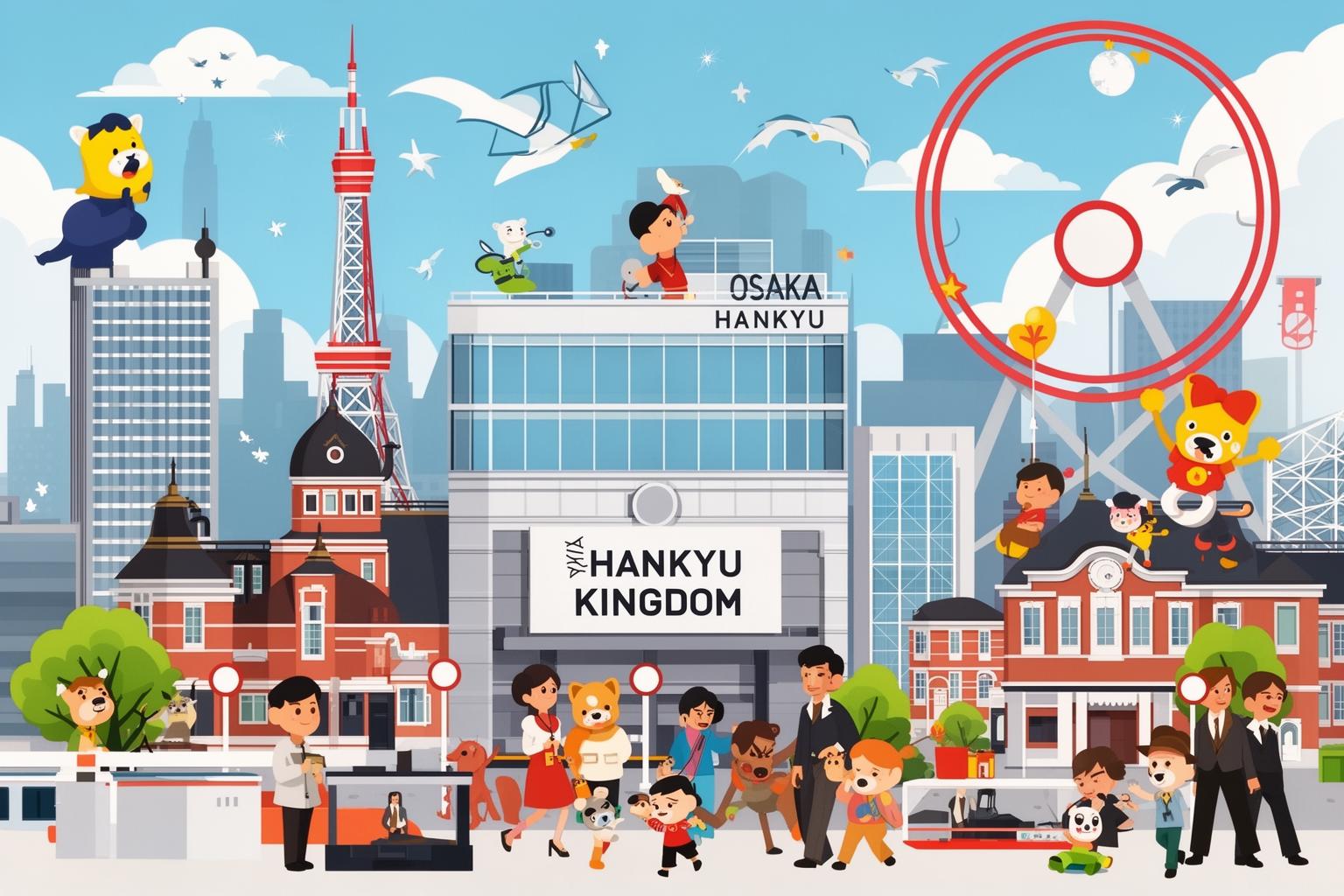
To truly understand the suburbs, you must first grasp the train that shaped them. In Japan, railway companies are not just utilities; they are cultural creators, and none exemplify this more than Hankyu. In the early 20th century, its visionary founder, Ichizo Kobayashi, introduced a groundbreaking business model. He didn’t merely lay tracks from point A to point B. Instead, he purchased vast, inexpensive agricultural lands along the proposed routes and developed the destinations himself. He built aspirational residential neighborhoods, complemented them with elegant department stores, and even established world-class entertainment, most notably the all-female Takarazuka Revue. He wasn’t just selling a train ticket; he was offering a lifestyle. The outcome is what locals refer to as the “Hankyu Kingdom,” a self-sustaining ecosystem of living and leisure.
This historical background gives the Hankyu lines a distinctive character unlike the utilitarian, state-run JR lines or other private railways. There is an aesthetic harmony and quiet pride. The trains themselves reflect this: adorned in their iconic polished maroon, with gleaming wooden interiors and plush olive-green velvet seats. Riding a Hankyu train feels less like commuting and more like being a guest in an elegant, mobile drawing room. This philosophy extends to the stations and the surrounding towns, which appear thoughtfully planned, curated, and rich with a sense of place. This cultural foundation nourishes the local cafes—they are not random spots that emerged to serve a transient crowd but essential parts of a community designed for long-term living.
This integrated mindset contrasts sharply with Tokyo’s sprawling metropolis—a complex web of intersecting lines run by a dozen different companies. A Tokyo address is often defined by its proximity to a station on the Yamanote Line, but the cultural identity of that station can vary block by block. In Osaka, telling someone you live near the Hankyu Kobe Line or the Takarazuka Line conveys subtle social and cultural nuances. It implies a preference for a certain lifestyle—slightly more relaxed, greener, and perhaps a touch more refined than the raw commercial hustle of the city center. This is the world you enter as your train glides away from the cavernous Umeda station, leaving behind the city’s roar.
Decoding Osaka’s Cafe Culture: It’s Not About the Grind
Before you even enter a cafe, it’s important to adjust your expectations. The Tokyo style of cafe-as-office—a quiet, hyper-efficient environment for digital nomads—is the exception rather than the rule in Osaka’s suburbs. The local cafe culture is deeply rooted in a much older, more communal tradition.
The “Kissaten” Spirit vs. The Digital Nomad Hub
The spiritual predecessor of the suburban Osaka cafe is the kissaten, the traditional Japanese coffee house. These were places from an era before laptops, where the main activities involved reading a newspaper, sharing quiet conversations, and, most importantly, enjoying a carefully crafted cup of coffee—often brewed with the theatrical flair of a siphon or the slow precision of a flannel drip. The emphasis was on the experience, the ambiance, and the flavor. The owner, or “Master,” was both a craftsman and a gracious host, the calm center of the room’s world. This spirit continues today. Many independent cafes, even those with a modern appearance, operate with a kissaten heart. They see themselves as providers of comfort and community, not as coworking spaces. Productivity is your concern; hospitality is theirs. This fundamental difference in philosophy explains why you might be met with a chilly response if you settle in for five hours with just one Americano. It’s not about being unfriendly; it’s about a purpose mismatch. The space is regarded as a shared living room, and occupying a corner for half a day can feel, to the owner and regulars, like breaking an unspoken social contract.
The “Morning Service” Mindset
Nothing better illustrates the community-focused nature of the Osaka cafe than the tradition of “Morning Service,” or simply “Morning.” From opening until around 11 a.m., ordering a coffee entitles you to a complimentary or heavily discounted breakfast set. The typical offering includes a thick slice of fluffy toast (shokupan) with butter, a hard-boiled egg, and a small cabbage salad. This is not merely a promotional trick; it is a cultural ritual. It serves to transform the cafe into a neighborhood hub. It’s for local retirees who gather daily to read the newspaper, the shop owner from down the street grabbing a quick bite before opening, the stay-at-home parent enjoying a quiet moment after the school run. The “Morning” is a statement of value beyond just money. It says, “We are part of your daily life. We are here for you.” It builds a sense of loyalty and familiarity that sustains these small businesses. For the remote worker, it’s an opportunity. Taking part in this ritual, even once, shows you appreciate the pace of the place. You’re not just an anonymous laptop user; you’re a patron engaged in a local tradition.
A Station-by-Station Guide to Suburban Sanctuaries
As you travel along the Hankyu lines from Umeda, the character of the city changes with each stop. The key is finding the right balance for you—a place that provides the quiet you need without feeling entirely isolated. The following descriptions are not endorsements of specific cafes, but rather examples of the experiences you’ll encounter as you explore.
Juso: The Gritty Gateway
Just one stop from Umeda, Juso is far from a quiet suburb. It’s a chaotic, lively, somewhat rough transportation hub, a maze of train lines, smoky izakayas, and pachinko parlors. It feels like a distilled version of Osaka’s tough merchant spirit. So why start here? Because even amid the noise, you can discover pockets of refuge. Tucked away on a side street, away from the bustle of the main shotengai, you’ll find old-school kissaten. The air inside is thick with the memories of decades of cigarette smoke and the rich scent of dark-roast coffee. The velvet seats are worn, the lighting dim, and the patrons are elderly men playing shogi. This kind of place is a poor choice for a Zoom call, but ideal for writing, thinking, or simply disappearing. Working here is an immersive experience, a reminder that Osaka’s tranquility often exists not in the absence of chaos, but in the quiet spaces carved within it.
Mikuni: The Residential Retreat
A couple more stops up the Takarazuka Line brings you to Mikuni. The city noise suddenly softens, replaced by the gentle rhythm of residential life. There are no major attractions here, no tourist crowds—just quiet streets, small parks where children play, and the occasional rumble of a passing train. The cafes here are genuine neighborhood spots. Picture a small, sunlit space with mismatched wooden furniture and shelves filled with books and local pottery. The owner is a friendly woman in her fifties who knows most customers by name and inquires about their families. The Wi-Fi might not be lightning-fast, and outlets may be few, but the welcome is heartfelt. Working in a cafe in Mikuni is about feeling part of the local community. You’re not an anonymous freelancer; you are the “person with the laptop who comes on Tuesdays.” This is where Osaka’s friendly curiosity really shines. Don’t be surprised if the owner strikes up a conversation. It’s not an interruption; it’s an invitation—a reflection of the city’s deep-seated belief in human connection (tsunagari).
Toyonaka & Hotarugaike: The Balanced Suburb
Further out lie suburbs like Toyonaka, a sizable city on its own, and Hotarugaike, the transfer point for Osaka’s domestic airport. These areas offer a middle ground. They are more developed and affluent than Mikuni, home to families, university students, and professionals. The cafes here often mirror this mix. You’ll find more modern, spacious establishments designed with remote work in mind. They might feature large communal tables with built-in power strips, clearer policies on long stays, and menus offering lattes and avocado toast alongside traditional siphon coffee. These places have successfully merged the new demands of work culture with Osaka’s old spirit of community. You might see Osaka University students studying beside mothers chatting after school drop-off. These cafes showcase the pragmatic, adaptable nature of Osakans, who recognize new needs and find ways to meet them without losing their essence as neighborhood gathering spots. It’s the ideal sweet spot for those who need reliable infrastructure but still want a local atmosphere.
Ikeda & Minoh: The Nature Escape
At the far ends of the Takarazuka and Minoh branch lines lie towns that seem a world away from Umeda’s concrete jungle. Ikeda, home of the Cup Noodles Museum, and Minoh, known for its scenic waterfall, are where the city meets the mountains. Life here moves at a slower pace, guided more by the seasons than by train timetables. Cafes in these areas often embrace their natural surroundings. Imagine a cafe with large windows overlooking a lush garden, or a log-cabin-style building nestled at the start of a hiking trail. The focus is on relaxation and escape. These are places to spend a full day, perhaps working deeply for a few hours in the morning and then taking a walk in the woods in the afternoon. The atmosphere is calm and restorative. This stands as a powerful counter-narrative to the idea that urban life in Japan must be a relentless grind, showing that in Osaka, a healthy work-life balance can be just a 30-minute train ride away.
The Unspoken Etiquette of Cafe Work in Osaka
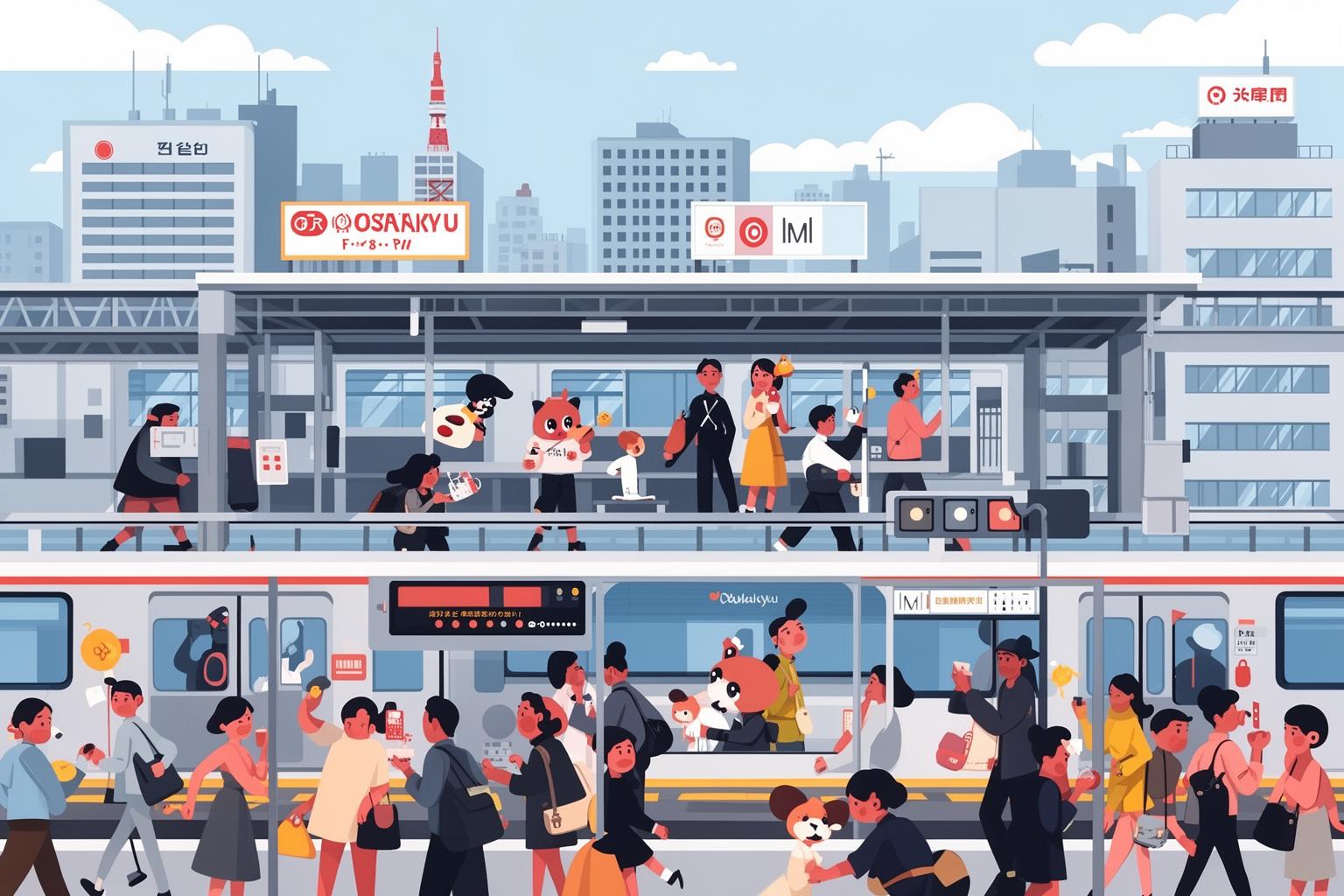
Navigating these environments successfully requires an understanding of the unspoken rules. It’s less about following a strict list of dos and don’ts and more about embracing a mindset of respect and mutual consideration.
Read the Room (Kuuki wo Yomu)
This is the fundamental rule of all social interaction in Japan and especially important in a cafe. Before you open your laptop, take a moment to observe. What is the atmosphere like? Is it a tiny, 10-seat kissaten where the only sounds are the turning of newspaper pages and the clink of a spoon against ceramic? This is probably not the right spot for you. Or is it a larger, brighter space with background music and the soft murmur of conversation, where others are visibly working? Then you’re likely in the clear. Gauge the situation. If you are uncertain, it’s perfectly fine to ask the staff, “Koko de pasokon o tsukatte mo ii desu ka?” (Is it okay to use my laptop here?). Their response will give you all the information you need.
Mind Your Time and Your Tab
In a small, independent cafe, the owner isn’t just running a business—they are crafting an experience. Every seat is precious. The unwritten social contract implies a fair exchange: you get to enjoy their comfortable space, and they receive your patronage. Nursing a single ¥400 coffee for four hours breaks this agreement. A good guideline is to order something new every 90 minutes to two hours. If your visit spans lunchtime, order a meal. Think of it less as paying rent and more as showing appreciation and supporting a local business that enhances the neighborhood. This gesture will be noticed and appreciated much more than you might expect.
Sound and Space
This should be obvious, but it’s worth reiterating. Never take a voice or video call at your table. It is viewed as highly rude and disruptive. Your work conversations aren’t meant to be public entertainment. If a call is unavoidable, step outside. Always wear headphones, and keep the volume low enough that it doesn’t leak out. Also, be considerate of your physical space. Don’t spread your papers, chargers, and extra monitors over a table meant for four. Keep your workspace neat and contained. The aim is to blend in, not to dominate.
Engage (or Don’t, But Be Polite)
Unlike Tokyo, where service is often impeccably polite but reserved, service in Osaka frequently includes a touch of personality. The cafe owner might comment on the weather, ask where you’re from, or compliment your Japanese. This is not an intrusion—it’s a welcoming gesture. You’re not obligated to engage in long conversations, but a warm smile and a friendly, simple reply will go a long way. When leaving, a cheerful “Gochisosama deshita, oishikatta desu!” (Thank you for the meal, it was delicious!) does more than express gratitude. It recognizes the person who made your coffee and provided a space of comfort. It completes the hospitality cycle and makes you a welcomed guest, not just a paying customer.
Why the Suburbs Tell the Real Story of Osaka
Living in Osaka and experiencing only the frenetic energy of Namba and Umeda is like reading just the first chapter of a long and captivating book. The true essence of the city, the texture of everyday life, is found in the quiet residential streets, the lively local shopping arcades, and the warm neighborhood cafes of its suburbs. Working remotely from these places is more than a practical solution to a modern issue; it is a form of immersive, observational fieldwork.
From your corner table, you become a witness to the unscripted drama of daily life. You observe the neighborhood’s rhythm: the morning rush, the midday calm, the after-school chatter, the evening stillness. You hear the distinct cadences of the Kansai dialect, not as a comedic stereotype, but as the authentic soundtrack of a community. You come to value the Osakan emphasis on the human element—the belief that business should be personal, that worth extends beyond price, and that a city is ultimately a collection of people striving to live well together.
The Hankyu suburbs, with their unique mix of historical charm and modern convenience, provide the perfect perspective on this other side of Osaka. They reveal a city that is not only loud but also gentle; not only practical but proud of its aesthetic legacy; not solely focused on transactions but deeply committed to community ties. So, the next time you need to leave your apartment for a place to work, don’t just opt for the nearest chain. Buy a ticket, board one of those elegant maroon trains, and ride until the city’s noise fades away. In a small cafe on a quiet street, you’ll find more than just a desk for the day—you might discover the true Osaka.