You’ve settled into Osaka. You’ve conquered the train system, you have your favorite takoyaki stand, and you can tell the difference between the Midosuji and Yotsubashi lines without looking at a map. But then you encounter a new frontier: the world of high-end Japanese dining. You’ve heard of kaiseki, that multi-course marathon of meticulous artistry, and you’ve probably had your share of amazing sushi. But there’s another word you keep hearing in reverent tones, especially in the glittering alleys of Kitashinchi or the food-obsessed backstreets of Namba: Kappo. You walk past a place—a simple noren curtain, a heavy wooden door, no menu in sight. You peek inside and see a long, polished counter, a chef moving with focused grace, and a handful of customers watching, talking, and laughing. It looks exclusive, maybe even intimidating. Is it like a super-formal sushi bar? Is it a private club? What exactly is happening in there?
This is a common puzzle for many foreign residents, and the answer gets to the very heart of what makes Osaka tick. Kappo is not just a style of dining; it’s a philosophy. It’s a direct, unpretentious, and deeply personal conversation between a chef, the season’s best ingredients, and you. Forget the silent, almost temple-like reverence you might find in a top-tier Tokyo establishment. An Osaka Kappo counter is a stage, a workshop, and a living room all in one. It’s where the city’s famed “kuidaore” culture—the spirit of eating until you drop—transcends gluttony and becomes a sophisticated, interactive art form. Understanding Kappo is understanding the Osaka mindset: a deep appreciation for quality without the fuss, a love for honest conversation, and a belief that the best things in life are shared directly, face to face. This is where you see the real soul of the “Nation’s Kitchen” come to life, not in a museum-like display, but in a dynamic, delicious performance right before your eyes.
As you savor the interactive spirit of kappo dining, embracing Osaka cycling culture can provide an equally immersive glimpse into the city’s vibrant everyday life.
What Exactly is Kappo? More Than Just a Chef’s Table
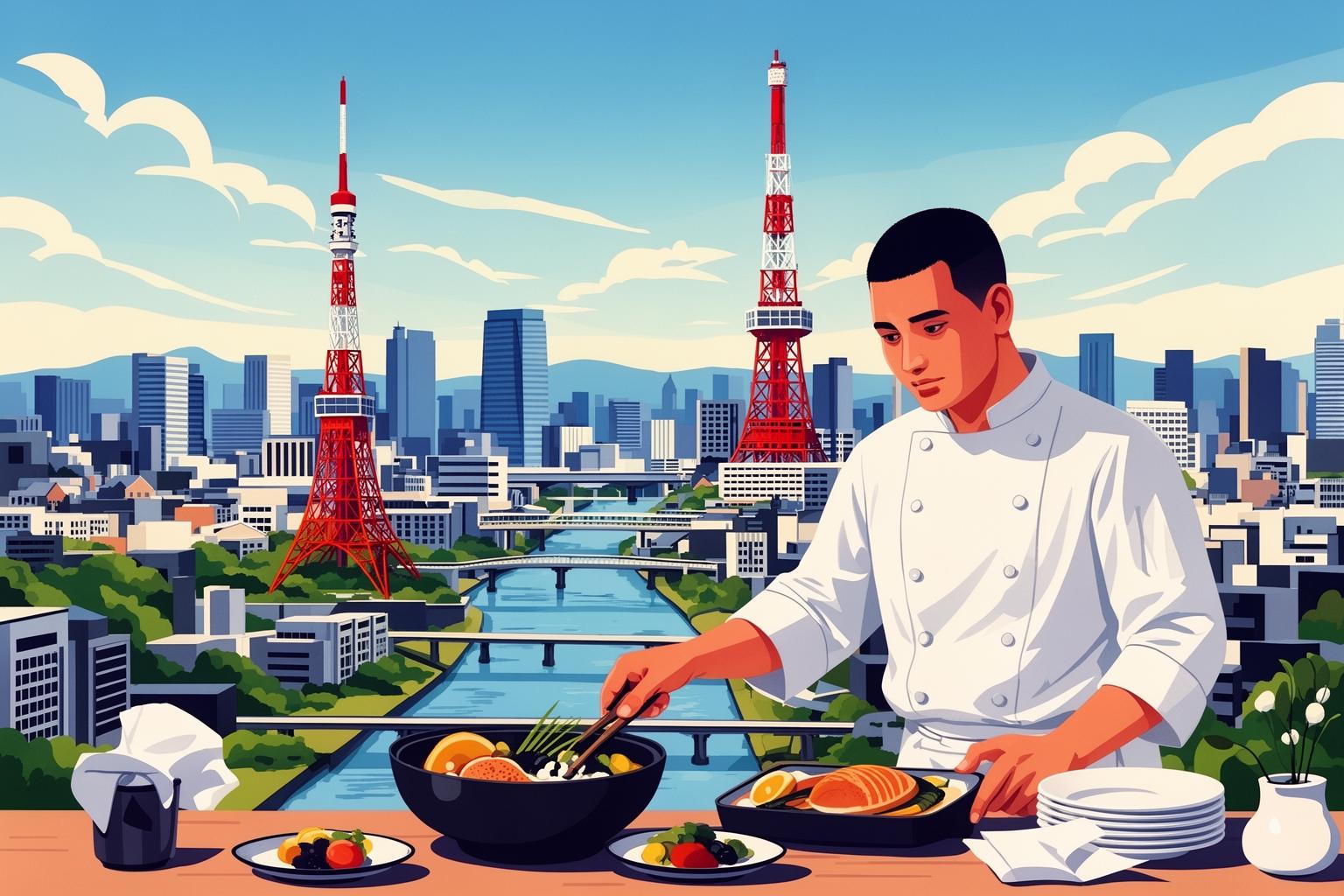
To truly understand it, you need to break down the word itself. It’s both a language and cooking lesson combined, unveiling the fundamental principles of this culinary style. The experience is personal, immediate, and completely transparent, reflecting a key aspect of Osaka’s character.
Cutting and Simmering: The Literal Meaning
The word Kappo consists of two kanji characters: 割 (katsu or kap) and 烹 (pō). The first character, 割, means “to cut,” typically associated with a knife. This refers to preparing raw ingredients, such as slicing sashimi or finely chopping vegetables. It emphasizes precision, skill, and presenting the ingredient in its purest form. The second character, 烹, means “to simmer, boil, or cook.” This encompasses all heat-based techniques—grilling over charcoal, simmering in dashi, steaming, or frying. Together, they mean “cutting and cooking.” It’s a straightforward name that tells you everything: this is a cuisine style where the essential acts of preparation take center stage. Unlike French restaurants with hidden kitchen brigades or kaiseki establishments where dishes arrive fully assembled from a secretive kitchen, Kappo puts the whole process on display. The action itself is the attraction.
The Counter as a Stage, Not a Wall
The physical setup of a Kappo restaurant is crucial to its identity. It’s almost always focused around a single, pristine counter, typically made from a beautiful wood like hinoki cypress. You sit at this counter just a few feet from the chef, called the Taisho. This closeness is intentional—it’s the core of the experience. The counter isn’t a barrier separating you from the kitchen; it’s the stage where the culinary drama takes place. You hear the sharp, rhythmic tap-tap-tap of the knife on the cutting board. You smell the rich aroma of fish grilling over binchotan charcoal, flames licking the skin until it crisps. You see steam rising from a pot of delicate broth as the chef carefully plates a simmered daikon radish. This is a fully immersive sensory experience. It embodies Osaka’s preference for openness and directness. There are no secrets or tricks behind closed doors. You see the quality of the fish before it’s sliced and witness the care with which your dish is assembled. It’s an honest, confident cooking style that says, “Here is what I do, and I am proud to show you every step.”
The Kappo Counter and the Osaka Mindset
Sit at a Kappo counter long enough, and you’ll begin to realize you’re not merely learning about food. You’re receiving a masterclass in the Osaka way of thinking, communicating, and conducting business. The interactions, atmosphere, and the very philosophy of the meal reflect a microcosm of the city’s culture, sharply contrasting with the more reserved nature often associated with Tokyo.
“Honma ni?”: The Conversation is the Main Course
In many upscale Tokyo sushi restaurants, a respectful silence dominates. The emphasis is entirely on the master’s craft, and conversation is usually minimal. It’s an environment of reverence. Step into an Osaka Kappo, and the mood shifts completely. The air buzzes with conversation, laughter, and lively exchanges. The counter acts as a bridge for communication. Asking the Taisho, “What’s fresh today?” or “Where is this fish from?” is not only accepted but expected. It serves as the starting point for dialogue. The chef might share stories about their morning market trip, the fisherman who caught the exquisite tai (sea bream), or why a particular bamboo shoot is available only for two weeks a year. Regular patrons chat with the chef about baseball, business, or family. They even converse with each other across the counter, creating a temporary community for the night. This reflects Osaka’s general communication style. People here are direct, curious, and enjoy a good exchange. They value genuine interest and are eager to share their knowledge and passion. Whereas the silence of a Tokyo counter can feel like a barrier, the gentle hum of an Osaka Kappo feels like a warm welcome.
Value for Money, Osaka Style: “Mokkari-makka?”
There’s a well-known, somewhat stereotypical greeting among Osaka businesspeople: “Mokkari-makka?” which roughly means “Are you making a profit?” It highlights how central business, commerce, and good value are to the city’s identity. But this isn’t about being cheap. Osaka’s notion of value is about receiving a truly satisfying, high-quality experience for the money spent. People here have keen judgment for quality and little patience for pretension. This attitude is clearly reflected in Kappo dining. While it can be pricey, the chef’s aim is to ensure you feel you’ve received something genuinely worthwhile. Portions tend to be more generous than those in Tokyo. The chef isn’t merely serving a tiny, abstract piece of art on a plate; they are feeding you. Their goal is for you to leave full, happy, and feeling that your yen was well spent. A Tokyo chef might pursue a Platonic ideal of flavor, an intellectual exploration of taste. An Osaka Taisho focuses on a more visceral, human goal: your complete and utter satisfaction. They might notice your fondness for the grilled eel and add an extra piece to your rice bowl or pour you a generous glass of sake they believe you’ll appreciate. It’s about cultivating a relationship based on generosity and trust, the cornerstone of good business in Osaka.
Navigating the Unspoken Rules of an Osaka Kappo
For someone new, the freedom and interaction offered by a Kappo restaurant can be both refreshing and confusing. There are no written rules, yet an unspoken etiquette exists. Grasping this flow is essential to unlocking the best possible experience and forging a deeper connection with the culture.
It’s Not “Omakase” in the Strict Tokyo Sense
Many foreigners know the term omakase, meaning “I leave it up to you.” In Tokyo, this often implies a rigid, predetermined course meal where the chef designs a perfect progression of dishes and you simply receive them. It is a one-way delivery of the chef’s vision. In Osaka Kappo, however, the experience is much more fluid and interactive. While many places offer a course, it frequently serves as a starting point for dialogue. The Taisho observes you, gauges your reactions, and adjusts accordingly. If they notice your eyes lighting up at fresh abalone, they might offer to prepare it as an extra course. If you mention disliking a certain ingredient, they will effortlessly substitute it. Many Kappo restaurants also allow for okonomi, or à la carte ordering. You can point to the beautiful ingredients laid out on the counter and request them prepared to your preference—grilled, simmered, or raw. This flexibility is a hallmark of Osaka’s culture, which values adaptability and individuality over strict convention. It’s less about following a perfect script and more about an elegant improvisation between you and the chef.
How to Be a Good Customer (and Get the Best Experience)
Being a good guest at a Kappo restaurant means participating actively, not just consuming passively. Your involvement shapes your experience directly.
Engage, Don’t Just Observe: The Taisho is an artisan, proud of their craft and ingredients. Show your interest. Ask where the vegetables come from. Praise the knife skills. Inquire about the unique ceramic piece your sashimi is served on. This isn’t being intrusive; it’s expressing respect and curiosity, and the chef will often reward it with deeper explanations, enhanced service, and perhaps even a special taste they’ve reserved.
Trust the Taisho: Although you have freedom, trust remains the foundation of the experience. If the chef suggests the grilled nodoguro (blackthroat seaperch) tonight, it’s because it’s the finest option available. Responding with “Sounds great, please!” will earn far more respect than insisting on something out of season. Let their expertise guide you, and you’ll discover flavors you might never have chosen yourself.
Pace Yourself: A Kappo meal is a journey, not a race. It is meant to be enjoyed over a few hours. Don’t rush your food. Savor your sake, watch the kitchen’s performance, and engage in the flow of conversation. This is your evening’s entertainment, not just a quick stop for nourishment.
Mind Your Neighbors: The counter fosters a shared, communal environment. While conversation is welcomed, be mindful of your volume and the chef’s attention, as they often serve multiple guests simultaneously. Contribute to the pleasant hum of the room, rather than becoming its sole focus. It’s about being a considerate neighbor in a small, temporary village centered on food.
Kappo as a Reflection of Daily Life in Osaka
Beyond the exquisite cuisine and distinctive atmosphere, Kappo restaurants play a vital social role in Osaka. They are deeply embedded in everyday life, serving as community centers and reflecting the city’s historical identity as a hub of commerce and culinary culture.
The Neighborhood Hub
Although some well-known Kappo restaurants are destination spots, many more are cherished local institutions. These are the neighborhood venues where business owners entertain clients, where doctors and lawyers relax after a long day, and where couples quietly celebrate anniversaries. Over time, you become a regular, a joren-san. The Taisho knows your name, recalls your favorite fish, and inquires about your work. It’s a connection that goes well beyond a mere transaction. In a sprawling metropolis like Osaka, these places offer a crucial sense of community and belonging, contrasting sharply with the anonymity often found in other large cities. Finding “your” Kappo spot is a rite of passage for many residents, signifying that you’ve truly made this city home. It becomes your third place—a welcoming and dependable retreat between office and home.
From Market to Counter: The “Kitchen of Japan” in Action
Osaka has long been known as Tenka no Daidokoro, or “The Nation’s Kitchen.” Historically, it served as the central hub where rice and goods from across Japan were gathered and distributed. This heritage fostered a culture with a highly refined palate and an obsession with fresh, top-quality ingredients. Kappo represents the most straightforward and sincere expression of this tradition. Chefs build their reputations on sourcing the finest products from land and sea. Many Taisho start their day at dawn, personally visiting the central market or their trusted network of fishmongers and farmers to select ingredients. The menu is never fixed; it is a daily reflection of what is at its absolute best. The beauty of Kappo lies in the fact that no mediocre ingredient can hide. There are no heavy sauces or elaborate techniques to mask the quality. The chef simply takes a perfect piece of fish, a flawless vegetable, or a sublime cut of meat and uses their skill to bring out its best qualities. This is the essence of Osaka’s confidence: a belief that when you begin with the best, you don’t need to shout about it. The quality speaks for itself.
So, You Want to Try Kappo in Osaka?
By now, the concept of Kappo should seem less like an intimidating fortress and more like an inviting opportunity. It’s a gateway to a more authentic, personal side of life in Osaka. Still, knowing where to begin can be tricky. Here’s how to take that first step.
Breaking Down the Intimidation Factor
Entering a small, quiet restaurant without an English menu might feel overwhelming. However, the barrier to entry is lower than you might expect.
Start with Lunch: Many upscale Kappo restaurants serve lunch sets at a fraction of their dinner prices. This offers a fantastic, low-risk way to enjoy the quality and ambiance without a large financial commitment.
Use a Reservation Service or Concierge: Don’t hesitate to seek assistance. A hotel concierge or a Japanese-speaking friend can easily secure a reservation for you. They can also communicate any dietary restrictions or preferences in advance, which chefs truly appreciate. This helps ensure a smooth and enjoyable experience.
Learn a Few Key Phrases: Fluency isn’t necessary, but a few words can show respect and enthusiasm. Simple phrases such as “O-susume wa nan desu ka?” (What do you recommend?), “Kore,ものすごく美味しいです!” (Kore, monosugoku oishii desu! – This is incredibly delicious!), and a sincere “Go-chiso-sama deshita” (Thank you for the wonderful meal) at the end will be warmly welcomed.
A Final Thought on the Osaka Welcome
Ultimately, the person behind that pristine counter is not a distant, untouchable master. They are a proud artisan, a dedicated host, and often a warm and engaging individual who genuinely wants you to fall in love with their food and city. The Kappo experience is perhaps the purest form of Osaka hospitality. It’s not the loud, formulaic greeting you might find at a chain izakaya. Instead, it’s a subtle, personal welcome earned through mutual respect and shared curiosity. It’s a conversation that unfolds over several hours, through exquisite flavors and warm smiles. When you sit at a Kappo counter, you are not just a customer. You are a guest, invited to witness a performance of skill and seasonality. It’s where you don’t just taste the best food Osaka has to offer; you experience the true heart of Osaka.