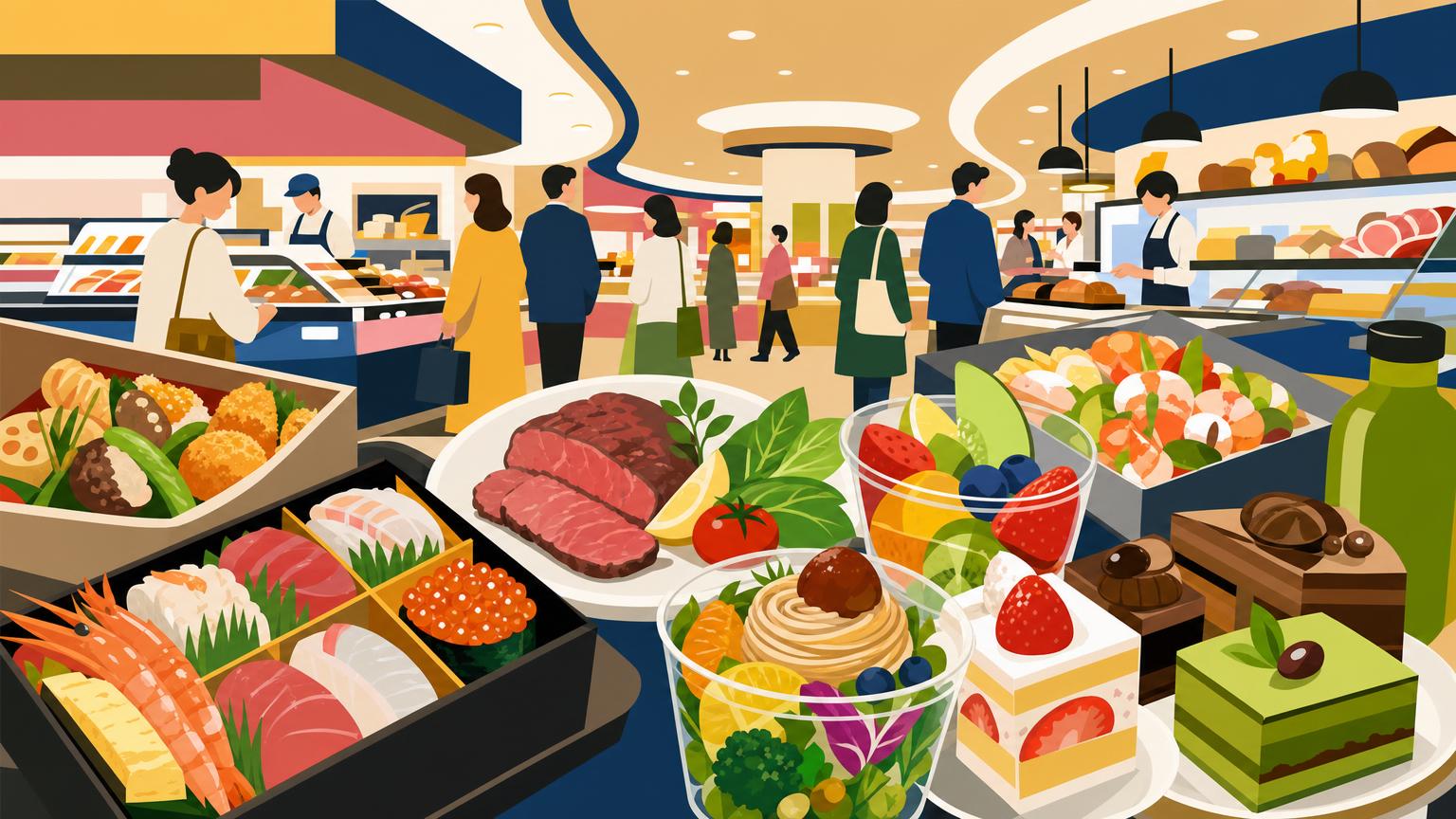
The beat of Osaka is different. It throbs. It pushes. It does not wait for you to catch your breath. You step off the train at Umeda station, and the current of humanity sweeps you forward. You are not just a visitor here; you are an active participant in a grand, chaotic, and beautifully orchestrated ballet of daily survival. For those of us who have chosen to make this sprawling metropolis our home, the initial shock of the city eventually gives way to a profound appreciation for its underlying rhythms. Osaka is a city that lives and breathes through its stomach. It is a place where commerce and culinary passion intersect at every street corner, every train station, and most importantly, deep underground in the subterranean labyrinths known as the depachika.
Living in Osaka as a non-Japanese resident presents a unique set of challenges and revelations. When you first arrive, the sheer volume of food available is intoxicating. The streets are lined with vendors selling takoyaki, the izakayas overflow with salarymen drinking highballs and eating deep-fried skewers, and the convenience stores tempt you with seasonal sweets at all hours of the night. It is easy to fall into a routine of convenient indulgence. But as the weeks turn into months, the novelty fades, and a very practical question emerges: How do you sustain a healthy, balanced, and diet-conscious lifestyle in a city famously nicknamed the kitchen of Japan, a place where the local motto is literally to eat until you drop?
The answer lies not in avoidance, but in curation. The answer lies beneath the surface of the city, in the meticulously organized, fiercely competitive, and overwhelmingly abundant department store food halls. Navigating these spaces is an art form. It requires an understanding of the local mindset, an eye for quality, and a strategic approach to selecting ingredients that nourish the body without sacrificing the incredible flavors that define this region. This guide is born from countless hours of observation, navigation, and tasting. It is an exploration of the Osaka way of life, seen through the lens of its most celebrated culinary institutions. We will explore how the people of this city think about food, how they interact with merchants, and how you can adopt their pragmatic, flavor-focused approach to craft meals that are both gastronomically spectacular and deeply respectful of your personal health goals.
Before we descend into the vibrant chaos of the food halls, let us orient ourselves. The map below highlights the epicenter of Osaka’s culinary and retail universe, providing a geographic anchor for our exploration of the city’s subterranean treasures.
What is a Depachika? Japan’s Ultimate Food Hall Experience
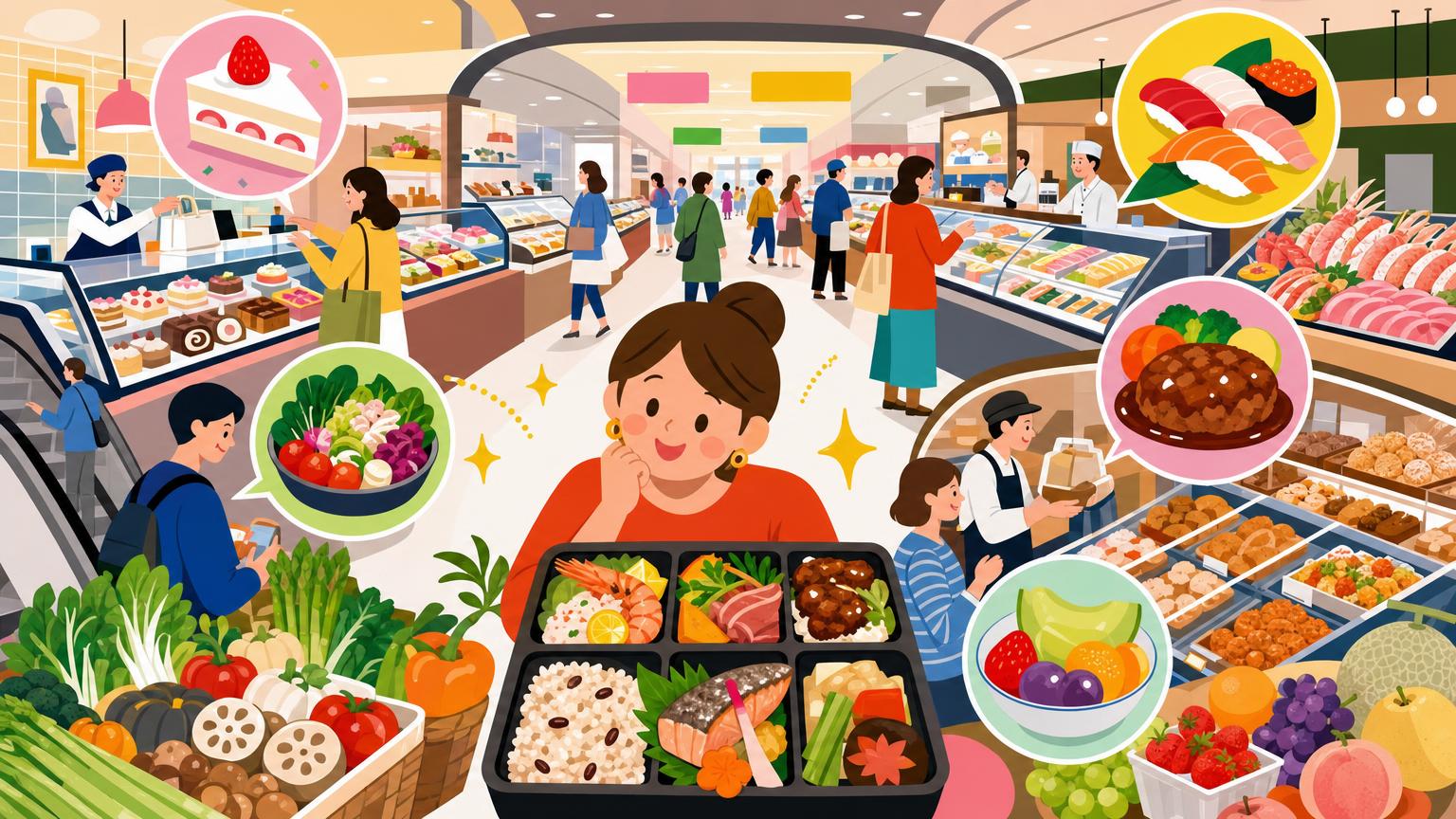
To truly grasp daily life in urban Japan, one must first understand the institution of the depachika. The term itself is a portmanteau, seamlessly combining two distinct ideas into a single, culturally significant word. “Depa” comes from the English word department store, while “chika” is the Japanese word for basement. Together, they refer to the expansive, upscale food markets located in the basements of nearly every major department store across the country. However, calling a depachika merely a grocery store or food court would be a vast understatement. It is a curated gallery of culinary mastery, a celebration of regional pride, and a daily arena where the most talented chefs, artisans, and vendors compete for the attention of a discerning clientele.
The depachika’s history stretches back to the early twentieth century, evolving alongside the growth of Japan’s railway networks. Department stores were deliberately constructed atop key transit hubs to capture the steady flow of daily commuters. Initially, the basements housed simple grocery sales, but as the post-war economy flourished and Japanese tastes became more refined, these underground spaces underwent a remarkable transformation. They turned into showcases for luxury items, imported delicacies, and exquisitely prepared ready-to-eat meals. Today, they form an essential part of the urban landscape, serving busy professionals picking up dinner on their way home, hosts searching for the ideal gift, and food enthusiasts hunting seasonal, limited-edition specialties.
Stepping off the escalator into a depachika brings an immediate and striking sensory change. The quiet, elegant ambiance of the upper floors, where luxury fashion and cosmetics are sold in subdued tones, is instantly replaced by a lively, vibrant energy. The lighting is bright and carefully designed to make the food appear irresistibly fresh and enticing. The air is filled with a complex, intoxicating blend of scents: the sweet, nutty aroma of roasted green tea, the savory, umami-rich fragrance of simmering dashi broth, the sharp, clean bite of vinegar from sushi counters, and the rich, buttery smell of freshly baked European pastries.
Navigating this environment demands attention. The layout resembles a maze of glass display cases, each presenting an array of colorful, meticulously arranged items. You will find vendors specializing in everything from single, elegantly packaged strawberries costing as much as a bottle of wine, to large slabs of marbled Wagyu beef, to delicate, jewel-like traditional sweets crafted to mirror the season. Counters dedicated solely to various types of tofu, rows of perfectly rectangular bento boxes, and delis offering side dishes ranging from classic simmered root vegetables to contemporary macrobiotic salads are common. For newcomers, the sheer variety can be overwhelming. Yet beneath this abundance lies a carefully structured system that caters to every possible dietary need and culinary preference—if you know where to look.
Why Osaka is the Best Place to Explore Depachika
While depachika can be found in every major Japanese city, the food halls of Osaka operate on a completely different wavelength. To grasp why, you need to consider the cultural DNA of the city itself. Osaka has long been known as tenka no daidokoro, meaning the nation’s kitchen. During the Edo period, it served as the central hub for the rice trade and the logistical core of Japan’s food distribution network. Ingredients from across the archipelago flowed through its ports and markets. This historical legacy has left a lasting mark on the local mindset. The people of Osaka are passionate about food. They take it seriously, but maintain a lighthearted attitude about themselves in the process.
This brings us to a key contrast between Osaka and Tokyo, a divide that explains much of the everyday behavior you will observe as a resident. Tokyo is a city of politics, administration, and strict social hierarchies. Its culinary scene is undeniably impressive, but often feels reverent, subdued, and heavily focused on status and appearance. A Tokyo depachika is a place of quiet sophistication, where interactions are formalized and the emphasis lies on immaculate presentation and brand prestige.
Osaka, in contrast, is a city shaped by merchants. It is characterized by commerce, practicality, and a notable absence of pretense. The Osakan lifestyle is captured in the concept of kuidaore, which roughly means to bankrupt oneself through extravagant spending on food. However, this is not about dining at Michelin-starred restaurants to display wealth; instead, it reflects a passionate, almost aggressive pursuit of flavor and value. Osakans demand high quality but refuse to pay inflated prices merely for branding. They want substance. They want generous portions. They want assurance that the vendor behind the counter is giving them a fair deal.
This merchant spirit fundamentally transforms the atmosphere of an Osaka depachika. It is louder and more engaging. Vendors are not silent attendants; they are salespeople who call out their daily specials in rhythmic, sing-song tones. They offer samples and engage customers in conversation. If you become a regular at a particular counter, they will remember your face, inquire about your family, and might even slip an extra piece of fried chicken or a larger scoop of potato salad into your order. This transactional warmth defines Osaka culture. Outsiders often mistake it for simple friendliness, assuming Osakans are naturally outgoing. In reality, it is a sophisticated social mechanism—it’s the grease that keeps commerce running smoothly. By swiftly breaking down barriers, building rapport, and providing tangible value, merchants secure customer loyalty.
Because the local consumer base is so discerning, Osaka’s depachika are fiercely competitive. Vendors selling mediocre food or charging too much simply don’t survive. Locals quickly detect inauthenticity and take their business elsewhere. Consequently, the city’s food halls offer an unmatched combination of exceptional quality and vast variety. They are not just places for luxury gifts; they are practical, everyday resources for eating well. When you learn to shop here with the keen eye of a local, you gain the ability to create meals that are deeply satisfying, culturally authentic, and perfectly suited to a diet-conscious lifestyle.
The Mindset of Diet and Wellness in Kansai Culture
Before we start choosing specific items, it is essential to reshape our understanding of what a diet-conscious meal looks like within the context of Japanese daily life. When people from Western cultures think about dieting, they often imagine strict elimination: cutting out all carbohydrates, banning fats, counting every calorie, or strictly following diets like keto or paleo. The approach in Japan, especially in the pragmatically minded Kansai region, is fundamentally different. It is not about elimination but about balance, harmony, and the intelligent use of ingredients.
The Japanese dietary framework is strongly influenced by the concept of ichiju sansai, meaning one soup and three sides. This traditional meal structure naturally encourages portion control and nutritional variety. Rather than eating a large portion of protein with a mountain of simple carbohydrates, you have a small bowl of rice, a bowl of miso soup for hydration and probiotics, a modest serving of fish or lean meat, and several small side dishes of simmered vegetables, seaweed, and fermented foods.
When shopping at the depachika with health in mind, your objective is to recreate this balance using the remarkable variety of prepared foods available. You seek ingredients that offer high nutritional value without excessive calories, embracing the essentials of the traditional Japanese pantry.
Take the humble soybean, for example. In a Western supermarket, tofu is often confined to a small health food shelf. In an Osaka depachika, entire counters are dedicated to artisanal soy products. You will find silken tofu so delicate it must be eaten with a spoon, firm tofu grilled over charcoal, yuba (the protein-rich skin formed when soy milk is heated), and natto (fermented soybeans known for their strong flavor and impressive cardiovascular benefits). These items provide clean, highly digestible plant protein that forms the base of a diet-conscious meal.
Similarly, it is important to appreciate the culinary strength of sea vegetables. Wakame, kombu, and hijiki are not mere garnishes; they are mineral-rich powerhouses that add deep, satisfying umami flavors without adding fat. Depachika delis are abundant with salads and side dishes that use these ingredients skillfully.
However, it is also crucial to be aware of hidden pitfalls in Japanese cooking. While the cuisine is generally very healthy, it heavily relies on a trio of flavor enhancers: soy sauce, sake, and mirin (a sweet rice wine). Additionally, many traditional simmered dishes, or nimono, contain surprising amounts of added sugar to create a glossy finish and a comforting sweet-and-savory taste. Sushi rice is also seasoned generously with vinegar, salt, and notably, sugar. If you are strictly monitoring carbohydrate intake, these hidden sugars can add up quickly. Locals balance these sweeter dishes with simpler preparations, choosing grilled fish (yakizakana) over fish simmered in a sweet soy glaze, or sashimi instead of nigiri sushi to avoid the sweetened rice altogether. This nuanced understanding of ingredients and preparation methods distinguishes the seasoned resident from the tourist.
Top Depachika to Visit in Osaka by Area
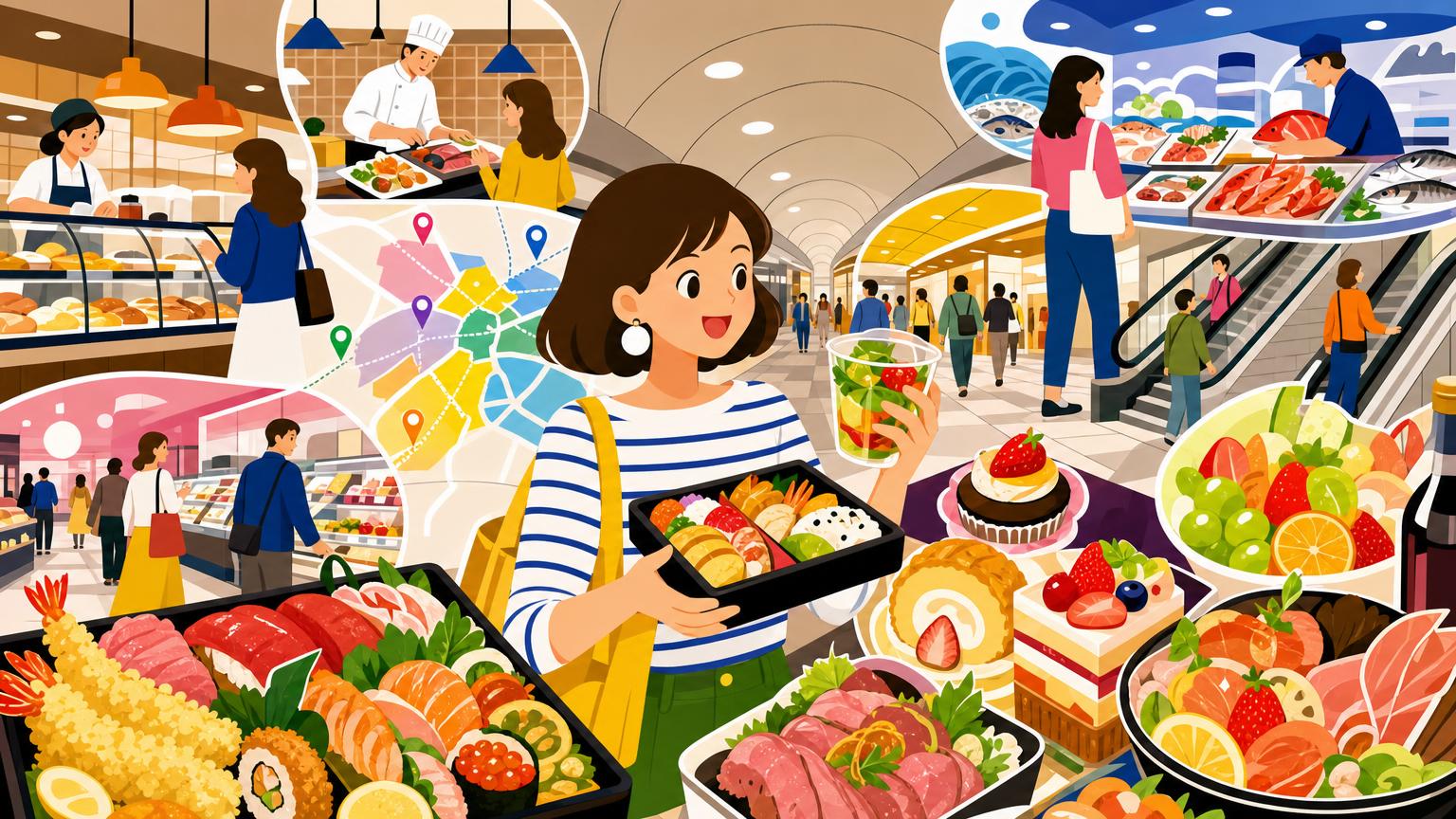
Osaka is an expansive, decentralized city centered around massive transit hubs. Each major terminal has its own unique character, and the department stores attached to them reflect the personality of their surrounding neighborhoods. To fully embrace the depachika lifestyle, understanding the city’s geography and the particular strengths of its retail giants is essential.
Hankyu Umeda Main Store: The King of Sweets and Elegance
Umeda, situated in the northern part of the city, is Osaka’s most modern and sophisticated district. It is a dense cluster of skyscrapers, luxury hotels, and vast shopping complexes. At the core of this district stands the Hankyu Umeda Main Store. Hankyu is more than a department store; it is a cultural institution that began as a railway operator, connecting Osaka’s gritty center to the affluent, leafy suburbs of Hyogo and Kyoto. To encourage travel, they built grand attractions at their terminals, including the renowned Takarazuka Revue theater company and, naturally, the flagship department store.
Hankyu Umeda’s basement is famed throughout Japan. It is widely regarded as the absolute pinnacle of luxury food retail. The aesthetic is grand, refined, and distinctly European in architectural style. The aisles are wide, lighting dramatic, and the displays are true artistic masterpieces.
Hankyu is best known for its sweets. If premium chocolate, delicate French pastries, or the finest seasonal wagashi (traditional Japanese sweets) are what you seek, this is the place to go. Competition for space is fierce, so only the very best brands worldwide maintain counters here.
From a diet-conscious viewpoint, Hankyu might initially seem perilous—it is a temple of sugar and butter. Yet, it is also the best place in the city to find high-end, pure ingredients. The tea merchants offer incredible varieties of matcha and roasted green teas that provide energy and antioxidants without calories. The fruit vendors sell seasonal produce of such exceptional quality it requires no embellishment. For those wanting a small, deliberate indulgence in their diet, Hankyu provides the highest quality ingredients available. A single piece of artisanal dark chocolate or a beautifully crafted wagashi made from subtly sweetened bean paste is a far better choice than a mass-produced, heavily processed snack. Hankyu teaches the value of quality over quantity.
Hanshin Department Store Umeda: A Paradise for Local Delis and Savory Bites
Directly across from the elegant Hankyu stands its great rival, the Hanshin Department Store. While Hankyu embodies the aspirational, affluent side of Kansai culture, Hanshin represents its working-class soul. The Hanshin railway lines connect Osaka to Kobe’s industrial areas, and the department store has historically served a more grounded, practical clientele. It is famously the favorite store of the fervent Hanshin Tigers baseball fans.
The atmosphere in Hanshin’s depachika is completely different from Hankyu’s—louder, more crowded, and immensely energetic. The focus here is not on delicate pastries or luxury gifts, but on savory, everyday foods. It’s a haven for local delis, fried foods, and hearty, satisfying meals. This is where you can see the real Osaka in action.
For those preparing daily meals, Hanshin is an indispensable resource. The sheer volume of side dishes (sozai) available is staggering. Walking the aisles, you can assemble a perfectly balanced, macrobiotic plate, discovering vendors selling gigantic mounds of hijiki seaweed salad tossed with edamame and tofu, freshly grilled salmon collars rich in omega-3 fatty acids, and vibrant arrays of pickled vegetables (tsukemono) essential for gut health.
Hanshin is also famous for its incredibly popular ikayaki (squid pancake) stand, which always draws long lines. While not exactly health food, it perfectly exemplifies the Osakan passion for fast, cheap, and deeply flavorful street food elevated to the department store level. Shopping at Hanshin requires discipline; the aromas of deep-fried pork cutlets and savory okonomiyaki can be overwhelming. You must navigate the space purposefully, utilizing the vast variety of healthy side dishes to build your meal, perhaps allowing one small savory indulgence to satisfy the soul.
Takashimaya Osaka (Namba): Traditional Flavors and Premium Bento
Heading south to the Namba district, you enter a completely different world. Namba is Osaka’s entertainment heart, neon-lit, chaotic, and intensely colorful. It is home to the famous Dotonbori canal, the massive Glico running man sign, and numerous theaters and comedy clubs. The energy here is raw and unfiltered.
Anchoring this vibrant district is the stately, historic Takashimaya department store. Housed in a beautiful, classic building with intricate architectural details, Takashimaya offers a calm oasis of tradition amidst Namba’s madness. Its depachika is renowned for deep ties to traditional Japanese culinary arts, especially those from neighboring Kyoto.
For premium bento boxes, Takashimaya is the premier destination. Bento culture in Japan is a fascinating study in nutritional balance and aesthetic presentation. A high-quality bento is never just food packed into a container; it is a meticulously designed landscape. Vendors at Takashimaya specialize in seasonal, multi-component boxes that align perfectly with a diet-conscious philosophy.
You’ll find bentos where rice is mixed with seasonal ingredients like bamboo shoots in spring or chestnuts in autumn, reducing glycemic load. Proteins are lean and prepared with care: grilled silver cod, steamed chicken with plum sauce, or delicate slices of roast beef. Compartments include colorful vegetables, tamagoyaki (rolled omelet), and pickles. Buying a premium bento here guarantees a balanced, portion-controlled, yet luxurious meal. Their selection of traditional Japanese ingredients—high-grade dried kelp, artisanal soy sauces, and premium miso pastes—is also unmatched, making it an excellent place to stock your home pantry for healthy cooking.
Daimaru (Shinsaibashi & Umeda): Historic Architecture Meets Gourmet Food
Daimaru has two major flagship stores in Osaka: one in Umeda and another in the fashionable Shinsaibashi district. The Shinsaibashi location is especially notable, featuring stunning architecture with a recently renovated Art Deco exterior and intricate interior details, while fully modernizing the retail space. Shinsaibashi is Osaka’s luxury fashion hub, attracting an international, style-conscious clientele.
Daimaru’s depachika mirrors this cosmopolitan vibe. It is less chaotic than Hanshin and less traditionally rigid than Takashimaya. It strikes a harmonious balance, offering a highly curated selection of Japanese and international gourmet foods.
For the diet-conscious shopper, Daimaru shines in high-quality proteins and fresh salads. Its butcher counters are spectacular, offering not just heavily marbled Wagyu but excellent cuts of lean domestic pork and beautifully prepared poultry. The deli section features modern Western-style salads infused with Japanese ingredients—quinoa with edamame and yuzu dressing, or roasted root vegetables with sesame glaze. Daimaru is ideal when you want a meal that bridges traditional Japanese nutrition and modern, global wellness trends.
Abeno Harukas Kintetsu (Tennoji): Massive Selection Below Japan’s Tallest Building
Further south lies the Tennoji district. Once considered gritty and working-class, Tennoji has undergone massive revitalization recently. The centerpiece is Abeno Harukas, formerly Japan’s tallest building. Its lower floors house the Kintetsu department store, whose depachika is enormous.
Because Kintetsu operates railway lines stretching deep into the southern prefectures of Wakayama, Nara, and Mie, its food hall showcases the agricultural bounty of these regions. This geographic link is important for the diet-conscious shopper. Wakayama is famed for citrus fruits and ume (plums), Nara for traditional pickles and persimmons, and Mie for incredible seafood and high-quality teas.
At Kintetsu’s depachika, you can source these regional, highly nutritious ingredients directly. The fresh produce section is extraordinary. If you want to build a meal around fresh, seasonal vegetables and pristine seafood, this is the place. Its vast floor space offers endless variety, with a relaxed, southern Kansai vibe that contrasts the intense, hyper-competitive atmosphere of Umeda. Here, you can take your time to inspect produce and genuinely appreciate the agricultural wealth of the surrounding provinces.
Must-Try Foods and Souvenirs at an Osaka Depachika
Now that we have mapped the territory, we need to focus on the specific elements that define the depachika experience. As a local resident, you learn to look beyond the flashy, tourist-focused packaging and recognize the foods that truly offer quality, flavor, and nutritional value.
Ekiben and Gourmet Bento Boxes
The bento box is the foundation of Japanese convenient dining. Although convenience store bentos are affordable and easy to find, they often contain preservatives, low-quality fats, and excessive sodium. Bentos from a depachika are a completely different category. They are freshly prepared each day with high-quality ingredients and designed to be eaten at room temperature without sacrificing flavor or texture.
When choosing a diet-conscious bento, the key factor is the balance of components. Look for the makunouchi style bento. Traditionally served during intermissions of Noh and Kabuki theater, the makunouchi bento represents the ideal of balance. It usually includes a modest portion of rice, topped with black sesame seeds and a single pickled plum to aid digestion. The remaining compartments contain a variety of grilled fish, rolled omelet, simmered vegetables (such as lotus root, carrots, and taro), and various pickles. This variety offers a broad range of nutrients, high-quality proteins, and complex carbohydrates within a carefully controlled portion size.
Avoid heavily fried options like large tonkatsu (fried pork cutlet) or karaage (fried chicken) bentos, which are tasty but calorie-dense and heavy in oxidized oils. Instead, opt for bentos with seasonal sashimi, steamed chicken, or grilled fish. The depachika bento is more than just a meal; it is a model of portion control and nutritional diversity, ideal for maintaining a healthy lifestyle in a bustling city.
Wagashi (Traditional Japanese Sweets) and Matcha Treats
Living in Osaka means you will often be invited to social gatherings, tea ceremonies, or business meetings where sweets are served. Additionally, everyone occasionally desires something sweet. The key to satisfying this craving without disrupting a healthy diet is to embrace wagashi, Japan’s traditional sweets.
Western pastries heavily rely on butter, cream, and large amounts of refined sugar. In contrast, wagashi are almost entirely plant-based. They are mainly made from sweet beans (azuki), rice flour (mochi), agar-agar (a seaweed-based gelatin), and seasonal fruits. While they do contain sugar, their fat content is nearly zero, making them significantly lighter and easier to digest.
The depachika is the ultimate showcase for wagashi artisans. You will find nerikiri, beautifully hand-sculpted sweets made from white bean paste, crafted to resemble seasonal flowers, leaves, or birds. You’ll encounter daifuku, soft mochi filled with red bean paste and whole, fresh strawberries. You’ll also see yokan, dense blocks of jellied sweet bean paste that pair perfectly with bitter green tea.
Enjoying wagashi requires a shift in mindset. They are not meant to be eaten in large quantities. They are designed to be savored slowly, in small bites, accompanied by a cup of high-quality matcha or roasted green tea. The bitterness of the tea complements the sweetness of the confection perfectly. This mindful, ritualistic approach to sweets—emphasizing aesthetic beauty, seasonal relevance, and slow consumption—is a highly effective way to manage sugar cravings while fully engaging in the local food culture.
Premium Japanese Fruits
One of the most surprising experiences for foreigners in Japan is walking into a depachika and seeing a single melon priced at ten thousand yen. The Japanese approach to fruit differs greatly from the Western perspective. In many countries, fruit is a cheap, bulk commodity eaten casually. In Japan, premium fruit is treated as a luxury item, a respected gift, and an agricultural art form.
Japanese farmers use extremely labor-intensive methods to cultivate fruit with flawless appearance and concentrated flavor. They may prune a tree so it produces only one fruit, directing all the plant’s energy and nutrients into that single specimen. The outcome is extraordinary: strawberries that are uniformly deep crimson and bursting with juice; peaches so soft and fragrant they must be handled delicately; and grapes with skins thin enough to snap gently between your teeth.
Although purchasing a luxury melon for everyday consumption is impractical, depachika fruit counters still offer slightly less perfect, everyday packs of these exceptional fruits at more reasonable prices. Including these fruits in your diet is a revelation. Because their flavor is so intense, a small amount is highly satisfying. A few perfect Japanese strawberries or a slice of seasonal persimmon make a far healthier and more rewarding dessert than processed pastries. This appreciation of natural sweetness aligns seamlessly with a whole-foods, diet-conscious philosophy.
Savory Street Food Style Delis (Takoyaki, Kushikatsu, Yakitori)
It’s impossible to discuss Osaka without mentioning its iconic street foods: takoyaki (octopus dumplings), kushikatsu (deep-fried skewers), and okonomiyaki (savory cabbage pancakes). The depachika brings these beloved street foods indoors, refining them and placing them alongside traditional deli items.
For the diet-conscious resident, these foods pose a challenge since they are inherently heavy—built on refined carbs, thick sweet sauces, and deep frying. However, complete avoidance is not the Osakan way. The key is integration and moderation.
If you want to enjoy these specialties, the depachika offers a strategic advantage. Instead of sitting down for a large plate of kushikatsu at a restaurant, you can buy just two or three high-quality skewers from a depachika deli. Pair them with a large seaweed and tofu salad from a neighboring counter. This satisfies the craving for rich, savory Osaka flavors without the excessive calorie intake.
You can also seek out healthier options. Yakitori (grilled chicken skewers) is an excellent, high-protein, low-carb choice. When buying yakitori at a depachika, you’ll often have a choice of seasoning: tare (a sweet-savory soy glaze) or shio (simple salt). The diet-conscious local always picks shio. It avoids hidden sugars in the glaze and lets the quality of charcoal-grilled chicken shine. By making these small, informed choices, you can fully enjoy the kuidaore culture without sacrificing your health.
Insider Tips for Enjoying Depachika Like a Local
Knowing what to buy is only part of the challenge. To genuinely live like a local in Osaka, you need to understand how to navigate the social and economic rhythms of the depachika. There are unspoken rules, strategic timing, and logistical realities that every experienced resident is familiar with.
Hunt for Evening Discounts (Time Sales)
To witness the true merchant spirit of Osaka, visit a depachika around 7:00 PM. At this time, the atmosphere shifts from courteous retail to a competitive, fast-paced event known as the time sale.
Japanese department stores are obsessive about freshness. Bentos, salads, and sashimi prepared that morning cannot be stored and sold the next day. As closing time nears, vendors must clear their inventory. Staff emerge from behind counters, armed with sheets of brightly colored stickers, marking down prices—starting modestly at ten or twenty percent off. As the clock approaches 8:00 PM closing time, discounts deepen to thirty percent, fifty percent, or even half-price.
This creates an interesting behavioral economic phenomenon. The aisles fill with office workers heading home, seasoned housewives, and budget-conscious residents. People linger near display cases, eyeing premium bentos, waiting for staff to approach with discount stickers. It’s a tense game of chicken: do you buy now at twenty percent off or wait and risk someone else purchasing it before the fifty percent discount appears?
For health-conscious shoppers, evening markdowns offer a fantastic opportunity. High-quality sashimi, premium salads, and carefully made bentos—items too expensive for a casual weekday dinner at full price—suddenly become affordable. You can get nutritious, gourmet food for the price of fast food. However, you must be decisive. In Osaka, hesitation means missing out. When you see a discount sticker on a beautiful piece of grilled fish or a complex vegetable salad, you must confidently reach for it. This thrilling and practical ritual perfectly captures the Osakan desire for top quality and a great bargain.
Where to Eat Your Depachika Haul (Rooftop Gardens and Parks)
One of the most surprising challenges for newcomers who buy a beautifully packaged meal from a depachika is figuring out where to eat it. The depachika itself is purely retail—there are almost no benches or tables, and eating while walking is a major social faux pas in Japan, seen as disrespectful to the food and those around you.
If you’re not taking your food straight home, you need to know where to go. Fortunately, almost every major department store in Osaka has a large, well-maintained rooftop garden (okujo teien). These rooftop spaces are the city’s hidden oases. You take the elevator to the top floor, step outside, and find landscaped greenery, open skies, and scattered benches and tables.
Eating your depachika haul in a rooftop garden is a quintessential local experience. It removes you from the bustling basement crowds and offers a peaceful setting to enjoy your meal. You’ll see office workers silently eating their discounted bentos, small groups sharing expensive sweets, and older couples enjoying the breeze.
Alternatively, on a pleasant day, you can take your food to one of Osaka’s parks. Nakanoshima Park, situated on a narrow island between two rivers in the city center, is an exceptional spot. Sitting on the grass, admiring historic architecture and flowing water while eating sashimi and simmered vegetables bought from nearby Daimaru or Hanshin, is a moment when Osaka’s chaos aligns into perfect harmony. It takes some planning, but knowing these public spaces is essential for comfortably enjoying the city’s food culture.
Navigating Tax-Free Shopping Counters
Though this guide is mainly from a resident’s viewpoint, it’s important to cover a practical matter for visitors or those without permanent residency. Japan offers an efficient tax-free shopping system for foreign visitors, allowing them to deduct the ten percent consumption tax on purchases over a certain amount (usually 5,000 yen).
If eligible, depachikas are a fantastic place to buy high-end edible souvenirs like premium tea, dried kelp, boxed wagashi, or Japanese whisky. However, navigating the tax-free process requires understanding each department store’s specific procedures.
Unlike smaller shops that deduct tax at checkout, large stores like Hankyu, Takashimaya, and Daimaru require you to pay full price at each individual food counter first. You then must keep all receipts and visit a dedicated tax-free counter (menzei counter), often located on a different floor near customer service or the top floor.
At this counter, you present your passport, receipts, and purchased items. The staff will refund the tax in cash or to your credit card and seal consumable products in a special plastic bag that cannot be opened until you leave Japan. Therefore, you can’t eat a bento for dinner and claim the tax back—it is strictly for goods you are exporting. Understanding this distinction and being prepared to navigate the dedicated counters saves frustration and lets you efficiently bring a taste of Japan’s culinary excellence home.
The Social Dynamics of Osakan Supermarket and Depachika Shopping
To truly immerse yourself in life in Osaka, you must become keenly observant of social dynamics. The behavior of people in a depachika serves as a small-scale reflection of Kansai culture. In Tokyo, personal space is strictly preserved, even when crowded. Eye contact is avoided, and apologies for accidental bumps are whispered almost imperceptibly. The social contract revolves around minimizing friction through silent, rigid compliance with invisible traffic lanes.
Osaka, however, operates differently. It is a tactile, vocal, and practical city. When navigating the narrow aisles of Hanshin during the evening rush, being bumped is inevitable. The response is not a cold, silent glare but typically a quick, vocal Sumimasen! (Excuse me!) paired with a slight nod before the person promptly moves on. There is no lingering resentment; it’s simply the reality of a crowded space.
Moreover, interactions with staff reveal the absence of pretense that characterizes the local mindset. In a high-end Tokyo store, customers might expect staff to maintain a perfectly deferential, almost robotic service style. The customer is king, placed above the transaction. In Osaka, merchants and customers are seen more as partners in a transaction. While customers expect good service, they also respect the vendor’s hustle. It’s common to hear casual conversations between customers and counter staff, with requests for honest recommendations. Kore, honto ni oishii? (Is this really good?), a customer might ask bluntly. The vendor, recognizing a fellow pragmatist, often drops the formal retail Japanese (keigo) briefly to give a straightforward answer. Kyo no maguro wa machigainai de! (You can’t go wrong with the tuna today!).
This linguistic shift is crucial to grasp. The local dialect, Kansai-ben, is not merely a different vocabulary; it carries distinct emotional weight. It is warmer, rougher, and more direct. When a vendor says Ookini (Thank you) instead of the standard Arigatou gozaimasu, it feels less like a scripted corporate phrase and more like a sincere expression of gratitude. As a foreign resident, learning to recognize and even use a few Kansai-ben words at the depachika counters is the quickest way to break down the invisible barrier between insider and outsider. It signals that you are not just a passing tourist but someone actively engaging with the city’s rhythm.
How to Construct the Perfect Low-Carb High-Protein Depachika Meal
Let’s immediately apply all this cultural and logistical knowledge in a practical way. Imagine you’re an expatriate living in Osaka, dedicated to fitness and following a low-carbohydrate, high-protein diet. After finishing an intense workout, you find yourself at the entrance of the Daimaru Umeda depachika. How do you assemble a meal that fits your goals without falling back on plain, repetitive chicken breasts?
First, completely skip the bakery and tempura sections. The aromas may be tempting, but stay focused. Head straight to the fresh seafood section (sengyo). Here, don’t buy sushi; choose sashimi instead. Look for small, beautifully arranged trays of katsuo (bonito) or maguro (tuna). Katsuo is extremely lean, rich in protein and iron, often seared on the outside (tataki) and served with sliced garlic and ponzu sauce, offering intense flavor with zero fat. Maguro supplies clean protein and essential omega-3 fatty acids. Pick up a tray.
Next, incorporate fiber and micronutrients to balance your meal. Go to the deli (sozai) section, but avoid potato and macaroni salads, as they’re heavily mixed with Japanese mayonnaise (which is tasty but calorie-dense). Instead, find a counter offering traditional obanzai (Kyoto-style side dishes). Opt for a generous serving of spinach in sesame sauce (horenso no goma-ae) or a salad made from crunchy burdock root (kinpira gobo). Burdock root is a fiber powerhouse that adds a deeply satisfying, earthy crunch.
Finally, add a secondary protein source and probiotics by locating the tofu specialist. Buy a block of high-quality silken tofu (kinugoshi tofu). No cooking is needed. Simply take it home, place it on a plate, grate fresh ginger over it, sprinkle with chopped green onions, and drizzle a small amount of premium soy sauce on top.
You’ve just crafted an exceptional meal: premium sashimi, fiber-rich traditional vegetables, and artisanal tofu. This meal offers large amounts of clean protein, healthy fats, and essential nutrients, all while keeping carbohydrates very low. Most importantly, it’s a meal that tastes distinctly and proudly Japanese, enabling you to relish the culinary heritage of your adopted city without compromising your health goals.
How to Construct the Perfect Vegan or Plant-Based Depachika Meal
Japan can be a notoriously challenging country for vegans and strict vegetarians. The cuisine depends heavily on dashi (a broth almost always made from fish flakes), meaning even seemingly innocent vegetable dishes often contain hidden animal products. However, the vast scale and variety of an Osaka depachika provide a safe haven for plant-based residents—if you know exactly what to look for and which questions to ask.
When curating a plant-based meal, the Hanshin department store is an excellent starting point due to its extensive selection of traditional, everyday ingredients. The basis of your meal will be soy. Visit the tofu counter, but skip the standard blocks. Instead, look for yuba. Yuba is the delicate skin that forms on the surface of heated soy milk. It is incredibly rich in protein and has a unique, slightly chewy texture that is deeply satisfying. You can buy it fresh (nama yuba) and enjoy it like sashimi with a bit of soy sauce and wasabi.
Next, proceed with caution through the deli section because of dashi. A beautifully simmered kabocha (pumpkin) might seem vegan but was almost certainly cooked in fish-based broth. To be safe, opt for salads dressed with vinegar or sesame rather than soy-based simmer sauces. A wakame seaweed and cucumber salad dressed in sweet vinegar (sunomono) is universally safe, refreshingly light, and highly nutritious.
For complex carbohydrates, seek out the specialized rice counters. Many depachika have vendors selling plain cooked rice by weight. Instead of regular white rice, request genmai (brown rice) or zakkokumai (mixed grain rice). These options provide essential fiber and a nutty, complex flavor that elevates a simple meal.
Finally, for dessert, the wagashi counter is your refuge. As noted earlier, traditional Japanese sweets are overwhelmingly plant-based. A piece of beautifully crafted nerikiri or a simple, perfectly chewy piece of matcha-dusted warabimochi (a jelly-like confection made from bracken starch) offers a deeply satisfying end to the meal, free from dairy or eggs. By relying on yuba, seaweed, mixed grains, and wagashi, the plant-based resident can dine like royalty in the subterranean food halls.
The Architecture of Temptation and Restraint
Living in Osaka teaches you that environment shapes behavior. The architecture of the depachika is expertly crafted to weaken your self-control. It is a psychological maze. The escalators lead you straight into the most visually captivating areas, typically the brightly illuminated, colorful pastry and sweets sections. The savory aromas are circulated through the ventilation system to lure you deeper into the deli areas. The aisles are deliberately narrow to slow your pace and encourage you to examine the products.
To thrive in this setting while maintaining a diet-conscious mindset, you must develop your own mental framework. You need to embrace the pragmatism of the local Osakan. You do not enter the depachika to wander aimlessly; you go in with a clear purpose. You memorize the layout of your neighborhood store perfectly. You know exactly where the fish counter is, the quickest path to the vegetable deli, and how to avoid the deep-fried temptations altogether.
However, this self-restraint is not about deprivation. It is about enhancing the experience of eating. When you choose to bypass heavy, processed foods and instead invest your money and calories in a small portion of perfect sashimi, a carefully prepared seasonal vegetable dish, and a single flawless piece of fruit, you engage in a higher form of culinary appreciation. You learn to savor the seasons, honor the ingredients, and grasp the deep cultural currents flowing beneath the city’s lively surface.
Osaka is a city that will feed you to the point of excess if you allow it. But if you learn to navigate its depths with intention, intelligence, and a discerning eye, it will nourish you in a way that satisfies both body and soul. The depachika is not merely a place to buy dinner; it is a classroom where you discover the true art of living in Japan’s greatest food city. It is a daily practice in curating a beautiful, balanced, and delicious life.