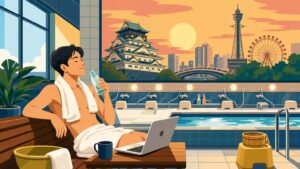
The blue light from your laptop screen paints the walls of your apartment, the only clock in the room the relentless blinking cursor in a sea of code and emails. Your workspace is your living space is your sleeping space. The lines have blurred into a single, monotonous hum of digital existence. In the age of remote work, we were promised freedom, but for many, it’s just a different kind of cage—one where the workday never truly ends. We search for a switch, a hard reset button to sever the connection and reclaim our minds. We download meditation apps, try pomodoro timers, and force ourselves on awkward walks around the block. But here in Osaka, there’s an analog, time-tested solution, steaming away in plain sight on a quiet neighborhood corner: the sento.
Forget the serene, mountain-nestled onsen you see in travel brochures. We’re not talking about a once-a-year luxury retreat. We’re talking about the local public bathhouse, the cornerstone of the community, the city’s collective living room. This isn’t about escaping life; it’s about grounding yourself right in the middle of it. For the remote worker in Osaka, the sento isn’t just a place to get clean. It’s a powerful tool for mental clarity, a non-negotiable boundary between the person who works and the person who lives. It’s the ultimate life hack, hiding behind a simple noren curtain, offering a profound sense of place and peace that no app can replicate. This is how you find your off switch in a city that’s always on.
For those seeking additional ways to disconnect, many locals enjoy a spiritual weekend reset at Koyasan that perfectly complements the sento’s grounding effect.
Beyond the Onsen: What a Neighborhood Sento Really Is
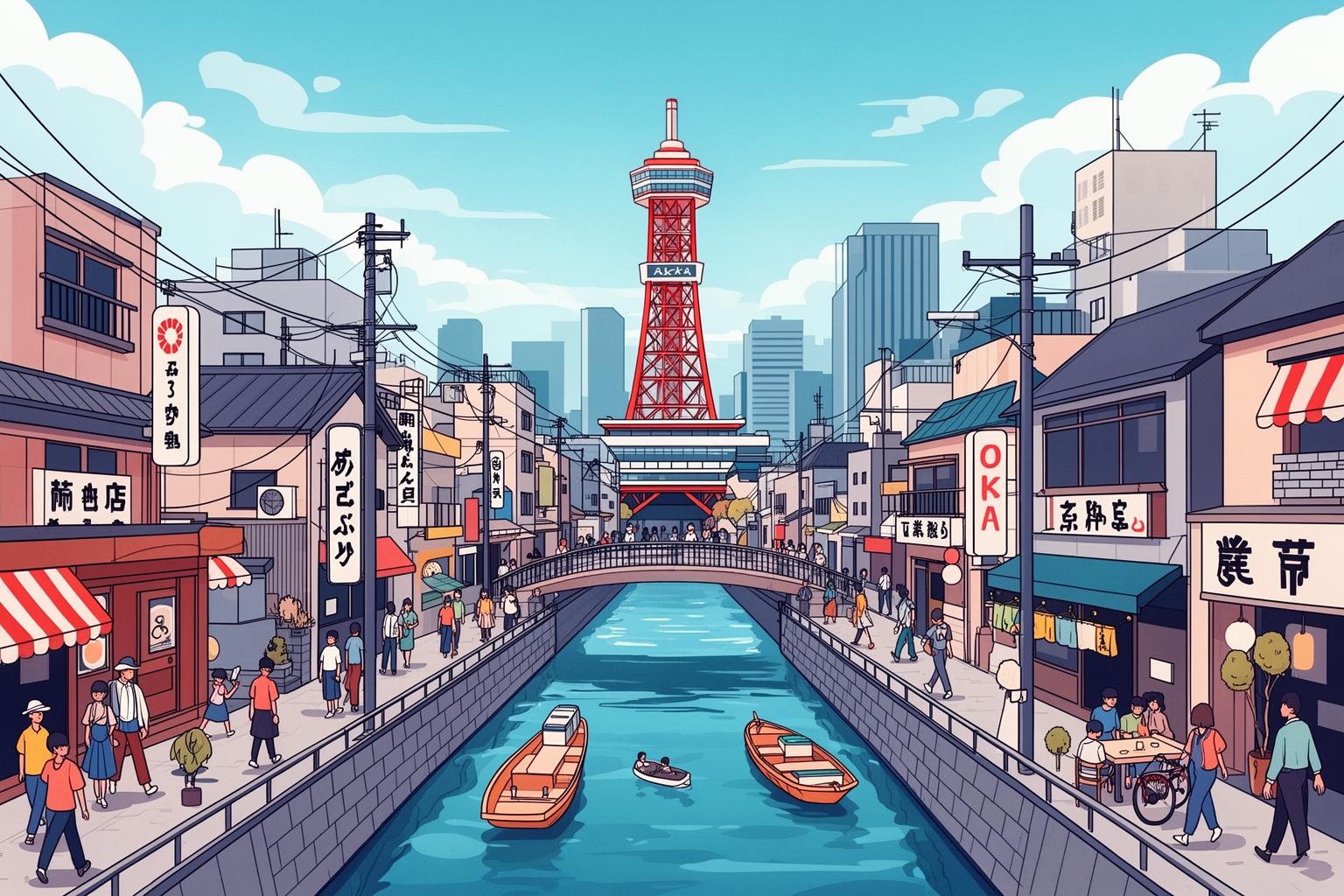
When foreigners first hear “public bath,” they often imagine one of two things: the pristine, Zen-like ambiance of a ryokan onsen or the sterile, chlorine-scented environment of a public swimming pool. An Osaka sento is neither. It’s something much more vital, lived-in, and deeply human. Grasping this difference is the key to unlocking its true meaning.
Not a Tourist Trap, But a Living Room
An onsen is a destination—you travel to it. Its main appeal lies in the geothermally heated, mineral-rich water, a gift from nature. A sento, by contrast, serves a practical purpose; it’s woven into the urban landscape and uses standard heated tap water. Though some modern “super sento” have introduced luxurious features, the traditional neighborhood sento in Osaka stands as a testament to function over form. It exists because, for decades, many homes lacked private baths. It was, and still is, an essential part of daily life.
Step inside one in a neighborhood like Tenma or Nishinari, and the atmosphere hits immediately. You’re not at a spa—you’re in a social hub. You’ll find elderly men, their bodies like maps of long lives, passionately discussing the Hanshin Tigers baseball game as they have for sixty years. You’ll see a young father patiently washing his toddler’s hair. You’ll hear the clatter of plastic washbowls on tiled floors and the soft buzz of neighborhood gossip. It’s noisy, steamy, and utterly unpretentious. This is hadaka no tsukiai—or “naked communication”—at its most authentic. It’s not some lofty philosophical ideal; it’s a tangible reality. When everyone is stripped of clothes, status, and job titles, a kind of egalitarian honesty takes hold. Here, a company CEO and a construction worker can soak in the same tub and commiserate over the humid summer heat as equals. This spirit reflects a core Osakan value—disdain for pretense and a preference for straightforwardness.
The ‘My Sento’ Mindset
In Tokyo, people might boast about a trendy new cafe. In Osaka, they talk about “my sento.” Locals are fiercely loyal to their neighborhood bathhouse. It’s more than a place to clean up; it’s an extension of home. They know the owner, have a favorite locker, and can tell which bath is the hottest. This feeling of belonging is grounded in comforting rituals.
The routine itself is meditative. You pay around 500 yen at the front desk, the bandai. You slip your shoes into a small wooden locker. You find your spot in the changing room, filled with the scent of soap and damp towels. You grab a plastic stool and washbowl and settle at the faucets along the wall. Only after scrubbing yourself thoroughly do you earn the right to enter the baths. Then comes the blissful release of sinking into steaming water. Afterward, post-bath rituals follow: ice-cold fruit-flavored milk in the classic glass bottle, drunk standing in your yukata; five minutes in a decades-old massage chair that rattles your bones for 100 yen. These small, repeated practices offer a profound sense of stability and comfort amid a chaotic world. It’s a reliable end to an unpredictable day.
The Sento as a Remote Work Reset Button
For those of us bound by a digital tether, the sento offers something nearly radical: a forced disconnection. Its greatest advantage in today’s world is a complete and total absence of connectivity. Your phone, your laptop, your worries—they all remain locked away. This isn’t merely a suggestion to unplug; it’s a built-in requirement.
The Art of the ‘Forced Disconnect’
The simple act of undressing and stepping into the bathing area acts as a powerful psychological cue. You are physically shedding the workday. The first splash of hot water doesn’t just rinse off dirt; it seems to wash away the mental residue of unanswered emails and looming deadlines. Deprived of its usual digital distractions, your brain is compelled to focus on the present moment. All you can do is feel the water on your skin, listen to the ambient sounds of the space, and allow your mind to wander.
This is when the magic occurs. Problems that once felt insurmountable at your desk begin to unravel. Creative ideas, suppressed by the pressure of focused work, rise to the surface. The sento creates a liminal space, an in-between state, where your subconscious can breathe. It’s a far more effective reset than scrolling social media or watching another streaming episode. Those are mere distractions. The sento is a cleanse. You emerge not only physically cleaner but mentally lighter. The knots in your mind loosen, allowing you to return to work—or better yet, end your day—with a renewed perspective.
Mid-Day Dip vs. Evening Wind-Down
The beauty of the sento routine lies in its versatility. In Osaka, a city known for its compact, human-scale neighborhoods, your local sento often lies just a five-minute walk away, making it a practical tool to break up your workday.
Consider the mid-day dip. You’ve hit a wall. A piece of code won’t compile, the words for a report won’t come. Instead of pushing through frustration, you close the laptop and head to the sento. Forty-five minutes later, you return. The hot water has improved your circulation, the mental break has lifted the fog, and suddenly, the solution becomes clear. It’s like a power nap for your entire nervous system, a productivity hack that feels indulgent.
Then there is the classic evening wind-down. This is the sento’s original purpose: to wash away the day and prepare you for rest. Using the sento after work marks a firm, non-negotiable boundary. Once you’ve visited the bath, the day is over. There’s no “just one more email.” The ritual offers a definitive full stop, signaling your body and mind to shift from work mode to rest mode. For a few hundred yen—less than a craft beer or a fancy latte—you are investing in genuine, restorative downtime. It’s the most cost-effective mental health plan in the city.
Navigating Sento Etiquette: The Osaka Edition
For newcomers, the idea of a public bath can feel intimidating, shrouded in a mystique of complex, unspoken rules. Although there is certain etiquette to observe, it’s based on straightforward common sense and mutual respect. In Osaka, moreover, these rules are often practiced with a distinctive pragmatism and flexibility that might take you by surprise.
The Unspoken Rules, Clearly Explained
The basic rule of any Japanese bath, whether sento or onsen, is this: you must wash your body thoroughly before entering the tubs. The large baths are meant for soaking and relaxing, not for cleaning. Think of it as a shared space—you wouldn’t want to soak in someone else’s dirt, and they don’t want to soak in yours. Find an available washing station—usually equipped with a faucet with a detachable shower head, a plastic stool, and a bowl—and wash yourself well with soap. A quick rinse won’t do; this requires a proper scrub.
Next is the towel matter. You’ll usually have a large towel for drying off in the changing room and a small, thin one to bring into the bathing area. This small towel serves several purposes: it can be used for scrubbing (though many prefer to bring a nylon washcloth), for modesty while walking around, and—most importantly—for wiping sweat from your brow. The one place it should never go is in the bath water. Doing so is a serious breach of etiquette. While soaking, most people either place the folded towel on their head or set it on the edge of the tub. Tattoos are a major concern for many foreigners. The common belief is that tattoos are always banned. While this is often the case at upscale onsen, fitness clubs, and some large sento, the reality in Osaka’s neighborhood sento is more nuanced. Many traditional, family-run establishments simply don’t mind or decide on a case-by-case basis. Osaka’s general approach is less about strict rules and more about individual character. The best strategy is to check a sento’s policy online if possible or just visit and find out. More often than not, if you are respectful and quiet, no one will object.
How to Interact (or Not)
You’ve got the procedures down; now for the social side. Is the bathhouse a silent, meditative spot or a lively social hub? The answer is both. There is no expectation that you must engage in conversation. Many people keep to themselves, lost in thought while soaking. A simple nod or a quiet “doumo” (a versatile word meaning “thanks” or “hi”) when someone makes way for you is perfectly acceptable.
However, this is Osaka. Don’t be surprised if an ojisan (older man) strikes up a chat about the day’s news or if an obachan (older woman) asks where you’re from. The threshold for casual conversation here is famously low. This isn’t intrusive—it’s a way of including you. They aren’t prying; they’re simply recognizing your shared presence in the community space. In Tokyo, a stranger initiating conversation might be viewed with suspicion. In Osaka, it’s just an ordinary part of the day. Respond with a simple smile and a few words, and all will be well. Or just nod politely if you’re not interested in talking. There’s no pressure. The sento reflects Osaka society: direct, straightforward, and fundamentally welcoming to anyone willing to engage on a human level.
Why This is Quintessentially Osaka
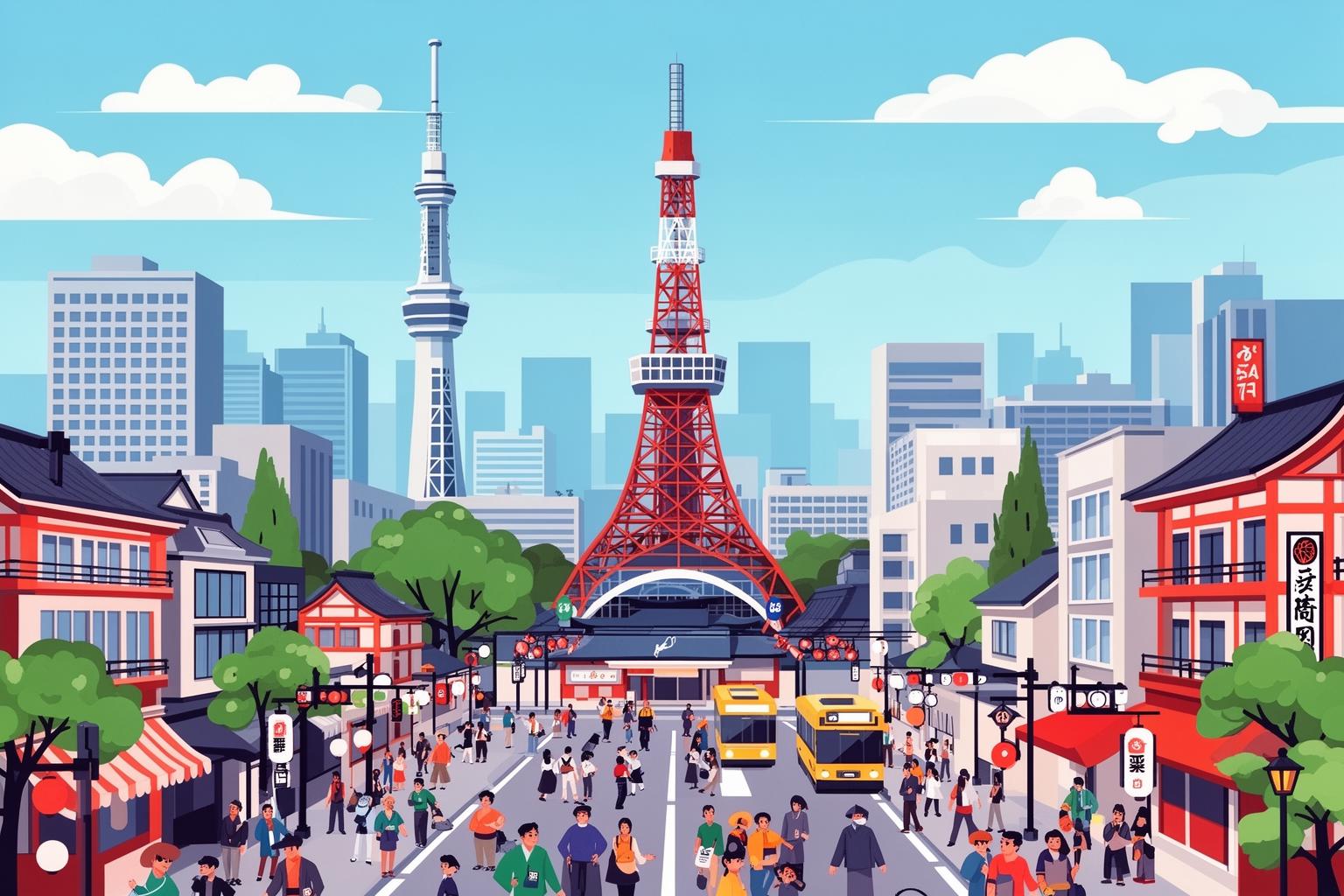
The deep integration of sento culture into daily life is not merely a historical relic; it serves as a vibrant reflection of the city’s essential identity. The way Osaka residents use and perceive their local bathhouses reveals much about what drives the city and why it feels so distinct from the polished precision of Tokyo.
Pragmatism over Polish
Step into a typical Tokyo bathhouse, especially a newer one, and you’ll likely encounter sleek, minimalist design, elaborate sauna options, and a quiet, spa-like ambiance. Enter a traditional Osaka sento, and you’re more apt to see Showa-era tile art, somewhat worn massage chairs, and a delightful lack of pretension. It may not be aesthetically immaculate, but everything functions well, it’s spotlessly clean where it matters, and it offers incredible value. This is Osaka’s pragmatism in action. The aim isn’t to create a luxurious retreat; it’s to provide an efficient, affordable, and enjoyable way to get clean, relax, and connect with neighbors.
This mindset permeates Osaka. It’s reflected in the city’s well-known appreciation for kosupa (cost performance), the desire to get the best bang for your buck, whether it’s a plate of takoyaki or a 500-yen soak. Osakans value substance over style, function over frills. The local sento embodies this philosophy. It fulfills its purpose admirably without needing to impress. It’s an honest space for honest people, mirroring a city that has always prized resourcefulness and common sense.
A Human-Scale City
Ultimately, the sento lifestyle is made possible by the very layout of Osaka itself. It’s a metropolis that feels like a collection of villages. Neighborhoods are dense, walkable, and self-contained. Your apartment, train station, supermarket, shotengai shopping arcade, and sento are often within a ten-minute walk. This geographic reality encourages a different kind of life than the sprawling, train-dependent lifestyle found in other major cities.
You don’t need to plan a trip to the sento. It’s a spontaneous choice. It’s what you do when you have a spare hour. This easy accessibility allows sento to become a true third space—a place that is neither home nor work—where you can effortlessly reset. The sento isn’t just part of the community; it is the community. It’s a touchstone in a transient world, a warm, steamy anchor reminding you that you belong to something bigger than your own four walls. For the remote worker trying to build a life in a new city, finding “your sento” is like discovering a key. It unlocks not only a way to relax but also a deeper understanding of Osaka’s rhythm, its values, and its warm, pragmatic heart.