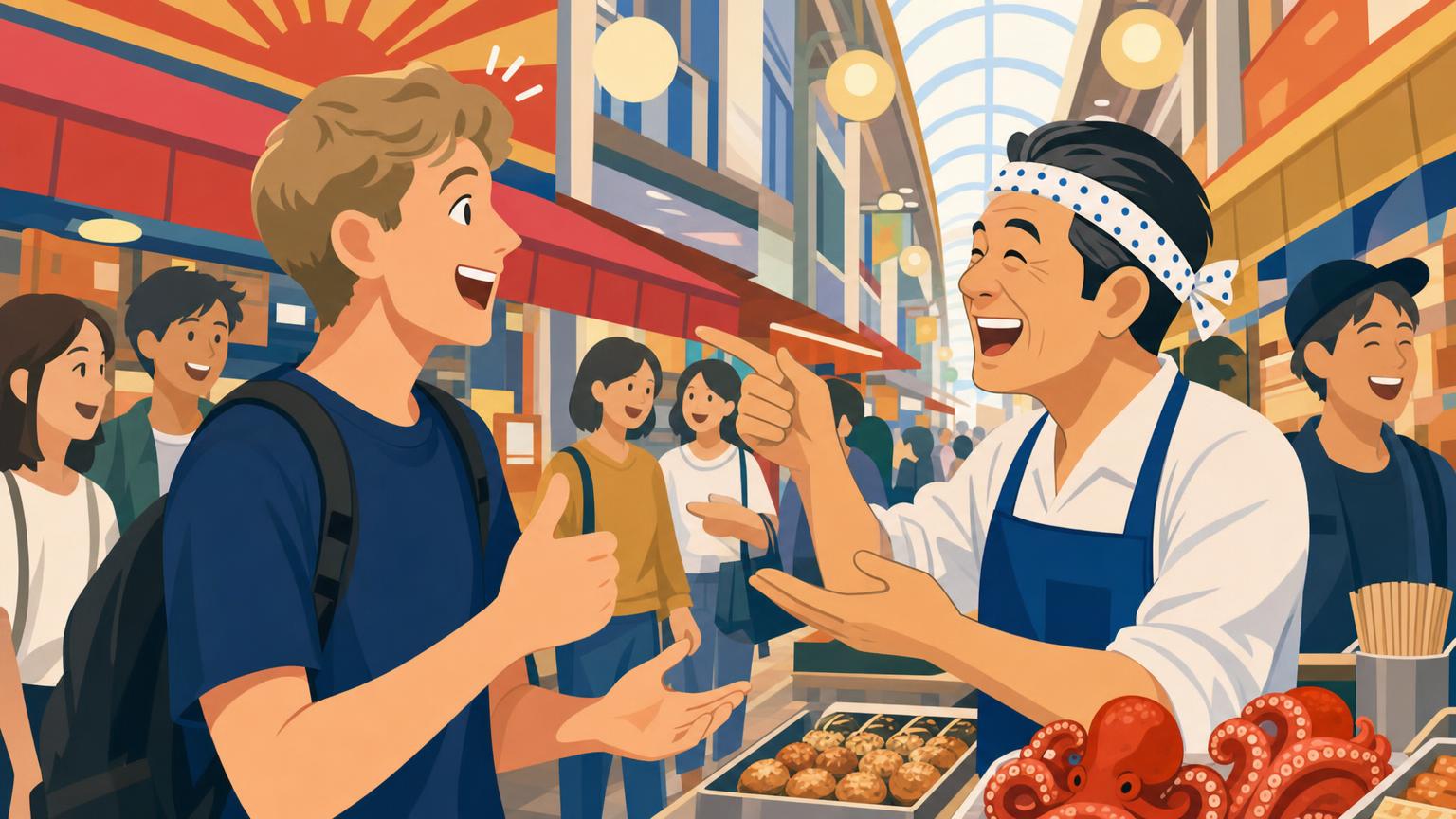
Moving to a new city always requires adjusting your internal rhythm, but moving to Osaka requires completely rewriting your social rulebook. If you have spent time in Tokyo, you are likely accustomed to a retail culture defined by invisible boundaries. In the capital, shopkeepers offer a polite, high-pitched greeting that you are expected to politely ignore. The transaction is seamless, frictionless, and utterly anonymous. Osaka is an entirely different beast. Here, the covered shopping arcades known as shotengai are the beating heart of the city’s neighborhoods, functioning as communal living rooms where everyday commerce is deeply intertwined with street-level theater. Living in Osaka means understanding that a simple trip to buy daikon radishes or a vintage jacket is an invitation to engage. You are not just a consumer here; you are an audience member, a conversational sparring partner, and sometimes, the punchline. This guide is designed to help you navigate these vibrant, chaotic arteries of the city. We will explore the unwritten rules of playful banter, decode the atmospheric differences between the major retail hubs, and give you the practical, logistical knowledge you need to walk the streets with the confidence of a local. Tokyo is a city of observation, but Osaka is a city of participation. It is time to step up to the plate and learn how to talk back.
Discovering Osaka’s Shotengai Culture
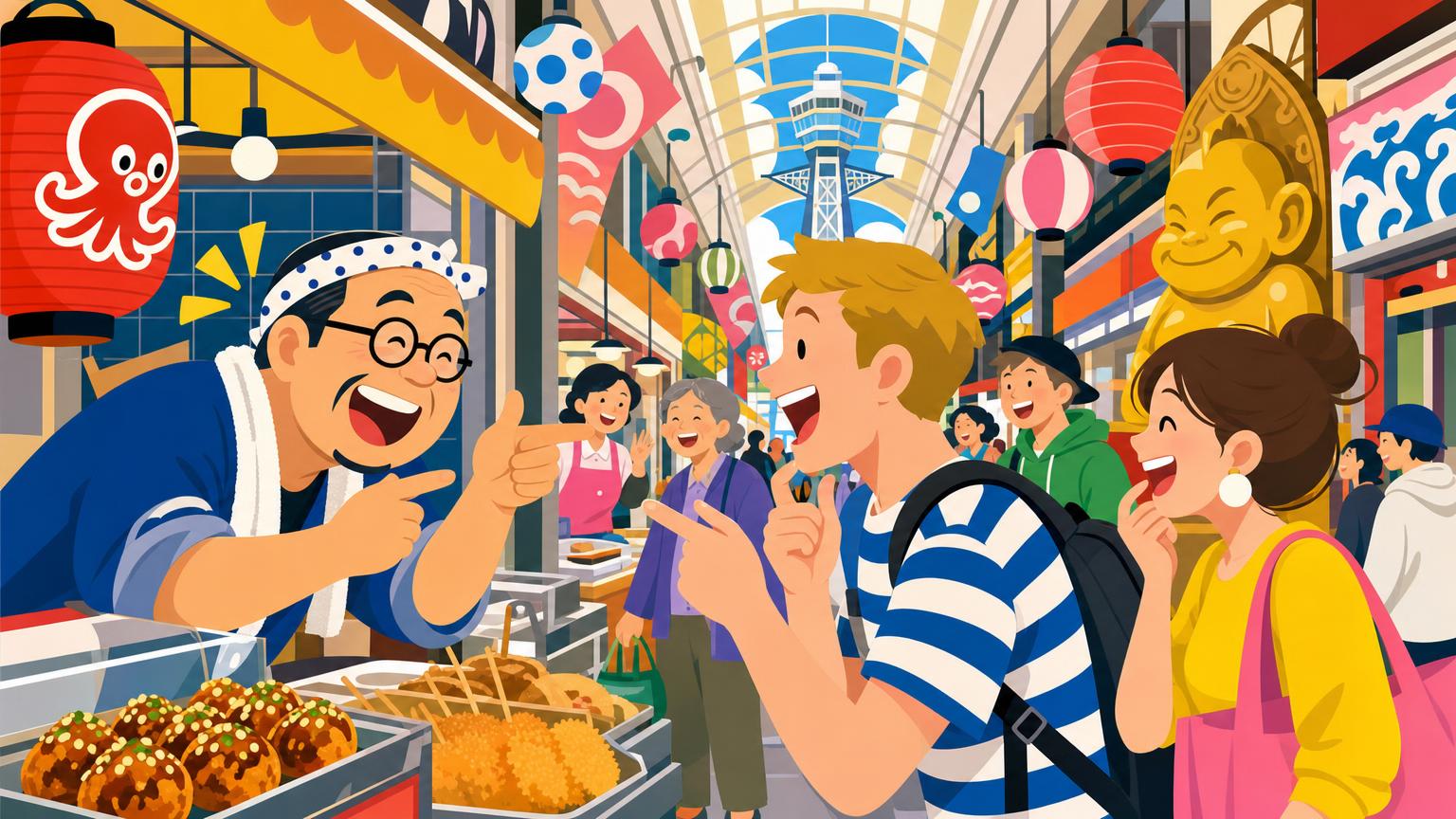
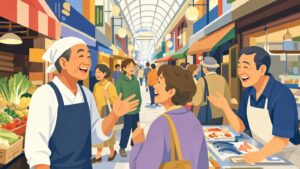
To understand Osaka, you first need to understand the shotengai. These covered shopping streets developed naturally from the city’s long history as Japan’s merchant capital. While modern malls shield you from the elements and community, the shotengai immerses you in the mix. Bicycles snake precariously through crowds of grandmothers pulling wheeled shopping carts. The aroma of roasted green tea mingles with the rich, savory smoke of fried pork. Neon signs buzz above hand-painted price tags. But the true essence of the Osaka shotengai is its noise—the sound of haggling, joking, and continuous human connection.
Osaka culture is deeply rooted in the comedic tradition of manzai, a stand-up comedy style based on rapid-fire banter between a boke, the fool who makes absurd remarks, and a tsukkomi, the straight man who sharply corrects them. When you enter a local shop in Osaka, you are stepping into a live manzai performance. If an elderly man selling roasted sweet potatoes deadpans that you owe him ten million yen as he hands you your change, he is playing the boke. Your role, as an honorary local, is to be the tsukkomi. You respond by playfully waving your hand, rolling your eyes, and saying you forgot your gold bars at home. In many other parts of Japan, this level of informal interaction with a stranger would seem shockingly intrusive. In Osaka, it represents the highest form of hospitality. Mastering this banter doesn’t require perfect Japanese fluency; it calls for a willingness to let your guard down, make eye contact, and respond with a smile rather than a stiff bow. Shopkeepers use humor not to mock you but to break the ice and close the distance between merchant and neighbor.
Tenjinbashisuji vs. Shinsaibashi-suji: Which Should You Visit?
Newcomers to the city often mix up the major shopping streets, assuming that all shotengai are the same. However, the particular street you choose to explore shapes the specific Osaka experience you’ll encounter. The city’s two main thoroughfares provide a striking contrast. Recognizing the key differences in their target audiences, architectural designs, and overall atmospheres is essential for managing your expectations.
Tenjinbashisuji: The Longest Street Showcasing Authentic Local Life
To truly feel the pulse of Osaka’s working-class community, you need to visit Tenjinbashisuji. Spanning an impressive 2.6 kilometers, it is recognized as Japan’s longest straight shopping arcade. Walking down this extensive corridor takes you through several distinct neighborhoods, with primary access points at Minami-morimachi station to the south and Tenjimbashisuji 6-chome station to the north. Most shops here operate from 10:00 AM to 8:00 PM, catering to the daily routines of local residents rather than late-night crowds.
The crowd here is distinctly local. You’ll see bargain hunters rummaging through racks of discounted clothes, elderly men sipping inexpensive sake at standing bars before noon, and neighborhood housewives carefully selecting produce. The conversations along Tenjinbashisuji are raw, straightforward, and highly pragmatic. Shopkeepers do not use the polished corporate Japanese typical of department stores but speak in the rich, rolling Osaka dialect. If you buy a bag of oranges, the vendor might throw in an extra simply because they like your jacket or because you made them laugh. This street is a remarkable haven for traditional goods. You can find independent tea merchants blending leaves by hand, ancient knife sharpeners, and small ceramics shops offering beautiful, imperfect pottery at a fraction of downtown prices. It’s neither polished nor glamorous, but it is genuinely and beautifully authentic.
Shinsaibashi-suji: The Premier Destination for Contemporary Fashion and Souvenirs
At the opposite end of the cultural spectrum lies Shinsaibashi-suji. Easily accessible from Shinsaibashi station, this bright, dazzling arcade operates from about 11:00 AM to 9:00 PM and stands at the heart of Osaka’s modern consumer scene. While Tenjinbashisuji centers on daily living, Shinsaibashi-suji is about showcasing style and being noticed. Its target crowd largely consists of international tourists, fashion-conscious youth, and avid followers of fast fashion.
The vibe here is noticeably different. Casual chatter is replaced by the loud, rhythmic calls of shop staff advertising limited-time deals. The street is flanked by flagship cosmetic stores, large duty-free outlets, and towering stores of global fashion brands. Crowds move in slow, dense waves, with the scent of high-end perfume and sweet bubble tea filling the air instead of fish broth and roasted tea. Although you won’t hear the intimate, gritty banter of local neighborhoods, Shinsaibashi-suji delivers an electrifying surge of urban energy. It’s an ideal spot to observe youth fashion trends, purchase elaborate souvenirs, and admire the vast scale of Japanese retail operations. Just be ready for the bustling crowds, as this street seldom feels quiet.
Best Osaka Shopping Streets for First-Time Visitors
If the daunting length of Tenjinbashisuji or the overwhelming crowds of Shinsaibashi seem too much for your first dive into Osaka’s street culture, there are particular arcades ideally suited for newcomers. These streets offer an excellent balance of accessibility, distinctive merchandise, and classic local interactions.
Dotonbori and Sennichimae Doguyasuji (Kitchenware Street)
Just a short walk from Namba station, with shops usually open from 10:00 AM to 6:00 PM, Sennichimae Doguyasuji is an absolute must for anyone who loves the culinary arts. Known as Kitchenware Street, this compact arcade supplies Osaka’s professional chefs with everything from large cast-iron takoyaki griddles to delicate bamboo sushi mats. The visual density of the shops is astonishing, with towers of ceramic bowls and endless racks of custom-forged chef knives lining the narrow pathways.
The conversation here is highly specialized and deeply respectful of craftsmanship. If you show genuine interest in the weight and balance of a particular knife, the elder merchants will gladly spend twenty minutes explaining the steel composition and forging process, regardless of any language barrier. As a woman exploring the city, I find this street incredibly welcoming and safe, although the aisles are famously narrow and require careful maneuvering to avoid knocking over stacks of plates. The interactions here strip away the frantic energy of the nearby Dotonbori tourist trap, offering quiet, dignified exchanges rooted in a shared passion for food and artistry.
Janjan Yokocho Alley (Shinsekai)
Nestled in the southern district of Shinsekai, Janjan Yokocho is a narrow, atmospheric alley easily accessible from Dobutsuen-mae station. The shops and eateries here generally hum from 11:00 AM until 9:00 PM, though the vibe changes markedly after sunset. This arcade offers a glimpse into Osaka’s retro, slightly gritty post-war history. It is famous for its tiny standing bars, vintage retro gaming arcades, and the sharp clatter of shogi tiles resonating from traditional board game parlors.
Janjan Yokocho reigns as the undisputed kingdom of kushikatsu, the beloved local dish of deep-fried skewered meats and vegetables. The banter in this alley is fast, loud, and utterly informal. The cooks working the deep fryers will shout out orders, joke about the weather, and playfully scold anyone who hesitates too long while reading the menu. While the area has historically had a rough reputation, it is remarkably safe today, provided you follow the neighborhood’s basic rules. Walk with purpose, respect the unwritten etiquette of the dining counters, and embrace the chaotic, nostalgic energy of the alley.
Deep Local Shotengai for Real Osaka Vibes
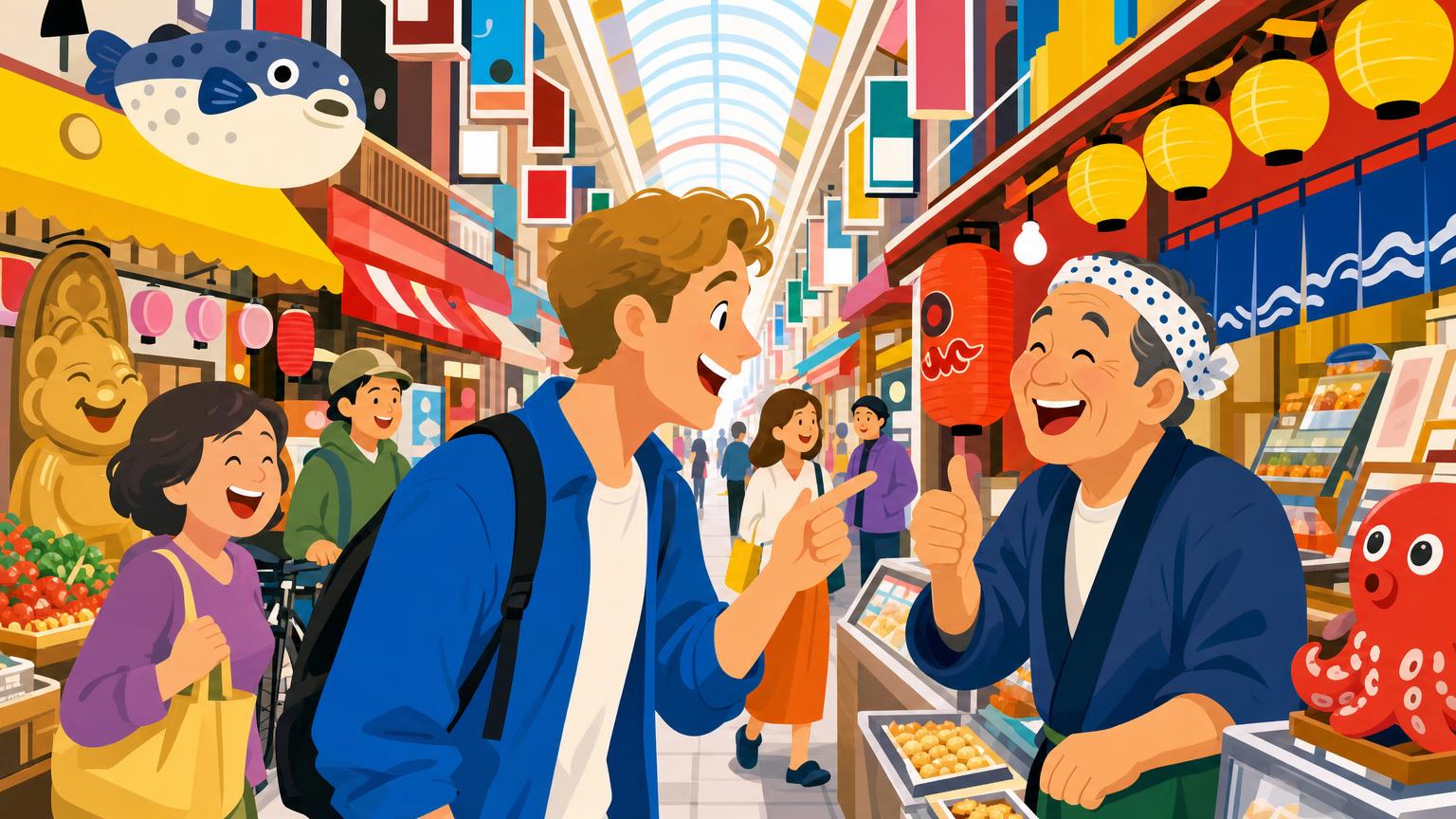
Once you’ve mastered the basics of Osaka street interactions, it’s time to explore the neighborhoods seldom visited by tourists. These arcades preserve the city’s true essence, showcasing idiosyncratic fashion and unbreakable community ties.
Karahori Shotengai (Retro Charm and Hidden Cafes)
Located near Matsuyamachi station and mostly open from 10:00 AM to 7:00 PM, Karahori Shotengai is a haven for those who appreciate design and quiet history. Unlike many parts of Osaka that were destroyed during the war, the Karahori neighborhood remarkably survived, preserving a maze of pre-war wooden row houses, known as nagaya. Recently, young creatives have breathed new life into these historic spaces, turning them into stylish boutiques, artisanal chocolate shops, and hidden architectural cafes.
The shopping street itself exudes a sleepy, deeply romantic retro charm. The conversations here are softer and more intellectual. You might find yourself chatting with a young barista who custom-roasts beans in a converted alleyway or with a grandmother running a tofu shop that’s been family-owned for decades. The absolute highlight of Karahori is joining the local queue for fresh korokke at the neighborhood butcher. Standing on the sloping street, savoring a piping hot, savory potato croquette straight from a paper bag while talking with the vendor about the changing seasons is one of the most sublime, grounding experiences in the city.
Senbayashi Shotengai (The Heart of Budget Osaka)
If Karahori is the quiet intellectual, Senbayashi Shotengai is the boisterous, unapologetic life of the party. Accessible via Senbayashi station and buzzing from 10:00 AM to 8:00 PM, this arcade is renowned throughout the Kansai region as the spiritual home of the Osaka Obachan, the formidable, leopard-print-wearing women who serve as the unofficial enforcers of local culture. Senbayashi is devoted to extreme budget shopping, a chaotic mix of discount vegetable stands, aggressive clothing liquidators, and booming megaphones announcing flash sales on toilet paper.
The banter in Senbayashi is not for the faint-hearted; it’s an intense sport. Shopkeepers will physically guide you to their goods, speaking in a rapid-fire dialect that even Tokyo natives find challenging to understand. If you attempt to haggle, be ready for theatrical sighs, exaggerated bankruptcy claims, followed by hearty laughter and a small discount. It’s an excellent place to observe the unpretentious, boldly comedic fashion choices of local women, who regard loud prints and bright colors as a badge of honor. Walking through Senbayashi is exhausting, exhilarating, and utterly unforgettable.
Tsuruhashi Shopping Street (Koreatown Buzz)
Stepping out of Tsuruhashi station, you are immediately enveloped by the rich aroma of grilled meat and fermented chili. The Tsuruhashi Shopping Street, open mainly from 9:00 AM to 6:00 PM, is an extensive, maze-like market that serves as the gateway to Osaka’s vibrant Koreatown. Built beneath and around the elevated train tracks, its narrow, sunlit alleys transport you to a bustling mid-century Seoul market.
Exploring Tsuruhashi demands a sense of adventure. The passageways are incredibly tight and lined with towering displays of fresh kimchi, stainless steel cookware, and vividly colored traditional textiles. The banter here is a lively blend of Japanese and Korean, often switching between the two within a single sentence. Negotiating for side dishes or spicy marinated crabs involves animated hand gestures and friendly haggling. Though the maze-like layout can be disorienting, the area is perfectly safe during the day and offers a compelling glimpse into the deep, multicultural roots that shape Osaka’s modern identity.
Must-Try Shotengai Street Food in Osaka
It is impossible to separate the culture of Osaka’s shopping arcades from the culture of street food. In this city, eating while standing, walking, or sitting on a tiny plastic stool is not seen as rude; rather, it is considered essential. The food sold in the shotengai is quick, affordable, incredibly flavorful, and serves as the perfect way to strike up a conversation with the locals.
Fresh Takoyaki and Okonomiyaki
No visit to an Osaka arcade is complete without burning the roof of your mouth on incredibly fresh takoyaki. These molten balls of savory batter and tender octopus are the ultimate street food experience. Watching a skilled takoyaki vendor rapidly turn the batter with long metal picks is a captivating performance. The banter often centers around the heat. The vendor will hand you a paper boat filled with takoyaki topped with dancing bonito flakes, warning you with a grin that it is dangerously hot, fully aware you will ignore the caution and take a bite anyway. Okonomiyaki, the savory cabbage pancake, is a bit more filling but just as beloved. In smaller arcades, vendors often sell miniature versions folded in half, designed to be eaten with one hand while you browse the shops.
Local Croquettes (Korokke) and Fried Skewers (Kushikatsu)
The local butcher shop is a hidden gem in any shotengai. They almost always have a small fryer running near the front display, producing hot korokke—perfectly seasoned beef and potato croquettes coated in crispy panko breadcrumbs. Priced under a hundred yen each, they fuel local bargain hunters. Kushikatsu, especially popular in Janjan Yokocho, comes with a strict, unspoken code of conduct. The skewers of battered meat and vegetables are served with communal metal trays of a thin, sweet-and-savory sauce. The golden rule is simple: absolutely no double-dipping. Breaking this rule immediately stops the friendly banter with the cooks, but as long as you respect the sauce, the chefs will keep the hot skewers and cold beer flowing in equal measure.
Traditional Japanese Sweets and Matcha Treats
When the richness of fried food becomes overwhelming, the traditional sweet shops provide a quiet, elegant retreat. In older arcades like Tenjinbashisuji and Karahori, generations-old confectioners sell warabimochi—a jelly-like sweet dusted with roasted soybean flour—and taiyaki, fish-shaped cakes filled with sweet red bean paste. The interactions here offer a pleasant contrast to the lively banter at the savory stalls. The shopkeepers take great pride in the seasonal presentation of their treats, often engaging in quiet conversation about the changing weather or the specific origins of their matcha powder. It offers a moment of calm refinement amid the arcade’s intense sensory experience.
Practical Tips for Exploring Osaka’s Arcades
Enjoying the vibrant hustle and bustle of Osaka’s shotengai calls for some logistical preparation. Knowing how the city flows, when the streets become lively, and how to stay safe in crowded areas will help you unwind and fully engage with the local chatter without anxiety.
Opening Hours and Best Times to Visit
Unlike Western shopping malls that follow fixed hours, the shotengai follows its own localized schedule. Most traditional local arcades, such as Tenjinbashisuji and Senbayashi, start opening around 10:00 AM and close by 8:00 PM. Many older, family-run shops observe regular closing days, often shutting down on Tuesdays or Wednesdays. To catch the peak, bustling energy of locals running errands, the ideal visit time is late afternoon, around 4:00 PM, when housewives shop for dinner ingredients and students buy street food on their way home. In the tourist-filled Shinsaibashi-suji, energy peaks in the early evening and continues late into the night.
Navigating with Maps and Train Lines
Osaka’s subway system is very efficient, but emerging from underground into a vast covered arcade can quickly disorient you. Since the streets are covered, GPS signals on your phone often drop or behave erratically. The best approach is to note the major intersecting roads and use the physical maps posted at train station exits. As a woman who often explores these crowded areas, I strongly suggest maintaining situational awareness. While Japan is remarkably safe and violent crime is rare, the densely packed streets like Shinsaibashi-suji and Tsuruhashi can sometimes attract opportunistic pickpockets. Wear a cross-body bag positioned in front, keep your valuables secured, and focus on the surroundings instead of constantly looking down at your phone.
Cash vs. Card: What to Expect
Although major international retailers on Shinsaibashi-suji accept digital payments and foreign credit cards, the deeper local arcades remain firmly cash-based. To join in the lively haggling and fast-paced transactions in Senbayashi or Tenjinbashisuji, you’ll need physical yen. Trying to buy a hundred-yen croquette or a bag of discounted oranges with a credit card can disrupt the flow and often leads to a polite refusal. Carry a coin purse, keep a good supply of thousand-yen bills handy, and enjoy the tactile, personal experience of handing over cash and receiving a warm, heavily accented thank-you in return. These small, analog moments turn a simple shopping trip into a meaningful connection with the people of Osaka.