Experience– category –
-

Boke and Tsukkomi in Osaka: How to Understand Everyday Humor and Conversation Etiquette
If you live in Osaka and someone says something obviously wrong, unexpectedly dramatic, or slightly ridiculous, the correct response may not be a serious correction. It may be an invitation to play. In Japanese comedy, boke means the per... -
The Osaka Obachan Neighbor Support Network: Ame-chan Etiquette, Trust, and Everyday Community Care
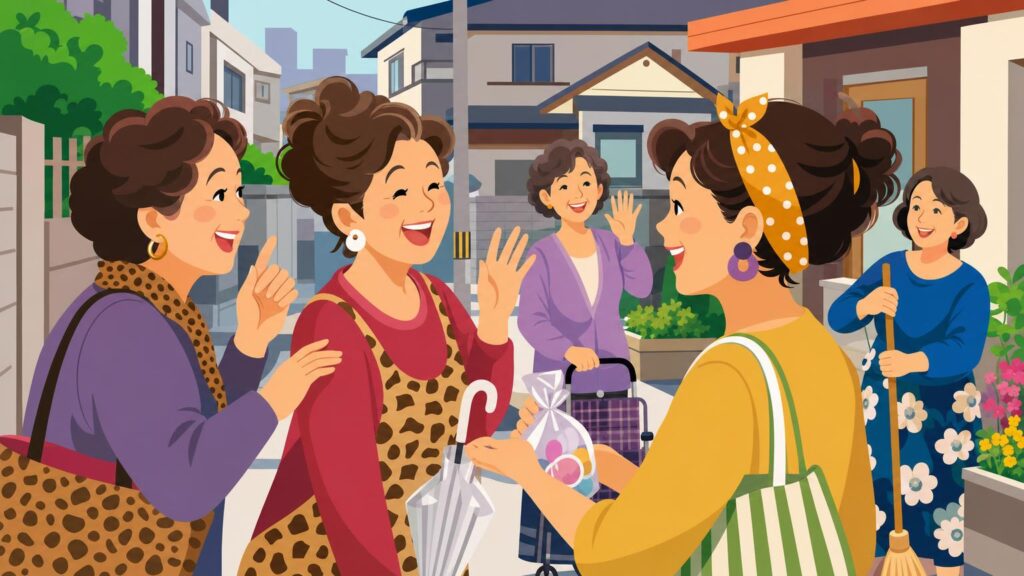
You move into an Osaka apartment building. A woman from two floors below sees you struggling with the garbage rules. She asks where you are from, tells you which collection day applies to your building, complains that the previous tenant... -
Unwinding like an Osakan: The Daily and Social Ritual of Local Sentō
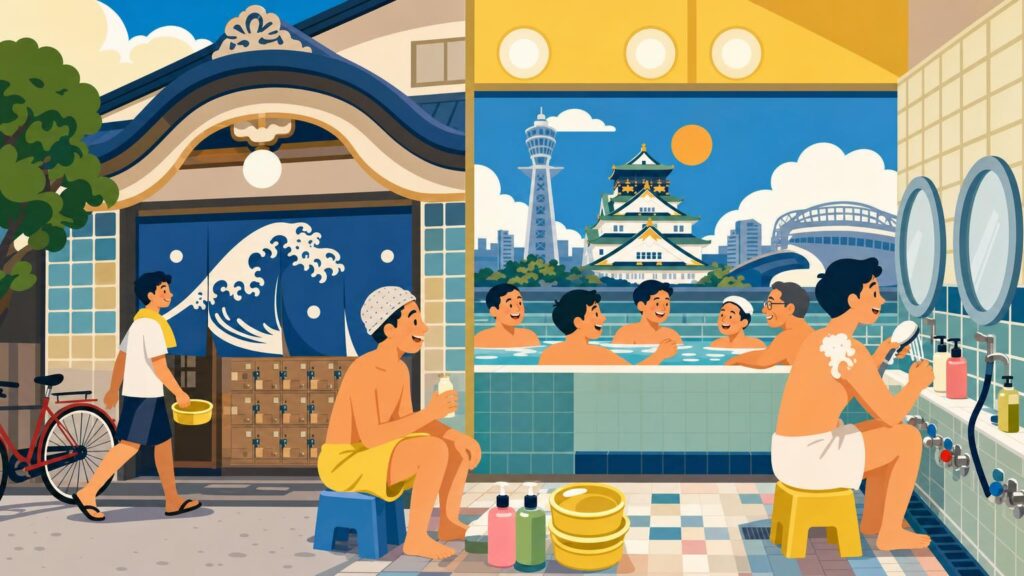
You may hear that Osaka people are open, humorous, and easy to talk to. That description is not entirely wrong, but it is too smooth to explain daily life here. Osaka friendliness is often practical, noisy, teasing, and built around shar... -
Why Humor Is a Social Currency in Osaka: A Guide to *Owarai* in Everyday Life
Have you ever made what you thought was a friendly joke in Osaka, only to receive a completely serious reply? Or perhaps the opposite happened: someone you had just met teased you, laughed at themselves, and moved the conversation forwar... -
Osaka’s Sentō as a Weekly Ritual: Navigating Local Public Bath Etiquette in Daily Life
If you live in Osaka long enough, you may notice a small change in how people talk about bathing. A public bath is not always presented as a special cultural experience. For many residents, it is simply part of the week: a place to wash ... -
Finding Community and Friendship in the Steam of Osaka’s Neighborhood Sento
A common question from foreign residents is simple but difficult to answer: How do you actually make friends in Osaka when you are no longer a student, a short-term visitor, or part of an international workplace? The usual advice is to j... -
Decoding the Social Cues of Kansai Dialect in Everyday Osaka Life
You hear a coworker say, “Meccha samui na” — meccha samui na, “It’s really cold, huh?” — and everyone laughs. A shopkeeper tells you, “Ookini” — ookini, “Thank you.” A neighbor says, “Akan de” — akan de, “That won’t do.” None of these se... -
The Art of the “Takopa”: Why the Home Takoyaki Party Is a Cornerstone of Osaka’s Social Life
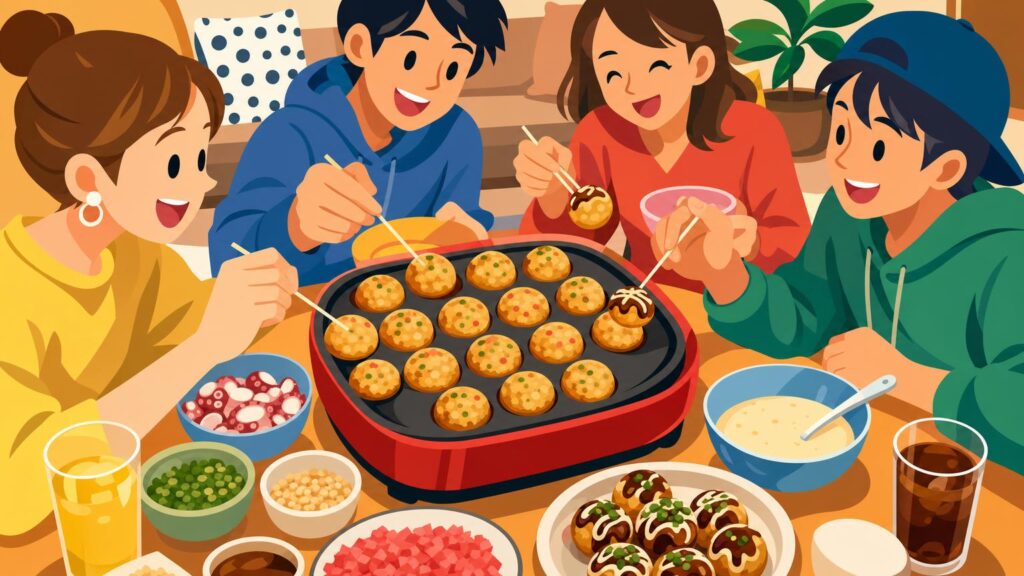
You may live in Osaka for months before someone invites you to a Takopa. Then, one evening, a friend places a heavy electric griddle on the dining table, pours batter into small round wells, and tells you to stop worrying about making pe... -
Osaka’s Neighborhood Kissaten: Finding Light Meals for Special Dietary Needs and Reading the Unspoken Rules
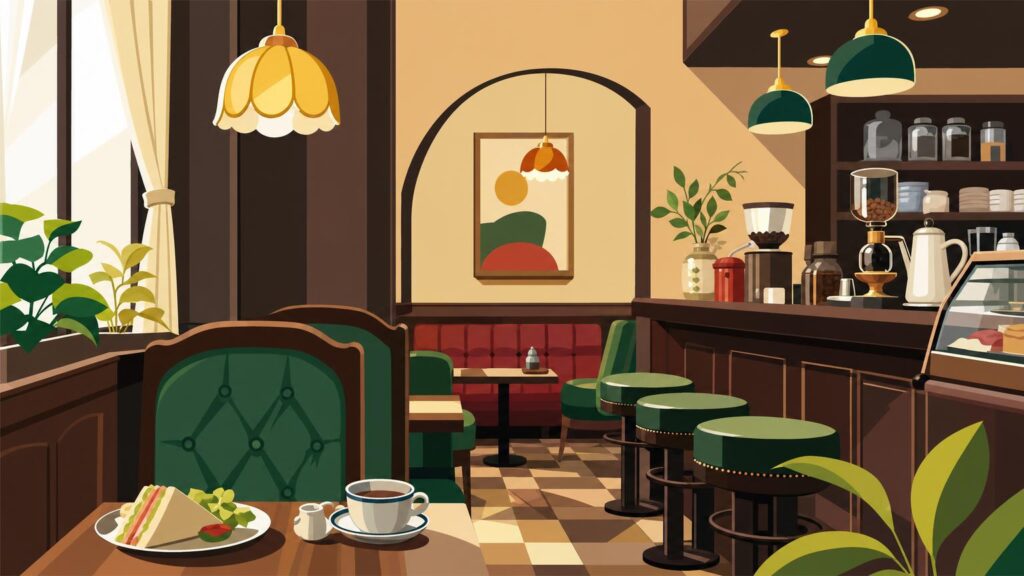
You may walk into a small Osaka kissaten, point to a sandwich, and then realize that the bread contains milk, the filling contains mayonnaise, the soup is made with chicken stock, and the kitchen has no separate preparation area. For man... -
How Osaka’s *Kuidaore* Culture Shapes Everyday Meals and Mindset
Why do people in Osaka talk about food so casually, so often, and with such strong opinions? Why can a quick weekday lunch become a small debate about broth, rice texture, portion size, or whether a restaurant is “properly” serving a fam... -
Why Tachinomi Are the Real Social Networks of Osaka
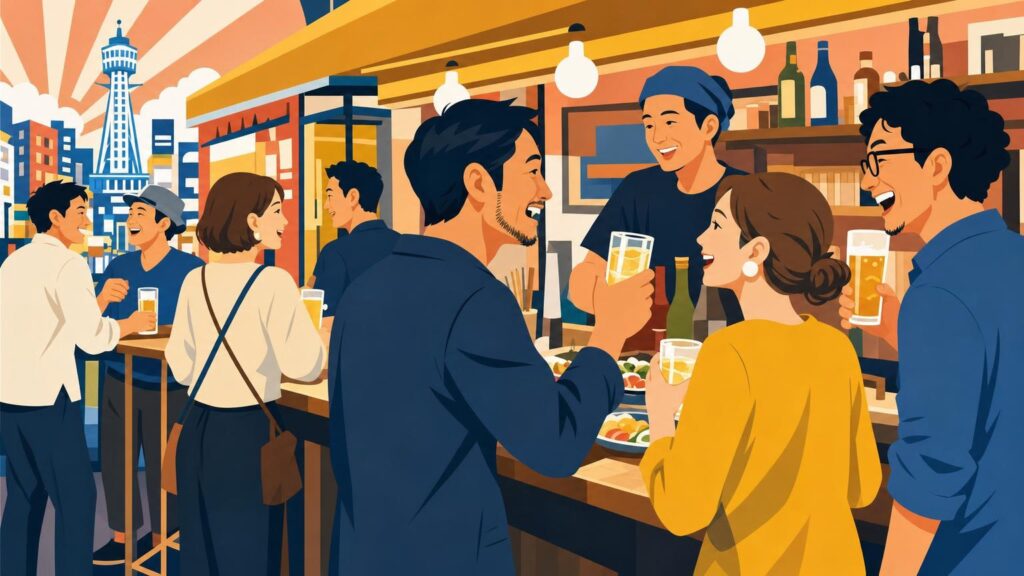
If you are living in Osaka, or seriously considering moving here, you may eventually notice something strange about the city’s social life. People do not always make friends through formal introductions, company events, or carefully plan... -
The Pros and Cons of Renting a Renovated Nagaya in Osaka’s Shitamachi
If you are living in Osaka, or seriously considering moving here, a renovated nagaya can look almost too good to be true. You may see exposed timber, plaster walls, a small front garden, a quiet alley, and a rent that appears lower than ...