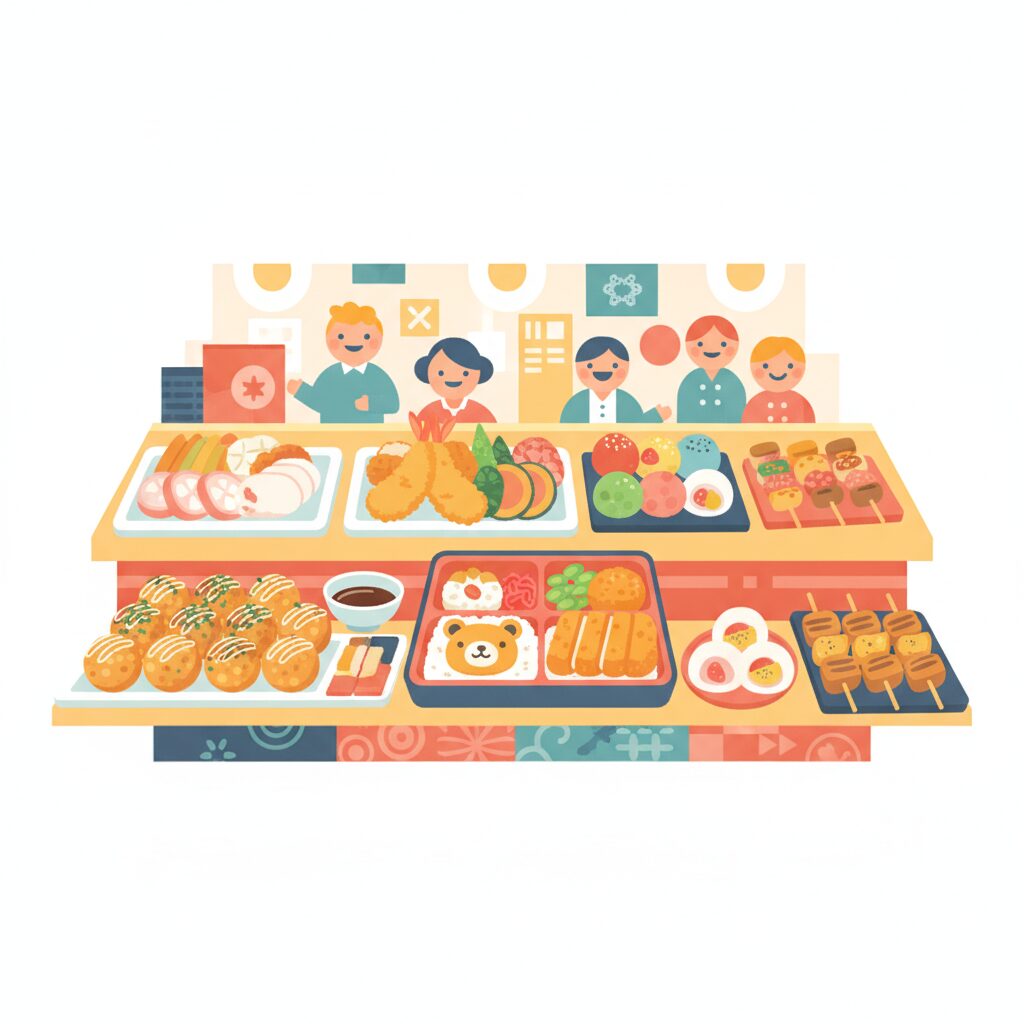
Step off the train in Umeda, a human river pulling you toward the grand entrances of Hanshin, Hankyu, or Daimaru. You descend an escalator, and the air changes. The sterile quiet of the upper floors dissolves into a symphonic chaos of sizzling oil, sizzling vendors, and the sweet, intoxicating scent of a thousand different foods fighting for your attention. Welcome to the depachika, the basement-level food hall of a Japanese department store. But in Osaka, this isn’t just a food hall. It’s the city’s heart, its stomach, and its soul, all laid out on a million tiny plates. For anyone trying to understand what living in Osaka is really like, forget the castles and the neon signs for a moment. Your education starts here, in the glorious, overwhelming basement.
Foreigners often mistake the depachika for a high-end food court or a tourist trap. It’s neither. This is the real Osaka, a place where grandmothers, office workers, and young couples all converge with a singular, serious purpose: to assemble the perfect meal. It’s a theater of commerce where the city’s core philosophies—uncompromising quality, fierce value, and a love for a good show—are on full display. Unlike the more reserved, gallery-like depachika of Tokyo, where food is presented with hushed reverence, Osaka’s depachika are alive. They are loud. They are a contact sport. Learning to navigate this space, to read its signals and master its rhythm, is to learn the language of Osaka itself. This is where you stop being a visitor and start understanding the daily pulse of the city.
For those inspired to dive even deeper into the local way of life after exploring the sumptuous maze of Osaka’s depachika, consider checking out Osaka apartment rental solutions for foreigners to settle into the city like a true native.
The Depachika as Osaka’s Kitchen: More Than Just a Food Hall
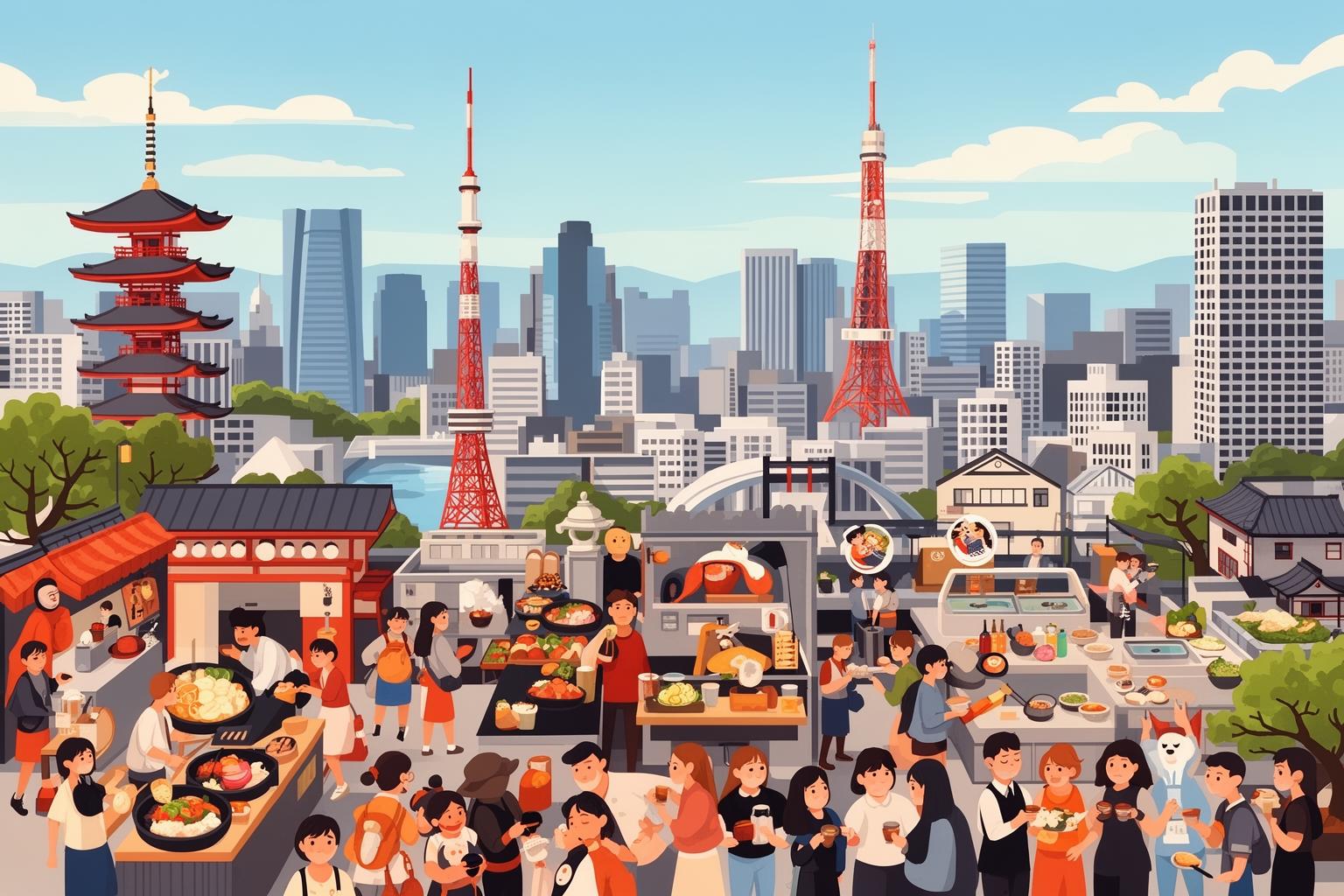
You’ve probably heard the phrase `kuidaore`, meaning to eat until you drop. Outsiders often assume it’s about gluttony or sheer quantity. They’re mistaken. `Kuidaore` is a philosophy of discernment—a relentless quest for the best possible taste at the best possible price. The depachika is the contemporary stage where this battle for flavor and value unfolds daily. It’s more than just a place to buy food; it serves as an extension of the Osaka home kitchen. People aren’t necessarily shopping for raw ingredients to prepare a three-course meal. They’re here to outsource. They’re here to curate.
The atmosphere tells the tale. The constant, lively shouts from vendors, the `koe-dashi`, aren’t mere noise. They’re invitations and challenges: “Try our freshly fried croquettes!” “Our seasonal salad is the best today!” This isn’t the quiet, passive shopping experience you might find elsewhere. It’s interactive; it’s a performance. In Tokyo’s depachika, you might feel like you’re in a museum of food, admiring perfect creations behind glass. In Osaka, you’re part of a festival. The food must shine, yes, but the sellers have to connect. This exchange, this energy, is quintessentially Osaka. The city is built on a merchant culture where the interaction is just as vital as the product. A silent transaction feels like a lost opportunity.
Deconstructing the Depachika Layout: A Strategic Approach
To the uninitiated, the depachika is a maze crafted to overwhelm both your senses and your wallet. However, there is a method to this madness, a map that becomes clear once you grasp the local mindset. Understanding this layout is essential for a successful mission.
The 惣菜 (Sozai) Warzone: The Heart of the Action
This is the main attraction. `Sozai` are the ready-made dishes, including salads, fried foods, simmered vegetables, and grilled fish. This section truly acts as Osaka’s communal kitchen. The underlying principle here is practical wisdom and respect for specialization. Why spend an hour making a mediocre `dashimaki tamago` (rolled omelet) when a master who has crafted ten thousand of them can offer you a perfect, fluffy, flavorful one for a few hundred yen? This isn’t laziness; it’s efficiency. It embodies the Osaka mindset of letting experts do what they do best, freeing you to focus on your own strengths.
Notice how the food is displayed. It’s not arranged with minimalist precision but piled high, gleaming under the lights, radiating abundance. The displays are intended to convey generosity, value, and irresistible deliciousness. The competition among stalls is intense, and visual appeal is their primary weapon. A lone-looking chicken wing won’t sell, but a mountain of golden, crispy `karaage` will. This is a celebration of plentitude and a rejection of pretense. It must look great, taste better, and feel like a good deal.
The Sweet Battlefield: Wagashi vs. Yogashi
No meal is complete without a finishing touch, and the dessert section is a cultural battleground. The conflict is between `Wagashi` (traditional Japanese sweets) and `Yogashi` (Western-style sweets). This choice goes beyond personal preference; it’s about context and social signaling. You buy `Wagashi`, such as beautiful mochi or intricate bean paste sweets, as a formal gift when visiting someone’s parents or for traditional occasions. It expresses respect for tradition.
`Yogashi`, on the other hand—the delicate strawberry shortcakes, rich chocolate tortes, and the famous fluffy cheesecakes from Rikuro Ojisan—are reserved for more modern, informal moments. They’re meant for celebrating with friends or for personal indulgence after a long week. Brand loyalty here is strong. Bringing a cake from a beloved Osaka institution like Gokan or Pound House is a declaration of local identity. You’re not just bringing dessert; you’re sharing a piece of the city’s collective taste memory. This is what “we” in Osaka eat. It’s a sign of belonging.
Bento and Beyond: The Lunchtime Power Play
The bento box section showcases portable perfection. Here, the `kuidaore` philosophy is condensed. A bento is not just a packed lunch; it’s a fully curated meal experience. The variety is astounding, ranging from simple, hearty boxes with rice and fried chicken for under 500 yen to elaborate, multi-tiered creations from renowned restaurants costing thousands. The choice of bento reflects the meal’s purpose—a simple one for a quick solo lunch in the park or an elegant, colorful one for a special outing like cherry blossom viewing or a day trip to Kyoto.
Visual presentation is crucial. Every ingredient is intentionally placed to create a balance of color, texture, and flavor. It’s a feast for the eyes long before it reaches your mouth. This exemplifies the Osakan desire for the complete package. It can’t just be delicious; it must be beautiful. It can’t just be beautiful; it has to offer good value. Excellence is expected on all fronts.
The Unspoken Rules of the Depachika Dance
To truly thrive here, you must grasp the unwritten rules of engagement. Many foreigners, used to a different style of customer service, often misinterpret these signals. The depachika has its own social choreography, and mastering its steps is part of the Osaka living experience.
The Art of Sampling: “Shishoku” as a Conversation Starter
Many stalls offer `shishoku`, or free samples, presented on a toothpick or in a small cup. In Tokyo, this is usually a quick, silent exchange: you take it, taste it, and move on. In Osaka, that’s only half the story. The sample serves as an opening line, an invitation to a brief conversation. The vendor isn’t just handing you food; they’re sharing a piece of their professional pride.
The proper response is to accept the sample, taste it, and immediately offer feedback. A simple, enthusiastic “Oishiii!” (Delicious!) is the minimum. A more advanced approach is to ask a question, like “What’s in this sauce?” or “Is this a seasonal item?” This completes a social exchange, acknowledging their craft and engaging in the unique Osakan commerce dance. Someone who silently accepts the sample and walks away may be seen as cold or uninterested—not out of rudeness, but because they disrupted the rhythm. This performative, transactional friendliness fuels daily life here.
Timing is Everything: The Evening Discount Rush
Watch the clock closely. As closing time nears, usually around 7:00 PM or 7:30 PM, a magical transformation unfolds. Clerks come out from the back with sheets of red and yellow stickers marking 20%, 30%, or sometimes even 50% off. This is the `nebiki`, the discount hour, a sacred ritual.
What foreigners might misunderstand is the attitude toward this practice. In some cultures, buying discounted, day-old food might feel cheap or undignified. In Osaka, it’s a sport, and winning is a badge of honor. It perfectly expresses the city’s `kenjitsu` mindset—a term meaning practical, steadfast, and unpretentious. Why pay full price for a beautiful sushi set at 6:00 PM when you can get the same one for 30% less at 7:30 PM? It’s not about being stingy; it’s about being savvy. Locals circle their favorite stalls like hawks, waiting for the stickers to appear. Snagging a high-end bento at a discount isn’t settling; it’s a victory. You haven’t compromised; you’ve wisely maximized value, one of Osaka’s highest virtues.
Curating Your Own Osaka Story: A Practical Guide
Now you understand the why. Let’s move on to the how. Don’t just wander and grab—curate. Be the director of your own meal. Here’s the local strategy.
Step 1: The Reconnaissance Lap
Never purchase the first thing that catches your eye. This is a rookie mistake. A true Osakan completes a full lap of the entire floor first. This is reconnaissance. You’re surveying the landscape, assessing the competition, noting the daily specials, and crafting a plan of attack. See what looks freshest, which stalls have a line, and which items are being promoted most vigorously. This initial lap is crucial; it distinguishes the impulsive tourist from the strategic local.
Step 2: Assemble Your “Team”
Do not, under any circumstances, buy your entire meal from a single stall. That’s like going to an all-star game and only watching one player. The beauty of the depachika lies in specialization. Your mission is to assemble a dream team of dishes. You get the perfect, crispy gyoza from the famous Chinese food stall. Then, you head to the seafood specialist for a piece of perfectly grilled mackerel. You pick up a unique, seasonal salad from the chic deli, and finally, grab a single, exquisite rice ball from the `onigiri` master who has perfected that one item. You are the general manager, crafting a championship roster for your dinner plate.
Step 3: The Finishing Touch
The final piece is the flourish, the item that elevates the entire meal. This could be a small but perfect dessert—a single slice of cake from a renowned patisserie. Or perhaps a visit to the high-end fruit stall, where a small box of magnificent Shine Muscat grapes or a single, flawless white strawberry can cost as much as the rest of your meal combined. This is strategic splurging. You save money by being savvy with your main dishes, allowing you to invest in one spectacular item that makes the whole experience feel luxurious. It’s not about how much you spend; it’s about how you spend it.
Why the Depachika Explains Osaka
Ultimately, the depachika is much more than a basement filled with food. It represents a dynamic, living model of Osaka’s society. It is a fiercely competitive space where numerous vendors compete for your attention, yet it operates as a unified, harmonious ecosystem. It embodies a culture that values premium quality while maintaining an obsession with finding good value. The priciest dish is seldom deemed the “best.” Instead, the “best” is the one that offers an experience far beyond its price.
The depachika is noisy, bustling, and unapologetically commercial, yet it functions under an unspoken code of conduct and a mutual respect for the artistry of food. It is a miniature version of the city itself. Living in Osaka means learning to embrace this vibrant, functional chaos. It means recognizing that the finest things in life result from a blend of expert skill and shrewd negotiation. When you can confidently enter the Umeda depachika at 7:15 PM, put together an ideal, multi-stall meal with a 30% discount, and share a knowing nod with a vendor, you’ll realize you’re no longer just living in Osaka—you’re truly part of it.