The email arrives on a Tuesday afternoon. The subject line is simple: “Team Drinking Party.” Your heart does a little flip-flop. It’s a mix of excitement and a slow, creeping dread. This is it. A nomikai. The legendary, mandatory-but-not-mandatory pillar of Japanese work culture. It’s a chance to bond, to see your colleagues and managers in a new light, to become part of the team. But as a foreigner with dietary restrictions—be it vegetarianism, halal, an allergy, or a simple aversion—the invitation feels less like a party and more like a pop quiz on a subject you never studied. What will you eat? How do you refuse a dish without causing offense? How do you explain your needs without derailing the entire evening for everyone else? In Osaka, a city that runs on a powerful current of social energy and unwritten rules, these questions take on a special weight. The city’s reputation for being open and friendly can be misleading; it’s a specific kind of friendliness, one that operates within a complex system of social give-and-take. This isn’t Tokyo, where procedure sometimes trumps personality. This is Osaka, where personality, participation, and reading the room are everything. This guide is your key to unlocking the code. We’ll break down how to handle your dietary needs at a company nomikai, not just to survive it, but to turn a moment of potential anxiety into an opportunity for genuine connection, Osaka-style.
Embracing Osaka’s spontaneous humor, where even a clever punchline can bridge cultural gaps, might be your secret tool for connection—discover more about Osaka punchline humor to ease the nomikai experience.
The Osaka Nomikai: More Than Just a Meal
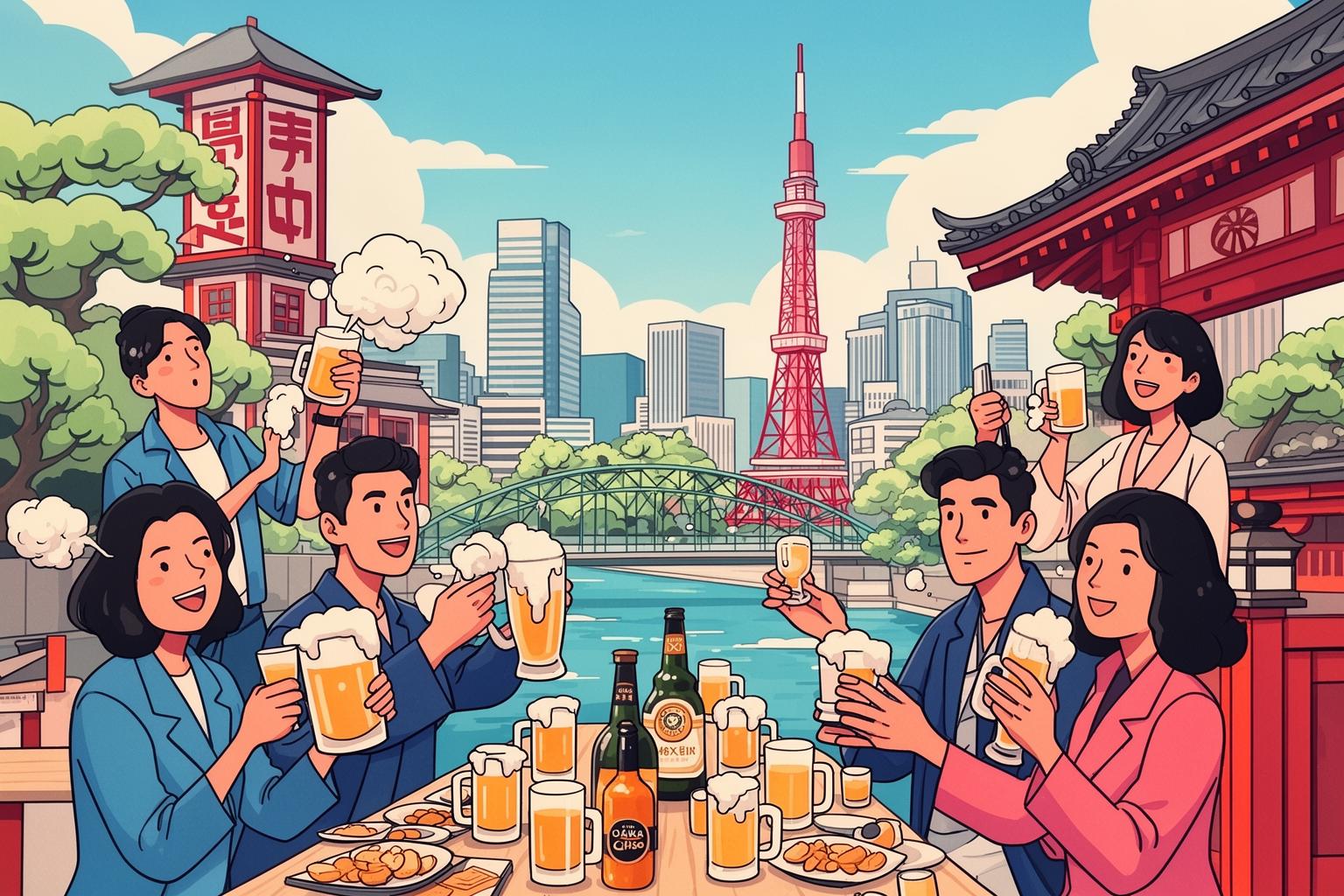
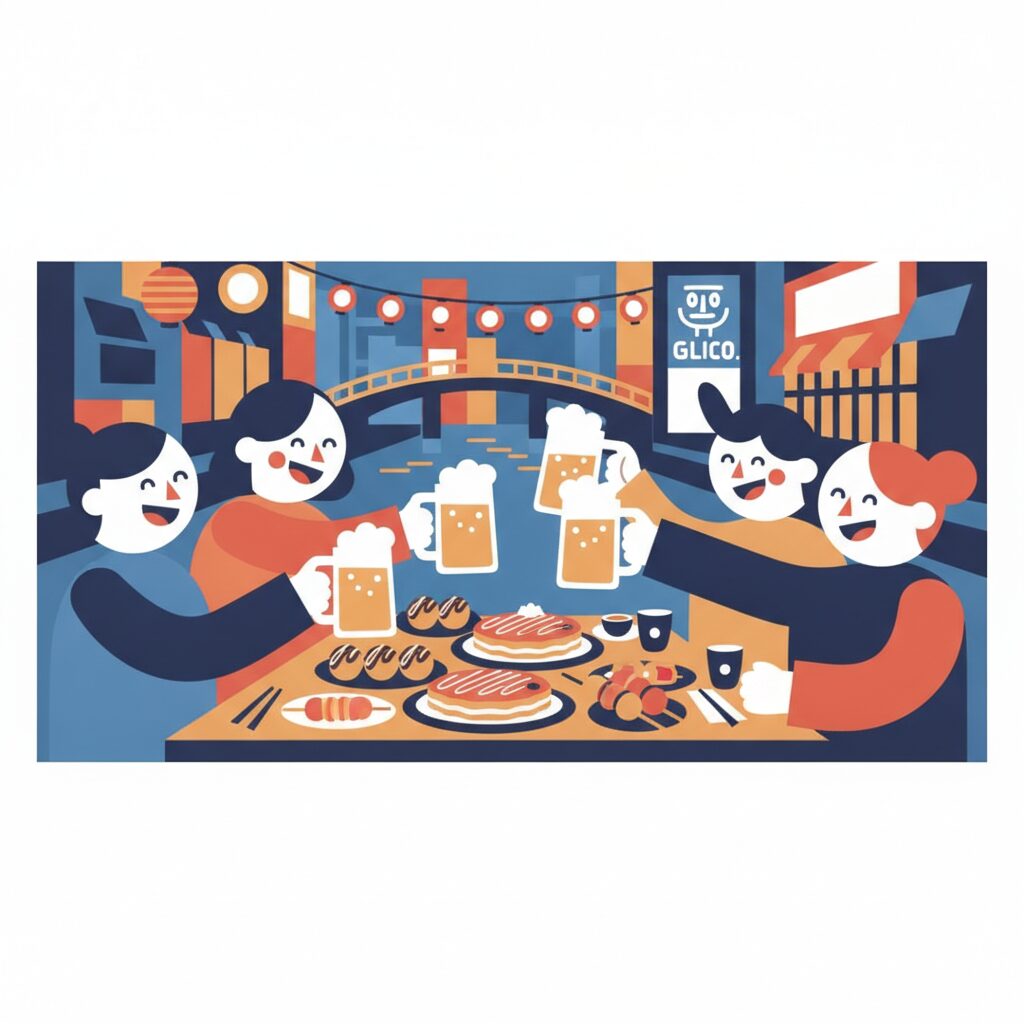
First, you need to grasp what a nomikai truly is. It’s not simply a dinner party centered around individual food preferences. The meal serves an entirely different purpose: fostering group cohesion. The whole setup of a typical izakaya gathering aims to create a sense of unity. Large shared platters of karaage, edamame, and sashimi are set in the middle of the table, and everyone eats from these communal dishes with their own chopsticks. This act of sharing food from a common source powerfully reinforces the group’s identity without words. You are, quite literally, eating from the same pot. That’s why a special request can, if not managed carefully, feel like a breach in the social fabric.
Understanding the Group Mentality
The idea of wa, or group harmony, is the foundation of Japanese society and is clearly evident at a nomikai. The aim is for everyone to enjoy themselves together, maintaining a smooth flow of conversation and laughter. Individual needs are often expected to be set aside for the sake of the group’s overall experience. This isn’t due to ill will or indifference—it’s a different cultural framework. While many Western cultures view asserting individual needs as a sign of self-respect, here it can come across as selfishness, putting the ‘I’ before the ‘we.’ Saying, “I can’t eat that,” might silently communicate, “The effortless flow of our shared experience must now pause to accommodate me.” Navigating this requires subtlety. The real challenge isn’t simply to have your needs met; it’s to have them met while reinforcing your dedication to group harmony. It’s a performance, and you need to learn your lines.
The “Kansai Keiyaku”: Unspoken Social Agreements
This is where Osaka’s distinct character shines through. While Tokyo often relies on clearer, formal rules, Osaka operates through a series of unspoken social agreements—essentially, a cultural handshake. I call it the “Kansai Keiyaku.” It’s an ingrained understanding of practical give-and-take. Osakans generally value directness, but it must be softened by the right mindset. If you’re going to make a ‘difficult’ request, such as a special dietary accommodation, the unwritten rule is that you compensate by offering extra value in other ways. You can’t be the person with a complicated order and the silent one glued to your phone. If you ask for something, you owe the group additional energy. You should be the loudest at laughing at the manager’s bad jokes, the most attentive in keeping everyone’s drinks topped up, and proactive in asking colleagues about their weekends. In essence, you’re exchanging your social contribution to balance the group’s inconvenience. Master this exchange, and you’ll find Osakans remarkably accommodating. Miss this nuance, and you’ll face confusion alongside a polite but firm barrier.
The Communication Challenge: When and How to Speak Up
Timing and phrasing make up ninety percent of the battle. Your success is determined well before you even set foot in the izakaya. Waiting until the first plate of pork belly arrives to mention your dietary restrictions is a critical mistake. By then, it’s too late—the course is set, the kitchen is busy, and you’ve placed the organizer in a very awkward position. The key is proactive, polite, and strategic communication.
Before the Party: The “Nemawashi” Strategy
Nemawashi is a Japanese term that literally means “turning the roots” of a tree before transplanting it. In a business context, it refers to laying the groundwork, having informal discussions, and building consensus ahead of a formal meeting. This concept is your best ally. As soon as you receive the nomikai invitation, identify the kanji—the person responsible for organizing the event. Your goal is to have a quiet, one-on-one conversation with them well in advance. Approach them at their desk when they’re not busy, or send a polite private message. How you frame your request is crucial. You need to minimize the sense of burden you place on them.
A poor approach sounds like a demand: “I’m a vegan, so you need to make sure the restaurant has options for me.” This immediately puts the kanji on the defensive and presents your need as a problem for them to solve.
A good approach is a model of Japanese communication, blending politeness, appreciation, and flexibility: “Sato-san, thank you so much for organizing the nomikai! I’m really looking forward to it. I just wanted to let you know—and I’m very sorry for the trouble—that I have a dietary restriction (I don’t eat any meat or fish). I was wondering if it might be possible to accommodate this? Of course, if it’s too difficult, please don’t worry about it at all! I’m more than happy to just enjoy the drinks and the great company.”
Here’s why this works. You begin with gratitude. You state your restriction clearly but apologetically. You offer a potential solution (“is it possible to accommodate?”) instead of a demand. And most importantly, you give them an easy ‘out’ (“if it’s difficult, please don’t worry”). This final part is magical. It transforms you from a problem-maker into a considerate team player. It shows you prioritize the group’s harmony over your own needs—even while communicating those needs. Paradoxically, this makes the kanji much more willing to help you.
The Osaka “Nori”: Riding the Wave of Enthusiasm
Now, let’s add the Osaka twist. Nori is a key concept in Kansai. It refers to the mood, vibe, and shared rhythm of a social interaction. Having good nori means you can tune in to the group’s wavelength and contribute to its energy. When you have your nemawashi chat, your tone matters as much as your words. In Tokyo, a straightforward, almost clinical explanation might be best. In Osaka, a bit of performance, warm self-deprecating humor is the secret ingredient. A slight smile, a hand gesture of apology, a lighthearted tone: “Iyaaa, Tanaka-san, gomen nasai ne! Jitsu wa, watashi bejitarian de… Hontou ni moushiwake nai!” (Oh man, Tanaka-san, I’m so sorry! The thing is, I’m a vegetarian… I truly apologize for the inconvenience!). This light, almost theatrical apology isn’t about confessing fault. It’s a social ritual that shows you recognize the slight disruption you’re causing. It demonstrates you’re a good sport—someone who doesn’t take themselves too seriously. By mastering this performance, you align yourself with the cheerful, energetic nori of Osaka, making your request feel less like an issue and more like a charming personal quirk.
On the Ground: Surviving the Izakaya Battlefield
Even with thorough nemawashi, you might still face limited options. A typical nomikai isn’t an a la carte experience; it’s a prix-fixe menu paired with a nomihodai (all-you-can-drink) plan. The food comes in waves, selected by the restaurant to be both crowd-pleasing and cost-effective. This is where a practical survival strategy becomes essential.
The Reality of a “Course Menu”
The set course menu is the biggest challenge. It consists of a succession of small dishes, mostly aimed at an omnivorous palate. A typical spread might include edamame, daikon salad (with bacon bits), sashimi, yakitori skewers (chicken), agedashi tofu, karaage (fried chicken), a nabe (hot pot with meat or fish), and a final rice or noodle dish. You have very little control over what arrives on the table. The most subtle obstacle for vegetarians and vegans is dashi, the ubiquitous soup stock made from bonito flakes (fish). It forms the foundation of Japanese cuisine. It’s in the miso soup, the tempura dipping sauce, the braised vegetables, and even the tamagoyaki (rolled omelet). A dish that appears safe, like plain tofu or simmered eggplant, is almost certainly immersed in fish stock. This is vital knowledge for daily life in Japan, beyond nomikai alone. Learning to ask, “Kore, o-dashi wa haittemasu ka?” (Does this contain dashi?) is an essential skill.
Your Survival Kit: What You Can (Probably) Eat
Despite the difficulties, there are usually a few fallback items. Think of this as your izakaya survival kit. Still, always exercise caution and ask if unsure.
- Edamame: Boiled and salted soybeans, almost always your safest choice.
- Hiyayakko: A simple block of cold tofu, often served with bonito flakes and green onions. You can scrape off the toppings, but the soy sauce might contain dashi—request plain soy sauce if available.
- French Fries (Pote-furai): A universally safe option. If you are very strict, consider whether they are fried in the same oil as meat, but generally, this is a reliable choice.
- Salad: Stay alert. Request dressing on the side and watch for hidden meat or fish. Simple green salads or tomato slices are frequently offered.
- Tsukemono: Japanese pickles, flavorful and nearly always vegan.
- Onigiri (Rice Balls): If fillings are simple like ume (pickled plum) or kombu (kelp), these are good choices. Avoid tuna-mayo or salmon fillings.
- Plain Rice: When in doubt, a plain bowl of white rice can be a lifesaver.
But the number one, golden rule for nomikai survival is this: eat before you go. Have a filling, satisfying meal at home. This single step will transform your experience. It frees you from the stress of finding food; you’re no longer hungry or anxious. You can relax, knowing your nutritional needs are met. The nomikai then becomes what it’s truly meant to be: a social event where you are there to talk, laugh, and bond. The food becomes incidental.
The Art of “Passing” and “Pouring”
So a large plate of sizzling gyoza (pork dumplings) is placed before you. What should you do? The worst reaction is to recoil in disgust or loudly declare, “I can’t eat this!” That brings the nori to an abrupt halt. Instead, practice subtle redirection. Without interrupting your conversation, simply pick up the plate and pass it to your neighbor with a warm smile and a “Dōzo!” (Please, go ahead!). If someone asks why you’re not eating, a simple, cheerful, “Ah, I’m okay, thank you!” usually suffices. Your goal is to make your non-participation as inconspicuous as possible. The best way to do this is to over-participate in other ways. Be the most attentive person at the table. Constantly watch for empty glasses. When you see one, grab the nearest beer bottle or sake carafe and quickly refill it, saying, “Ah, dōzo dōzo!” This act of serving others is a key element of nomikai etiquette. By being an exemplary pourer, you show your commitment to the group in a strong, visible way. Your value isn’t tied to what you eat but to how you contribute to the shared experience. In Osaka, where a lively atmosphere is highly valued, your enthusiastic participation is your social currency.
Osaka vs. Tokyo: A Tale of Two Nomikais
The way dietary restrictions are managed offers a fascinating perspective on the cultural differences between Japan’s two largest cities. The fundamental value of group harmony remains consistent, yet the approach and underlying reasoning can feel vastly different.
The Logic of Formality vs. The Logic of Feeling
In Tokyo, life often seems ruled by systems and protocols. If you have a dietary requirement, the approach in Tokyo tends to be more formal. You might relay your needs through an official channel, such as the HR department or an assigned team administrator. They will then follow a set procedure: contacting the restaurant to make a formal request. The restaurant may prepare a separate, pre-arranged vegetarian or allergy-friendly dish specifically for you. This meal will arrive clearly marked as your special order. The process is efficient, straightforward, and somewhat impersonal. It resolves the issue, but you might feel a little detached from the communal dining atmosphere. The system functions, but the sense of shared experience might be somewhat reduced.
In Osaka, the entire exchange is shaped by personal relationships and kuuki wo yomu (reading the air). The process centers less on following a procedure and more on the personal efforts of the kanji. A considerate kanji who likes you will take it upon themselves to find a venue that can accommodate your needs, perhaps a small, family-run izakaya where they have a connection with the owner. They will leverage this relationship to make it happen. The response you receive is a direct reflection of your rapport with the organizer and your social status within the group. It’s far more personal, which can be wonderful when successful. However, if it fails, the rejection also feels personal. The reasoning is grounded in feeling and connection rather than formal accommodation policies.
The “Nantoka Naru” Spirit
Osaka is renowned for its spirit of nantoka naru, a kind of gritty optimism meaning roughly “it’ll all work out somehow.” This outlook can be a double-edged sword for foreigners with dietary needs. On the positive side, it brings delightful spontaneity and flexibility. A Tokyo restaurant might refuse a special request because it’s not in their manual, but an Osaka chef may view it as an exciting challenge, inventing an off-menu dish simply because they like your energy. People are often willing to bend rules if a personal connection exists.
The downside is that nantoka naru can sometimes result in a lack of precise planning. A well-meaning kanji might say, “Ah, daijoubu, daijoubu! Nantoka naru de!” (It’s fine, it’s fine! It’ll work out!). A foreigner might misinterpret this as a definite promise. In reality, it often expresses hopeful intent rather than a confirmed plan. The “working out” might simply mean there will be edamame and rice, which, in their view, counts as success. Since you can’t rely on the system, you need to take more personal responsibility. This encapsulates the core Osaka experience: less formal structure, more individual responsibility for navigating social circumstances.
Practical Strategies for a Successful, Stress-Free Nomikai
Let’s condense all this cultural understanding into a straightforward, actionable plan. By following these steps, you’ll not only get through the experience but excel.
The Pre-emptive Move: Eat Before You Go
This cannot be emphasized enough. It’s the most effective tactic. Eating a hearty meal beforehand eliminates 90% of the stress. It frees you to concentrate on the social interaction, which is the main objective. Treat the nomikai as a social event with snacks rather than a meal you depend on for nourishment. This shift in perspective makes all the difference.
Perfect Your “Excuse” Phrases
Have a simple, consistent, and polite explanation ready. The Japanese language offers a gentle and ambiguous style that can be very helpful. Instead of a blunt statement, present your needs softly.
- For vegetarianism/veganism: A widely used and effective phrase is, “Chotto nigate nan desu,” meaning “I’m not very good with it.” This is a gentler, less confrontational way to say you avoid certain foods. It steers clear of complex ethical or health reasons, which may cause discomfort. It frames it as a personal preference rather than criticism of their food.
- For allergies: This is one situation where you must be direct and firm. Allergies (arerugii) are taken very seriously in Japan. Use, “〇〇 no arerugii ga arimasu node, taberarenai n desu.” (I have a 〇〇 allergy, so I cannot eat it.) It’s a medical fact and widely respected.
- For religious restrictions (e.g., halal): Choosing your words carefully is important. Say, “Shuukyou-jou, butaniku wa taberarenai n desu.” (For religious reasons, I cannot eat pork.) This is clear, respectful, and non-judgmental.
In every case, keep the tone slightly apologetic. This is a cultural subtlety—you’re expressing regret for any inconvenience caused by your deviation from the norm. This small act of humility is socially appreciated.
Emphasize the “Nomi” (Drinking) in Nomikai
Remember, the event is a nomi-kai (drinking party), not a tabe-kai (eating party). Taking part in the drinking ritual is crucial. If you drink alcohol, your experience will be smoother. Just make sure you keep pouring drinks for others. If you don’t drink alcohol, apply similar principles as with food.
How to Refuse Alcohol
Don’t just leave your glass empty. Order a non-alcoholic drink like oolong tea, Calpis, or ginger ale with the same enthusiasm as others ordering beer. When offered a pour, politely decline with phrases like, “Sumimasen, o-sake, yowai n desu yo.” (Sorry, I’m weak with alcohol.) Or a classic excuse, “Kyou wa kuruma nan de.” (I’m driving today.) Then promptly redirect by pouring drinks for others. You replace abstaining in one area with full engagement in another. Be the most involved, enjoyable, and sober person at the table.
The Long Game: Building Understanding with Your Colleagues
Don’t treat each nomikai as a one-off event. Instead, view it as a long-term investment in building relationships within the company. The first time you go through it, things might feel a bit awkward. However, if you approach it with grace, humor, and a team-first mindset, people will take notice—and they will remember.
When the next nomikai is organized, the kanji might proactively say, “Ah, we need to remember Li-san is a vegetarian. Let’s find a spot with a great tofu hotpot.” Your colleagues may start looking out for you, pointing out which dishes you can enjoy: “Li-san, kore daijoubu ya de!” (Li, you can eat this one!). This is the moment you’ve been working toward—it’s a sign you’ve truly been accepted.
This is the essence of Osaka’s renowned friendliness. It’s not a generic welcome extended to strangers, but a deep, loyal warmth reserved for those considered part of the inner circle. Your aim is to cross that boundary. By showing you understand and respect their social customs—even when it’s inconvenient—you prove you are a genuine member of the team. The accommodations you receive will then shift from being a burdensome exception to a natural expression of looking out for one of their own. And that sense of belonging is far more rewarding than any meal.