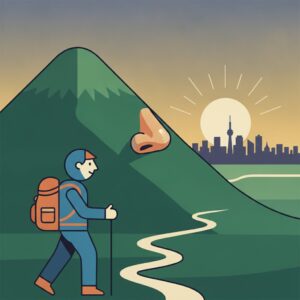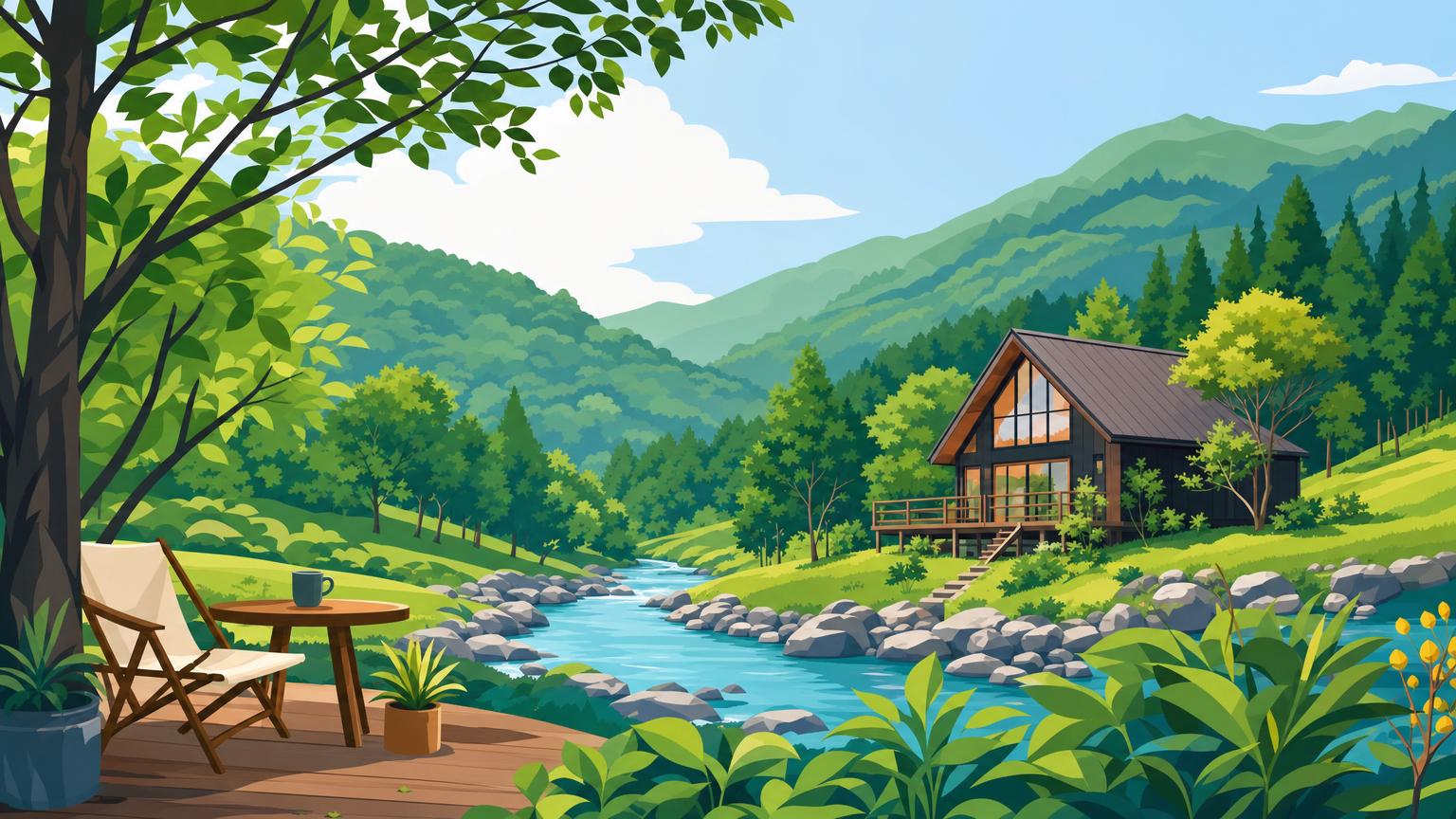
You feel it before you see it. The sudden shift in the air. The heavy, humid, exhaust-choked breath of central Osaka slowly giving way to something sharper, something cooler, something remarkably alive. You leave the neon-drenched streets of Umeda behind. You leave the aggressive crosswalks, the rattling subway cars, the towering concrete overpasses, and the endless, labyrinthine underground malls. You point your compass north. You head into the deep, rolling green. You are entering the Nose and Toyono District, the hidden satoyama backyard of Osaka.
For a foreign resident trying to decode the frantic rhythm of Kansai life, understanding Osaka means understanding how its people escape it. We are a city of talkers. We are a city of hustlers, merchants, comedians, and street-food philosophers. We live out loud. But even the loudest city needs a place to be quiet. Even the most relentless merchant needs a place to step off the pavement and stand in the dirt. Nose is that place. It is not a polished resort town. It is not a place to see and be seen. It is a working agricultural district, a landscape of tiered rice paddies, ancient cedar forests, crumbling farmhouses, and winding mountain roads. It is where everyday Osaka people go to wash the city off their skin.
I am Ayaka, and I grew up watching the seasons change across these very kinds of small, quiet towns in rural Japan. I know the texture of the frost on the winter cabbage, and I know the deafening roar of the cicadas in the thick heat of August. I know why people from the city come here, with their tired eyes and tense shoulders, seeking a rhythm that is dictated by the sun and the soil rather than the train schedule. I want to show you this side of our world. I want to take you beyond the stereotypes of takoyaki and neon signs, past the superficial tourist guides, and into the raw, honest, beating heart of the Osaka countryside. I want to give you the ultimate Nose Toyono District weekend getaway, not just as an itinerary, but as a lens to understand the true mindset of the people who call this region home.
Escape the City: Why Nose and Toyono Make the Perfect Weekend Getaway
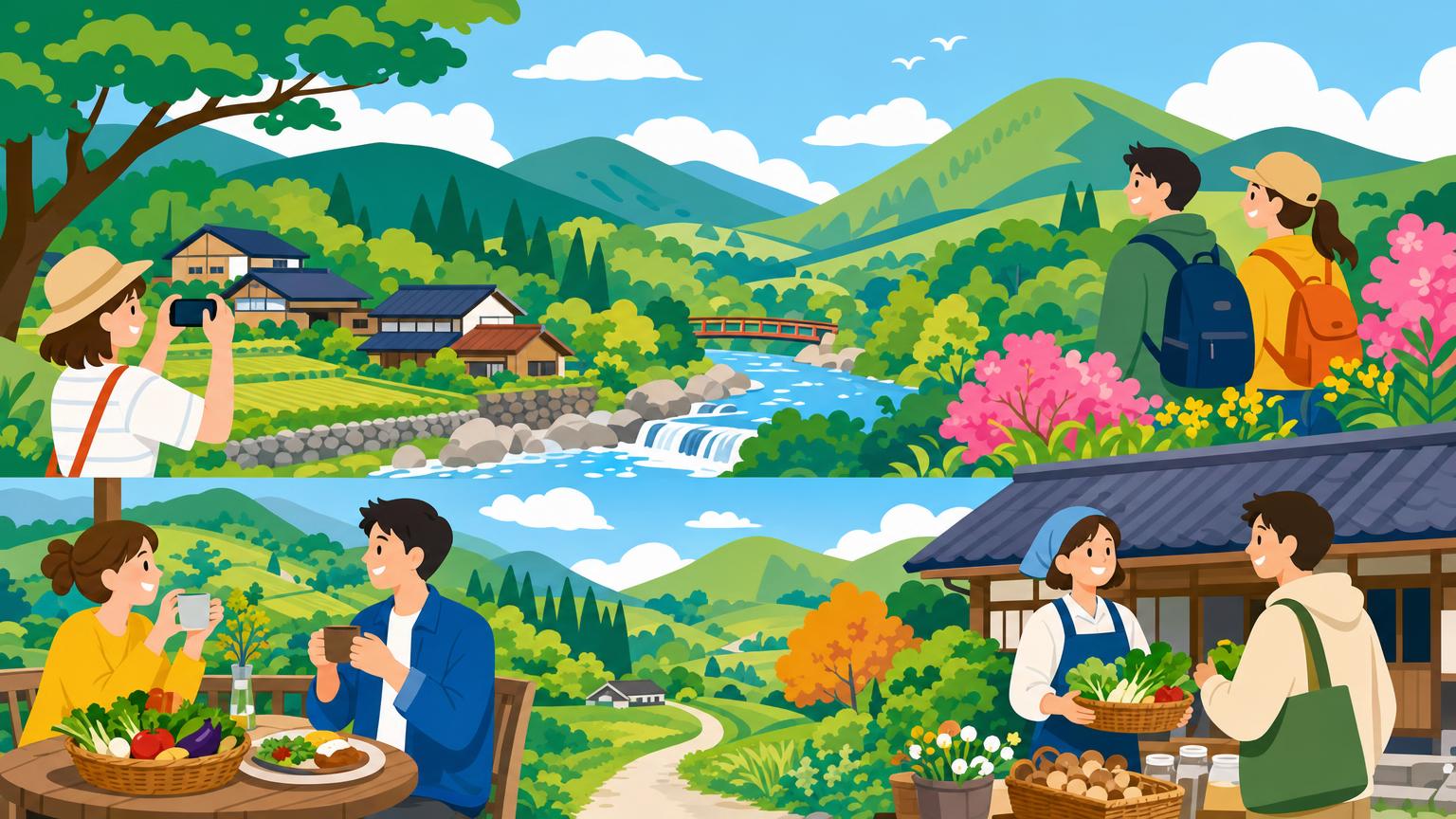
To grasp why a trip to Nose is so essential to the local psyche, you must first understand the fundamental difference between Osaka and Tokyo. Tokyo is a city built upon the foundations of samurai bureaucracy and imperial authority. It is a city of rules, quiet compliance, maintaining face, and strict social hierarchies. When Tokyo residents seek a weekend getaway, they head to places like Karuizawa or Hakone—pristine, meticulously maintained resort towns. There, they drink expensive coffee, wear designer winter coats, stay in upscale ryokans, and uphold their social status in a more scenic setting.
Osaka, by contrast, is a completely different world. It is founded on the merchant spirit and the akindo mindset. Historically governed by commoners, traders, and shopkeepers, it lacks the rigid samurai hierarchy found in Tokyo. Everything here is negotiable and practical. Honesty, humor, and a good deal are prized over pretension and status. When an Osakan is weary, they don’t want to dress up and put on a show of wealth in a mountain resort. They want to remove the mask entirely, slip into comfortable sweatpants, drive an hour north into the Toyono District mountains, buy a large bag of cheap, misshapen, dirt-covered daikon radishes directly from a farmer, eat a hearty bowl of udon, and soak in a hot spring without caring who is watching.
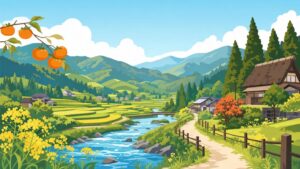
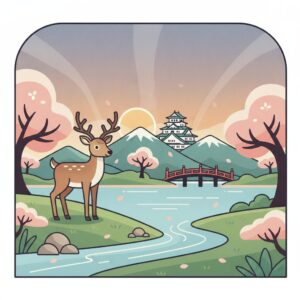
Nose offers this unpretentious, deeply authentic escape. The concept of satoyama is key here. Satoyama refers to the borderland where arable flatland meets mountain forest—a landscape shaped by centuries of harmonious human agriculture. It is not wild, untouched wilderness but nature that has been lived in, cultivated, and cherished by generations of farmers. For an Osaka local trapped in the city’s concrete grid, Nose’s satoyama represents a return to a fundamental human existence. It is the perfect weekend retreat because it demands absolutely nothing from you. There is no need to impress anyone. You simply breathe.
Foreign residents often misunderstand Osaka’s friendliness as a lack of boundaries. They notice the loud conversations on trains, the aggressive bargaining in shopping arcades, and the instant camaraderie of izakaya owners, assuming Osaka people are never stressed. This is a serious misconception. The pressure to be funny, engaging, to constantly read the room, and deliver the right comedic response is a heavy burden. Kansai culture calls for intense social energy. Nose is the relief valve, the place where the relentless, exhausting machinery of Osaka social interaction finally powers down. You escape to Nose to stop performing.
The Ultimate Nose and Toyono Weekend Itinerary
Planning an itinerary for this region requires a particular mindset. If you cram your day with back-to-back sightseeing activities, you completely miss the essence of the satoyama experience. You’re merely bringing the frantic pace of the city into the forest. A genuine local weekend itinerary is slow. It is intentional. It allows plenty of empty moments for simply sitting on a wooden porch and watching the wind dance through the cedar trees.
Day 1: Immersing in Satoyama Nature and Unwinding in Hot Springs
The trip begins on a Saturday morning. There’s no rush. You wake up, enjoy a simple breakfast, and head out. Public transportation is available, but renting a car is the authentic local way to explore the northern part of the prefecture. Driving along Route 423, the change is captivating. The dense, gray urban sprawl of Ikeda and Minoo suddenly gives way. The road curves upward. You turn off the car’s air conditioning. Windows down. You breathe in the scent of damp earth, pine needles, and a faint trace of woodsmoke.
Your first stop is inevitably a local farmers market, often called a Michi-no-Eki. This is a fundamental part of rural Osaka life. Inside, you find heaps of seasonal produce. In autumn, chestnuts as big as golf balls and dark, earthy shiitake mushrooms. In spring, bright green bamboo shoots and wild mountain greens. Watch the older Osaka women, the legendary obachan. See how they inspect a cabbage. Hear how they chat with the cashiers. There is a profound, instinctual respect for food here. Buying local vegetables isn’t a trendy, hipster fad in Osaka. It’s a practical, joyful pursuit of quality and value. You purchase a bag of persimmons for the road. Eating them by the car, the sweet juice sticky on your fingers, you gaze out over the terraced rice fields.
By afternoon, the stress of the city has begun to fade, but your muscles still remember the office chair. It’s time for the onsen. Nose Onsen isn’t a luxury spa. It’s a simple, beautiful, deeply communal bathing experience. You enter the changing room. You strip off your clothes. In doing so, you shed your job title, your social status, and urban worries. You step into the steamy, echoing bathhouse. You wash carefully. Then, you settle into the outdoor bath, the rotenburo. The water is hot, mineral-rich. Crisp mountain air brushes your face. This is the moment your weekend truly begins.
Day 2: Mountain Views, Cozy Cafes, and Farm-Fresh Flavors
Sunday morning in the Toyono district is marked by mist. Fog nestles low in the valleys, draping farmhouses in a soft, gray veil. Silence reigns, broken only by the sharp call of a crow or the distant hum of a light pickup truck. You wake slowly. The air is crisp. You sip hot green tea, warming your hands around the ceramic cup.
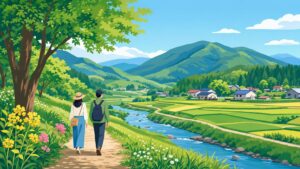
After a slow, hearty breakfast of rice, miso soup, and grilled fish, you head toward the mountains. The Mt. Myoken trails are challenging enough to get your blood flowing, yet gentle enough for conversation. Hiking here isn’t a race. It’s a communal walk. Along the path, you pass small stone statues of Jizo, protector of travelers, dressed in faded red bibs. You leave a small coin. You bow your head. Religion in Kansai is deeply practical and quietly woven into daily life. It’s less about strict doctrine and more about honoring a respectful relationship with nature.
By midday, hunger sets in. Over the past ten years, a quiet revolution has unfolded in these valleys. Disillusioned chefs and bakers from the city have relocated here, renovating old farmhouses into small, artisanal cafes and bakeries. Kansai residents have a deep, almost obsessive love for bread, especially thick, fluffy shokupan. Discovering a hidden bakery down a narrow dirt road, smelling yeast and butter blending with the forest air, is a genuine delight. You sit on a wooden deck. Drink pour-over coffee roasted on site. Eat a thick slice of toast slathered with local honey. You gaze at the green hills and realize you haven’t thought about your inbox in twenty-four hours.
Top Things to Do in the Toyono District
Simply listing attractions does a disservice to the region. The activities here serve as ways to immerse yourself in the local mindset. They are designed to reconnect you with the physical world, offering a striking contrast to the digital, abstract nature of modern urban work.
Soak in the Healing Waters of Nose Onsen
The hot spring is Japan’s great social equalizer, and nowhere is this clearer than in Osaka. If you visit an onsen in Tokyo, you’ll notice a distinct quietness. People keep to themselves, stare straight ahead, and respect the invisible boundaries of personal space. Osaka hot springs, however, operate on an entirely different wavelength. When you ease into the thermal waters of Nose Onsen, don’t expect a silent, meditative retreat—expect community.
Older men and women will strike up conversations, ask where you’re from, complain about the weather, discuss the recent Hanshin Tigers game, and offer unsolicited health advice. For foreign residents, this can initially be surprising. The unabashed nakedness, paired with casual, lively chatter, breaks every Western rule of bodily privacy. Yet this is the essence of local culture, known as hadaka no tsukiai, or naked socializing. Without clothing as armor, there’s nothing to hide behind. The conversations are honest, straightforward, and deeply heartfelt. You come to realize that the gruff Osaka street vendor and the naked, chatty grandfather in the bath are one and the same. The water heals the body, and the absence of pretense heals the mind.
Hike and Explore the Mt. Myoken Area
Mt. Myoken, straddling the border of Osaka and Hyogo prefectures, serves as both a spiritual and physical anchor for the region. The mountain has been revered for centuries and is home to the Nose Myokenzan temple, part of the Nichiren sect of Buddhism. Yet, you must view this through the practical lens of local culture.
People from nearby cities don’t come solely for quiet religious reflection. They come to pray for very tangible outcomes—business success, good grades for their children, and safe travels. The Kansai connection to the divine is transactional and grounded in daily life. The hike itself reflects this attitude. Trails wind through majestic cedar forests, offering breathtaking views of the valleys below. It’s physical exertion paired with spiritual grounding. You walk the same paths that merchants and farmers have traveled for centuries. The climb forces you to breathe deeply, shaking off the stale air of subway commutes and filling your lungs with the fresh, crisp mountain scent.
Discover Hidden Satoyama Cafes and Bakeries
The rural cafe is an intriguing phenomenon in modern Japanese demographics. For decades, rural Japan’s story was one of decline, as young people fled to the bright lights of Osaka and Tokyo, leaving behind empty homes and aging communities. Yet recently, a counter-movement has emerged. A new generation of urbanites, weary from the relentless corporate grind, are returning to places like Nose.
They renovate kominka—traditional wooden farmhouses with thatched roofs and massive timber beams—transforming them into charming, slow-paced businesses. Visiting these cafes is about more than just eating; it’s about taking part in rural revitalization. Sitting in one, you experience the blend of old and new. You eat sourdough bread made by a former graphic designer from Umeda, inside a house built by a rice farmer a century ago. The aesthetic embraces wabi-sabi, finding beauty in imperfection and age. Wooden floors creak, sliding paper doors diffuse soft light, and the food is fiercely local, relying on vegetables grown in the fields you passed on your way up. It is a culinary experience deeply rooted in place, showing that progress doesn’t always mean building taller skyscrapers—it can mean returning to the earth.
Where to Stay: From Traditional Ryokans to Modern Glamping
The choice of accommodation in the northern valleys shapes the character of your weekend. The available options mirror the evolving preferences of the modern traveler, blending ancient hospitality with contemporary comfort.
For those wanting to fully immerse themselves in local history, staying in a traditional ryokan is a must. A ryokan stay is an exercise in surrender. You don’t control the schedule. Dinner is served when it’s ready. The bath is drawn when it’s drawn. You remove your shoes at the entrance and don’t put them back on until you leave. You walk on soft tatami mats and sleep on a futon laid out on the floor. The hospitality, omotenashi, is exquisitely refined yet delivered with that distinct Kansai warmth. The proprietor will probably engage you in conversation, ensuring you’re eating enough and comfortable. Meals are kaiseki, multi-course feasts featuring seasonal, local ingredients. You’ll encounter dishes you can’t identify, crafted from mountain-foraged and locally caught foods. It’s a humbling, profoundly grounding experience.
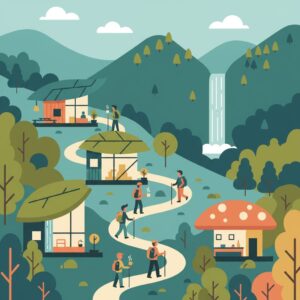
Alternatively, the region has embraced the glamping trend, appealing especially to younger urban families who want to connect with nature without the daunting etiquette of a traditional inn. Glamping in Nose often features luxury tents on wooden decks overlooking the river valleys. You sleep in a real bed. You grill premium local beef on a provided barbecue. You relax by a fire pit beneath the stars. It’s the perfect middle ground for city dwellers craving fresh air but still wanting curated comfort. Both options share the same core purpose: encouraging you to slow down, listen to the crickets, and watch the sky shift from blue to black, free from city light pollution.
How to Get to Nose and Toyono from Central Osaka
The journey itself plays a vital role in the psychological transition. Central Osaka is a complex network of high-speed rail, subways, and concrete highways. Navigating it demands heightened awareness. To reach the northern satoyama, you must deliberately slow down from this urban pace.
If you depend on public transit, your trip starts at Hankyu Umeda Station. The Hankyu Railway holds a unique place in the local culture. Unlike the chaotic, practical subway lines, Hankyu trains exude elegance. They feature maroon exteriors and plush, olive-green velvet seats. Riding the Hankyu Takarazuka Line north feels like stepping into a slightly more refined era. As the train departs the towering skyscrapers of Umeda, you notice the landscape changing. Buildings become shorter. The gaps between houses widen. By the time you switch to the Nose Electric Railway, the shift is nearly complete. The small, local train winds its way into the foothills. The stations grow smaller and quieter.
However, to fully explore the depths of the Toyono district, a car is more than a convenience—it is essential. Renting a car in central Osaka and driving north lets you set your own pace. You take the Shin-Midosuji highway north, then merge onto Route 423. The drive lasts about an hour, but the psychological distance feels vast. Having a car lets you stop when you spot a beautiful shrine tucked in the trees. It enables you to carry heavy bags of local rice and vegetables from the farmers market. It grants you the freedom to get lost on narrow, winding roads that snake through cedar forests. Driving here demands a different mindset. You yield to elderly farmers in small trucks. You slow down for the winding curves. The aggressive, bumper-to-bumper tactics of the city ring road simply do not apply here.
Best Time to Visit Northern Osaka’s Countryside
The satoyama is characterized by its seasons. In the city, seasonal changes are marked by evolving displays in department store windows and the switch from hot to cold canned coffee in vending machines. In the countryside, the seasons are a tangible, undeniable force that governs everything from the colors of the landscape to the food on your plate.
Spring is a season of explosive renewal. While tourists crowd the narrow streets of Kyoto, overwhelmed by thousands of selfie sticks capturing cherry blossoms, Osaka residents head north. There, cherry blossoms scatter through the valleys, wild and untamed, blooming slightly later than in the city due to the elevation. The mountainsides erupt with a hundred shades of fresh, vibrant green. The air carries the scent of wet earth and new life.
Summer in the Kansai region is famously harsh. The humidity feels like a physical weight. City concrete traps heat, turning streets into an oven. The mountains offer vital refuge with noticeably cooler temperatures. You escape the scorching asphalt to sit by a cool, rushing mountain stream, eating cold somen noodles and listening to the steady buzz of cicadas. This retreat is essential for survival.
Autumn may be the most breathtaking season. Nights grow sharply colder, prompting maple and ginkgo leaves to blaze with vivid crimson and gold. The harvest is gathered. The air turns crisp and thin. Farmers’ markets overflow with nature’s bounty. It is the ideal hiking season, when sweat is instantly chilled by the mountain breeze.
Winter is stark, silent, and beautiful. Snow occasionally falls—a rarity in the city below. The landscape becomes monochromatic. With the leaves gone, the stark, intricate design of bare branches is revealed. This is the season for the onsen. There is no sensation quite like soaking in a steaming outdoor bath while delicate snowflakes melt on your shoulders. It is a time for reflection, a time to rest before the cycle begins anew.
Frequently Asked Questions About Visiting Nose
Foreign residents often feel practical anxieties about stepping outside the urban bubble. The city offers a safety net of convenience, English menus, and familiar systems. The countryside takes all that away.
Will people speak English? The honest answer is no. You’ll rarely find an English menu in a local udon shop or bilingual signs on hiking trails. But you need to understand the Osaka spirit. People here aren’t daunted by language barriers. They’ll communicate through emphatic pointing, loud Japanese, laughter, and an unwavering determination to make you understand. They want you to enjoy their food. They want you to appreciate their town. Your limited Japanese isn’t a barrier; it’s just a minor, humorous challenge to overcome. Bring a translation app, but more importantly, bring a smile and a sense of humor.
Is it expensive? People from Osaka are famously frugal across Japan. They hate being overcharged and expect value for their money. Because Nose is a playground for locals, prices reflect this practical mindset. You can buy a huge bag of fresh vegetables for just a few coins. A bowl of handmade noodles will cost only a fraction of what it does in a touristy spot like Dotonbori. Luxury glamping and upscale ryokans are pricier, but the core experiences—the hiking, the shrines, the local markets—are very affordable.
Is it safe? Japan is exceptionally safe, and rural areas even more so. Your biggest risks aren’t crime, but perhaps misjudging sunset on a trail or encountering a wild boar in the woods. The community here is close-knit. People watch out for each other. If you look lost, someone might stop their truck to help, even if it means miming directions.
Ultimately, a weekend getaway to the Nose and Toyono district isn’t just a vacation—it’s an education. It shows you that beneath the neon lights, beneath Osaka’s loud comedy and nonstop hustle, there’s a deep, quiet respect for the earth. It reveals that the people of this region aren’t just city dwellers; they are those who understand the importance of dirt, silence, and community. When you return to the city Sunday evening, driving down the mountain, the neon lights of Umeda will appear on the horizon, and the noise will come back. But you’ll carry the silence of the satoyama within you, quietly sheltered in your chest, ready to face the city’s rhythm once more.