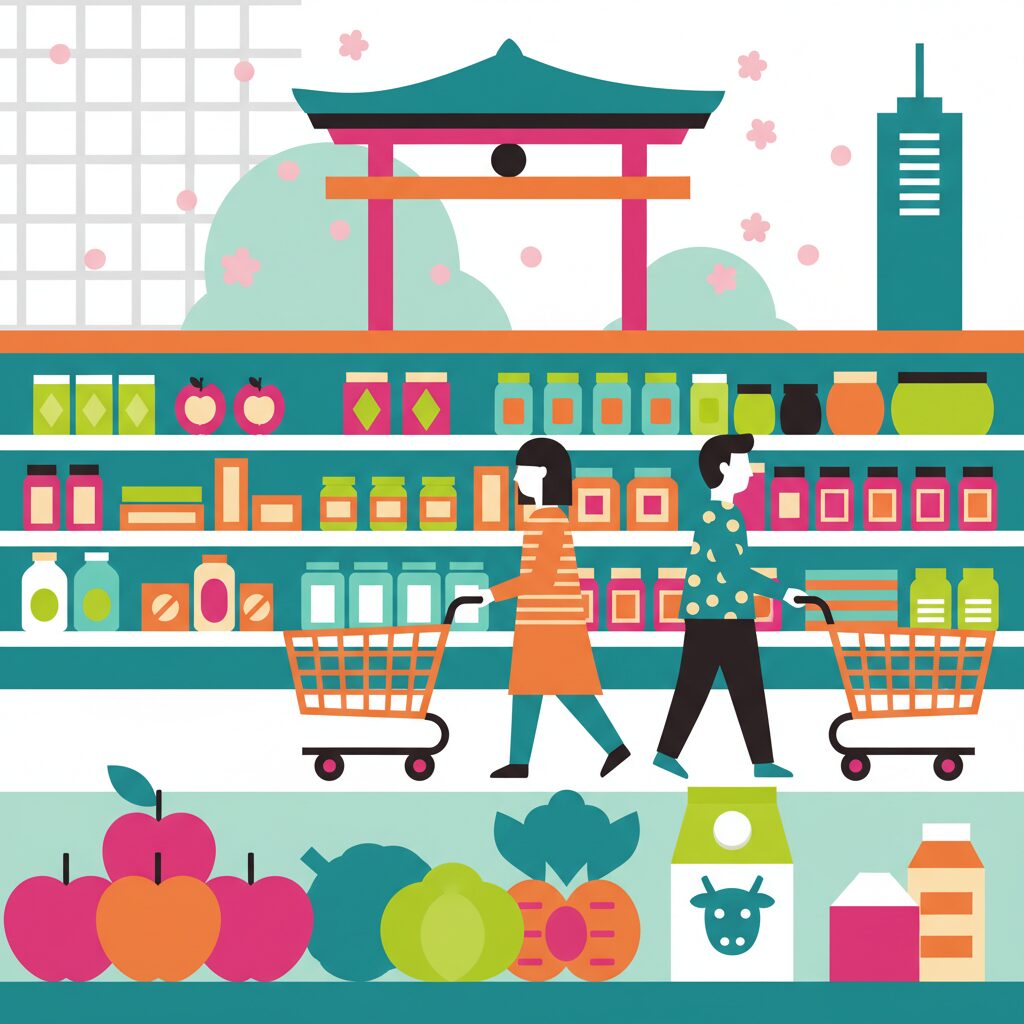
Walk into a supermarket in Tokyo, and you’re greeted by a sense of calm. The lighting is soft, the aisles are wide, and the produce is arranged with the precision of a museum exhibit. It’s a quiet, orderly transaction designed for maximum comfort and minimal friction. Now, step into a supermarket in Osaka. The experience is a full-frontal sensory assault. Blaring neon signs that belong on a pachinko parlor flicker outside. Inside, a relentlessly cheerful and slightly distorted jingle repeats on an endless loop. Handwritten signs in bright, clashing colors scream about deals from every conceivable angle. The aisles are narrow, packed with people and products, and the energy is a chaotic, vibrant hum. This isn’t just shopping; it’s an event. And understanding this difference is understanding a fundamental truth about Osaka itself. The city’s supermarkets are not merely places to procure daily necessities; they are living, breathing extensions of its pragmatic, value-driven, and unapologetically boisterous culture. Forget the curated perfection of the capital; Osaka’s grocery scene is a treasure hunt, a competition, and a community gathering all rolled into one. It’s where the city’s famous merchant spirit lives on, not in grand deals between corporations, but in the simple, profound joy of finding a pack of tofu for 19 yen. This is where you learn how Osaka really works, one bargain at a time.
As the chaos of Osaka’s grocery scene inspires a deeper exploration of local culture, you might enjoy discovering the serene escape found in onsen hopping tours as a refreshing counterpoint.
The Osaka Supermarket Doctrine: A Philosophy of Practicality

To truly understand the essence of an Osaka supermarket, you first need to grasp the local dialect of value. In Japan, two key concepts stand out: kechi and ken’yaku. Kechi means stingy or cheap, carrying a negative connotation that describes someone who hoards money for its own sake, often at the expense of others or their own quality of life. Ken’yaku, in contrast, means frugal, economical, or thrifty, and is considered a virtue. It refers to being smart with money—maximizing its value and finding the best deal without compromising essential quality. An Osakan would take offense at being called kechi, but they wear the badge of ken’yaku with great pride. This mindset forms the foundation of the city’s consumer culture.
This contrasts sharply with the prevailing attitude in Tokyo. In the capital, there is more emphasis on presentation, branding, and the overall shopping experience. Premium supermarkets like Seijo Ishii, Kinokuniya, or even the basement food halls of department stores thrive by offering beautifully packaged organic vegetables, artisanal cheeses, and imported wines. The price is justified by the curation, quality, and sophisticated atmosphere. You pay for the product, yes, but also for the sense of elegance and the assurance that you are buying the “best.”
Osaka’s approach is far more straightforward. The key question is not “Is this the most beautiful apple?” but “Is this a good apple at a great price?” Aesthetic appeal is a distant secondary concern. This is why the typical Osaka supermarket feels less like a boutique and more like a warehouse perpetually on the brink of a clearance sale. The lighting is harsh and fluorescent, designed for visibility, not ambiance. Aisles are packed to maximize shelf space, not for comfortable browsing. Handwritten signs are favored over sleek, printed ones because they convey immediacy and personality—a shop manager personally telling you that this deal can’t be missed. It’s a culture of substance over style, a relentless pursuit of kosupa (a Japanese portmanteau of “cost performance”). Satisfaction comes not from a serene environment, but from the thrill of the hunt and the triumph of a shopping cart filled with high-value goods. It’s a game, and in Osaka, everyone loves to win.
The Holy Trinity of Osaka Bargain Hunting
While national chains like Aeon or Life can be found in Osaka, the city’s genuine grocery identity is shaped by a distinctive ecosystem of local players. Each caters to a different aspect of the ken’yaku mindset, forming a trio of bargain-hunting spots that every resident knows well.
Super Tamade: The Neon-Soaked Palace of Paradox
You spot a Super Tamade before you hear it, and hear it before you step inside. The exterior is an unforgettable burst of garish yellow and red, decorated with flashing neon lights illustrating everything from fish to flowers. It looks less like a grocery store and more like a pachinko parlor that lost a bet. This is entirely intentional. In a city overwhelmed with stimuli, Tamade shouts for your attention, offering not just groceries but a spectacle. The name “Tamade” can be interpreted as “ball out,” a playful reference to both pachinko balls and the idea of spending freely because the prices are so low.
Once inside, the sensory overload intensifies. The infamous store jingle—an upbeat, slightly off-key earworm—accompanies you constantly. The aisles twist through towering stacks of instant noodles, brightly colored displays of cheap snacks, and coolers brimming with an astonishing variety of prepared foods. The star attraction is the legendary “1-Yen Sale.” Promoted with huge signs, this deal lets you buy a specific item—a carton of eggs, a block of tofu, a bag of bean sprouts—for a single yen, provided you spend at least 1,000 yen on other products. It’s a classic loss-leader scheme, but in Osaka, it becomes a cultural ritual. Shoppers plan their trips around the 1-yen item of the day. It’s a challenge, a small triumph in daily life. Snagging that one-coin bargain feels like outsmarting the system.
The products themselves reflect practicality. The bento boxes are famously inexpensive, often starting around 250 yen, offering a filling, if not gourmet, meal of rice, a main protein, and some pickles. The sushi is priced to sell quickly, and the prepared side dishes, or souzai, are plentiful. You might find fluorescent pink pickled ginger or unnaturally vivid green seaweed salad. Quality can vary; fresh produce might not be picture-perfect, and the meat may be standard rather than premium grade. But that misses the point. Tamade isn’t aiming to be a luxury grocer. It proudly serves as a provider of sustenance for the working class, students, and anyone on a budget. It’s an honest institution, and its chaotic, slightly grimy charm makes it a beloved, indispensable part of the Osaka scene.
Gyomu Super: The Industrial Powerhouse for the People
If Super Tamade is the flashy showman of Osaka’s grocery world, Gyomu Super is the stoic, hyper-efficient workhorse. The name means “Business Supermarket,” and it started as a supplier for restaurants, canteens, and food service businesses. Yet it’s open to the public, and Osakans have embraced it as their spot for stocking pantry essentials. The look is purely functional: concrete floors, industrial steel shelves, and products often displayed right in the cardboard boxes they arrived in. There are no frills here, only efficiency.
Gyomu Super’s genius lies in its scale and procurement. By selling in bulk and importing directly from factories worldwide, it offers prices that are often astonishingly low. This is where you go for a one-kilogram bag of frozen fried chicken pieces, a two-liter bottle of pasta sauce, or a massive block of cheese. For foreigners, it’s a treasure trove, featuring familiar products from Europe, Southeast Asia, and the Americas at far less cost than specialty import stores in Tokyo. Want frozen Belgian waffles? A giant jar of Polish pickles? Gyomu Super has it.
This approach fits perfectly with the Osaka mindset of smart, long-term planning. Why buy a small, costly bottle of cooking oil weekly when you can get a giant tin lasting for months at a much lower per-unit price? It’s the essence of ken’yaku. You see it in the shoppers themselves: mothers planning meals for large families, students pooling resources for shared dinners, and small izakaya owners stocking up on frozen edamame and yakitori skewers. Gyomu Super democratizes bulk buying, bringing restaurant-supply advantages to everyday households. It’s less a daily shopping spot and more a strategic monthly mission to build a base of low-cost staples, freeing the budget for fresh ingredients elsewhere.
Local Shotengai: The Heartbeat of the Neighborhood
The third pillar of Osaka’s grocery landscape is the shotengai, traditional covered shopping arcades. While the large discount chains focus on price and volume, the shotengai delivers something equally valuable: community and specialized quality. These arcades are the lifeblood of residential neighborhoods, lined with small, family-run shops often passed down through generations. Here, you won’t find pre-packaged, plastic-wrapped perfection. Instead, you’ll meet a fishmonger who can tell you which fish is best today, a butcher who will custom-grind meat for you, and a greengrocer whose vegetables were likely picked that very morning.
Shopping in a shotengai is a more personal, interactive experience. Prices might not always match Tamade’s low levels, but the value is different. You pay for freshness, expertise, and human connection. The tofu vendor will know you prefer firmer momen over silken kinu. The pickle shop owner will let you sample before you buy. This is commerce based on relationships, a world apart from the anonymous efficiency of large supermarkets. It taps into another side of Osaka’s character—not the loud, bargain-driven merchant, but the warm, neighborly community member.
These independent grocers are where Osakans go for the ingredients that truly matter. You might build your meal’s foundation with staples from Gyomu Super and sprinkle in cheap bentos from Tamade, but when it comes to making a truly delicious nabe (hot pot), you head to the shotengai for the freshest vegetables, top-quality meat, and artisanal fish cakes. It’s a hybrid system, a skillful mix of thrift and selective indulgence that supports a high quality of life on a reasonable budget. It shows that the Osaka shopper isn’t just frugal; they are remarkably strategic.
Navigating the Aisles: An Unspoken Etiquette Guide
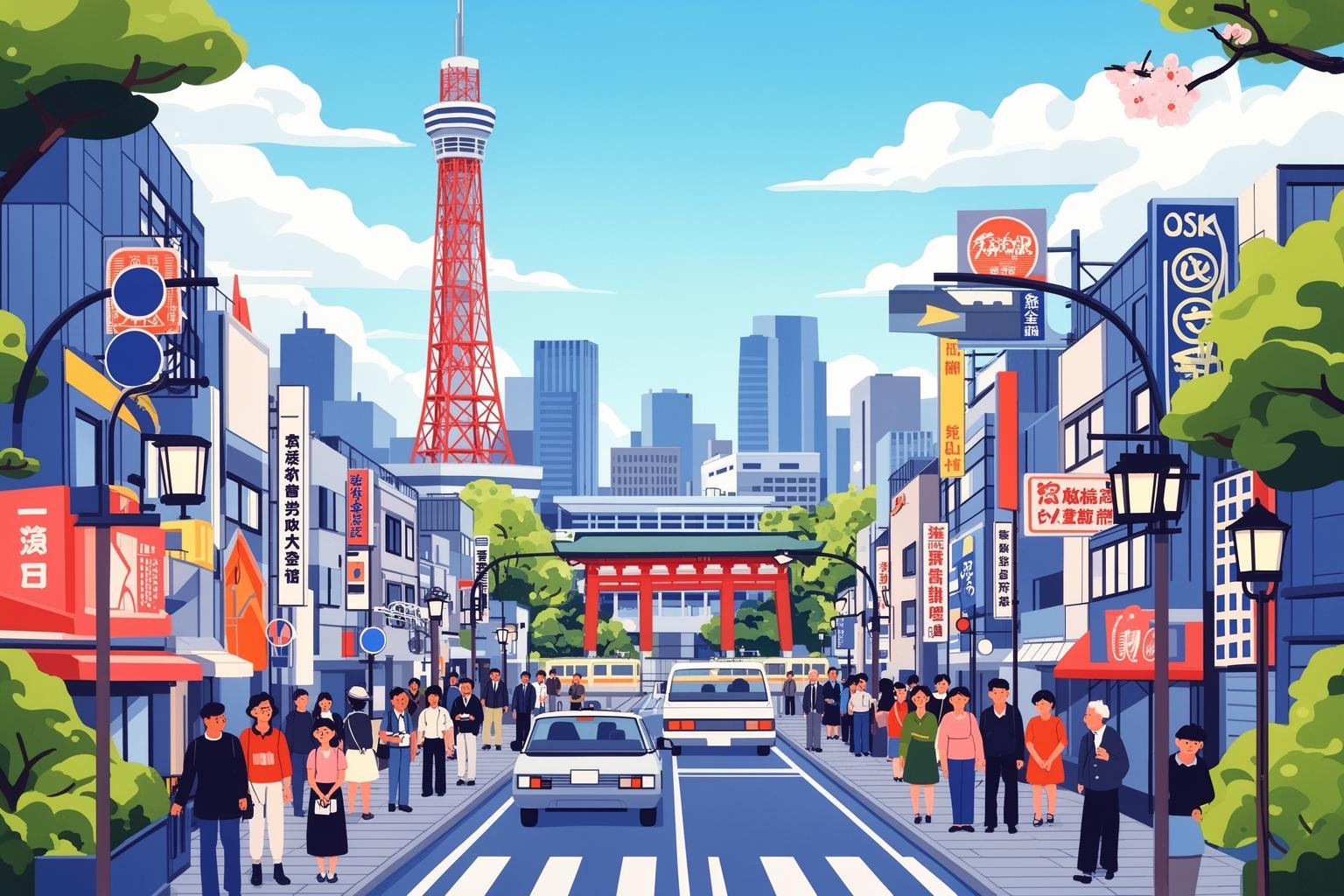
Shopping in an Osaka supermarket demands a certain level of situational awareness and acceptance of organized chaos. The rules are unwritten but are deeply embedded in the local culture. The first thing you’ll notice is the pace — it’s fast. People move with purpose. The leisurely, meandering browsing common in more spacious stores is replaced by a determined stride.
Mastering the shopping cart dance is the first skill you need. Aisles are often narrow and packed with promotional displays, creating a complex flow of traffic that calls for a balance of assertiveness and cooperation. You can’t be timid, but neither can you bulldoze through. You learn to anticipate others’ movements, find small gaps to slip through, and make your selections quickly. A polite nod or a quick “sumimasen” (excuse me) suffices to navigate any congestion.
At checkout, this efficiency is taken up a notch. Cashiers are experts in speed, scanning items with smooth, practiced rhythm. There’s no time for idle chit-chat. Have your wallet, point card, and payment method ready before you reach the front of the line. After paying, the next step is bagging your own groceries. Unlike many Western countries where bagging is part of the service, in Japan, it’s almost always self-service. In Osaka, there’s added pressure to do this quickly. A dedicated bagging counter is provided, and you’re expected to move your basket there immediately to clear the register for the next customer. Fumbling with bags at the checkout is a rookie mistake that invites impatient glances.
Perhaps the most exciting part of the daily shopping ritual is hunting for waribiki (discount) stickers. As closing time nears, store employees roam the aisles with sticker guns, marking down perishable items like bento, sushi, and souzai. This practice is common throughout Japan, but in Osaka, it often feels like a competitive sport. Shoppers, affectionately called “waribiki hunters,” shadow the employees, ready to pounce as soon as a sticker is applied. There’s an unspoken understanding among the hunters—a shared goal that fosters a unique camaraderie. Securing a half-price sushi platter at 8 PM is a moment of pure, unfiltered triumph, a testament to patience and strategic timing.
What This Says About the Osaka Mindset
At its core, a supermarket is simply a place to buy food. Yet in Osaka, it serves as a powerful window into the city’s soul. The grocery scene reveals a culture that is deeply practical, fiercely independent, and rich with a love for life’s simple, tangible joys.
Pragmatism Over Polish
Osaka was founded by merchants, not samurai. It’s a city that has always prioritized practical results over strict formality. This is clear in its supermarkets. While a Tokyo store might focus on creating a serene and beautiful atmosphere, an Osaka store focuses on lowering prices. The Osakan shopper values this. They see beyond fancy packaging and soft lighting and ask a straightforward question: am I getting a good deal? This pragmatism permeates every aspect of life, from business dealings to personal relationships. Osakans are known for their directness, honesty, and lack of pretension. Their supermarkets embody this perfectly—they are exactly what they seem, with no hidden motives.
Life as Entertainment
In Osaka, there is a strong belief that everyday life should be enjoyable. Why should a routine task like grocery shopping feel sterile? The flashing lights and catchy jingle of Super Tamade are more than marketing; they aim to bring a bit of fun and energy to the daily routine. The excitement of the 1-yen sale and the competitive hunt for discounts are part of a mindset that finds entertainment and engagement in the ordinary. This same spirit drives the city’s lively comedy scene and its energetic nightlife. Life is meant to be lived fully, not merely tolerated.
An Honest, Unvarnished Economy
Osaka’s supermarkets convey a culture that values honesty through their straightforwardness. Tamade doesn’t try to be anything else—it proudly serves as a discount grocer for the masses. Gyomu Super is an unpretentious warehouse of bulk goods. This bluntness is refreshing and creates a unique kind of trust. In a world of carefully crafted brand images, the raw, unrefined nature of these stores feels genuine. It reflects the communication style of the people themselves, who tend to be straightforward and less focused on the subtle, unspoken cues that often characterize interactions elsewhere in Japan.
So, next time you’re in Osaka, skip the tourist spots for an afternoon and visit a local supermarket. Let your senses be overwhelmed by the chaos of Super Tamade. Plan your pantry restock at Gyomu Super. And chat with the friendly vendors in a neighborhood shotengai. You’ll leave tired, your ears ringing from the jingles, and your arms sore from carrying bags of incredible deals. But you’ll also take away more than groceries—you’ll gain a true understanding of what makes this city tick: its relentless energy, sharp-witted pragmatism, and big, unpretentious heart.