You’ve been in Osaka for a minute. You’ve mastered the train lines, you have a favorite takoyaki stand, you can even navigate the controlled chaos of the Umeda underground. But something’s missing. You feel the city’s energy on the street, in the roaring welcome of an izakaya, but you’re wondering where the real, everyday life happens. Where do people connect when they’re not working or drinking? You see the towering condos and the tight-knit houses, and you think, where is the community? The answer, my friend, is hiding in plain sight, likely in the most unassuming, beige, concrete building in your neighborhood: the Kumin Center, or Ward Community Center. Forget what you think you know about city-run facilities. These places aren’t just sterile offices for paperwork. They are the living, breathing heart of neighborhood Osaka, the city’s public living room where the social glue is mixed and applied daily. This is where the loud, pragmatic, and deeply communal spirit of Osaka truly comes alive, far from the tourist trails and curated experiences. It’s the key to understanding how this city works on a human scale.
Explore how the design of public spaces not only brings communities together in Osaka but also mirrors the concept of finding your place in Kansai’s neighborhoods for a broader regional perspective.
The Kumin Center: More Than Just a Civic Building
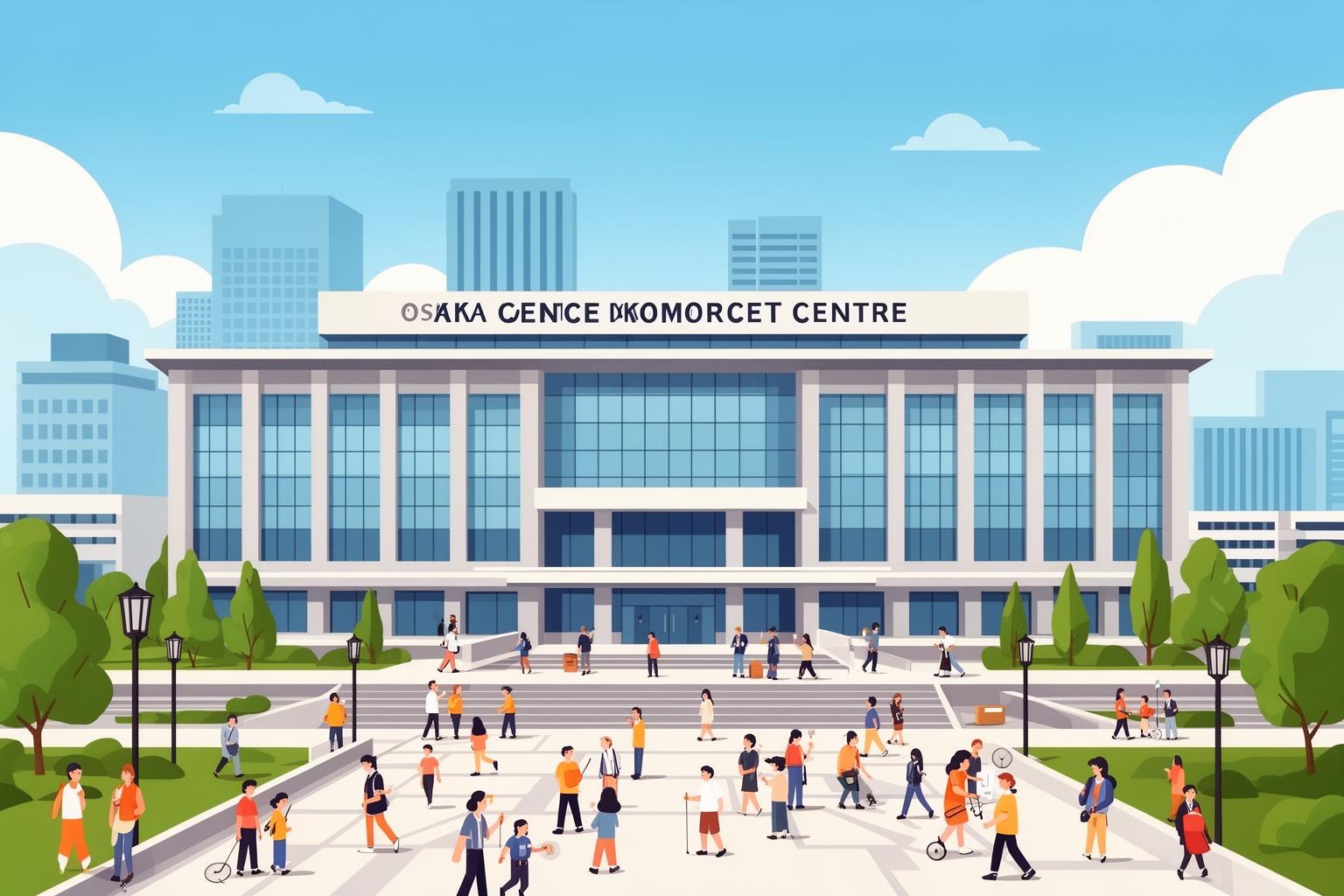
Walk past a Kumin Center and you might barely notice it. These buildings were designed for function, not Instagram appeal. Picture sturdy, multi-story structures from the seventies or eighties, characterized by clean lines and practical windows. There’s no elaborate architecture, no trendy café in the lobby. This aesthetic is quintessentially Osaka. It’s a city that values substance over style. Why spend taxpayer money on a flashy exterior when it could instead reduce rehearsal room rental fees by a hundred yen? This practical mindset is ingrained in the city’s DNA—a merchant’s approach that prioritizes a good deal and solid foundation over superficial shine. It stands in stark contrast to the architecturally-driven, visually striking public spaces you might encounter in Tokyo. Here, the building serves as a tool, a vessel for the community it supports, with its beauty rooted entirely in its usefulness.
What Exactly IS This Place?
So, what’s its purpose? Officially, it’s a municipal facility for residents of a particular ward, or ku. It’s a public space designed to enhance the cultural, educational, and recreational lives of local people. That description might sound dull, but the reality couldn’t be further from it. A Kumin Center functions as a versatile hub for human activity. On any given day, you’ll find a library, often featuring a cozy children’s section. There are meeting rooms of various sizes available for rent at a very low cost. Usually, there’s a large hall with a stage, ideal for everything from local theater productions to piano recitals. Some centers include a Japanese-style tatami room for tea ceremonies or kimono classes. Many even offer basic gym facilities or a pottery studio tucked away in the basement. It’s a one-stop shop for neighborhood life, a centralized space that keeps the community from splintering into numerous expensive, private, and inaccessible niche venues. This consolidation is crucial to how Osaka nurtures its famously close-knit neighborhood atmosphere.
A Look Inside the Daily Hum
Step inside on a weekday morning, and the air buzzes with a quiet energy. A group of seniors might be gathered in a sunlit room, moving in unison during a gentle tai chi session. Down the hall, the rhythmic clacking of mahjong tiles resonates. The library hosts its share of devoted readers, absorbed in novels and newspapers. By afternoon, the building’s atmosphere shifts. The quiet hum gives way to the delighted shrieks of toddlers in a parent-and-child playgroup, a joyful chaos reverberating throughout the corridors. Young mothers connect, exchanging tips and frustrations, building support networks essential for raising children in a dense city. As evening falls, the center changes once more. Basement rooms pulse with the muffled bass of a high-school rock band practicing their set. The main hall fills with the harmonious voices of a chorus rehearsal, rising and falling in unison. In another room, residents focus intently on a shodo calligraphy class, the scent of sumi ink permeating the air. This is the authentic soundtrack of Osaka life—a symphony of hobbies, learning, and simple human connection—all unfolding beneath one practical roof.
The Unspoken Rules of Osaka’s Public Living Room
Navigating a new social environment in Japan can feel daunting, filled with unwritten rules and potential missteps. However, the Kumin Center operates on a distinctly Osakan wavelength. The atmosphere is less about strict formality and more about approachable, practical functionality. Grasping this change in mindset is essential for any foreigner looking to connect with the local flow. It’s a space guided by a spirit of pragmatism and a surprising level of straightforwardness, which can be both refreshing and a bit startling if you come from a more reserved background.
The ‘Feel Free to Ask’ Mentality
Your first stop will likely be the information desk in the lobby. The staff behind this counter are your greatest asset. They are not mere bureaucrats shuffling papers; they are often long-time residents of the ward and living encyclopedias of local knowledge. Here, typical Japanese indirectness takes a back seat. In Tokyo, you might approach a similar desk with a carefully phrased, formal question. At an Osaka Kumin Center, you can be much more direct. Walk up and say, “I want to do something interesting. What’s happening here?” You won’t be met with a blank stare. Instead, you’ll likely receive an enthusiastic, somewhat nosy, and extremely helpful reply. They’ll want to know what you like, where you’re from, and what you’re seeking. I once casually asked about cooking classes, and the woman at the desk launched into a ten-minute monologue, handed me three different flyers, called a friend who runs another group, and even tried to sign me up for a taiko drumming class she thought I’d enjoy based on my “energetic vibe.” This is Osaka friendliness at its purest: proactive, a little meddlesome, and genuinely aimed at getting you involved.
Low Cost, High Value: The ‘Mottainai’ Spirit in Action
Take a look at the price list for renting a room or joining a class—you’ll need to read it twice to believe it. A soundproof music room for two hours might cost less than a cup of coffee. A spot in a ten-week pottery course might be priced like a single dinner out. This isn’t an error; it’s a core philosophy. This remarkable affordability directly reflects the Osakan mindset, particularly the ideas of being shrewd (kashikoi) and avoiding waste (mottainai). An Osaka local sees no reason to pay exorbitant fees for a private dance studio when a perfectly good public one is available for a fraction of the cost. The money saved is better spent on good food or drinks with friends after practice. This isn’t about being cheap; it’s about being wise with resources. It ensures that hobbies and community activities aren’t luxuries reserved for the wealthy. It democratizes culture and makes it accessible to everyone, from students to retirees. This sharply contrasts with the commercial pressures of Tokyo, where every hobby seems to come with a high price tag and a fancy dedicated facility, creating invisible economic barriers to participation.
Finding Your Tribe: From Ikebana to Hip-Hop
The true magic of the Kumin Center lies in its ability to bring people together. It’s a place where shared interests naturally foster genuine connections among residents who might otherwise never meet. In a vast city, it’s easy to feel invisible. The center serves as the remedy, a physical space to discover your niche and, consequently, your community. It’s where you can shift from being an anonymous resident to a valued member of a community, one shared passion at a time.
The Bulletin Board: An Analog Social Network
Even before speaking to anyone, your eyes will be drawn to the bulletin board. Usually, it’s a sprawling, chaotic, and beautiful collection of paper. Forget sleek digital displays—this is a burst of analog community spirit. You’ll find carefully handwritten posters for a seniors’ choir, complete with charming hand-drawn musical notes. Nearby, a crisp photocopied flyer advertises a kids’ hip-hop dance class. Tacked on with a thumbtack is a small typed notice about a free legal consultation service. Another flyer, embellished with washi tape, promotes a hula dancing circle. This bulletin board acts as the neighborhood’s raw, unfiltered social media feed. It’s a lively, democratic patchwork created from the interests, needs, and passions of local residents. It mirrors the incredible diversity of the ward: ikebana alongside English conversation, ukulele groups next to volunteer calls for park cleanups. Spending a few minutes studying this board provides a more accurate and intimate glimpse of the neighborhood’s character than any census data or guidebook could.
Joining a Circle: A Guide for the Nervous Newcomer
So, you’ve noticed a poster for a shogi (Japanese chess) club that catches your eye. What’s next? Joining an all-Japanese group may feel intimidating for a foreigner. But this is where the Osakan spirit works to your advantage. The barrier to entry is often much lower than expected. Typically, the first step is just to call the number on the flyer or, more commonly, simply show up at the specified time and place. Don’t stress about having a flawless introduction. A straightforward “I saw your poster and I’m interested” (posutaa o mimashite, kyoumi ga arimasu) is more than sufficient. The response you receive will likely be one of curiosity and welcome, not suspicion or exclusion. In many parts of Japan, social circles can feel formal and hierarchical. In Osaka, the environment tends to be more relaxed. Genuine interest and a willingness to participate matter far more than perfect Japanese or expert skill. They’ll be intrigued by a foreigner’s presence and eager to help you get started. The emphasis is less on strict proficiency and more on shared enjoyment of the activity. Expect plenty of questions, some friendly teasing, and an immediate invitation to join the post-session drinking party. This is how you become woven into the fabric of the community.
How Kumin Centers Explain the Real Osaka
If you truly want to understand what makes Osaka tick, spend time in a Kumin Center. These buildings are more than mere collections of rooms; they serve as living case studies of the city’s core values. They expose the reality behind the clichés and provide a tangible way to experience the social dynamics that shape daily life here. The city’s reputation for being friendly, practical, and community-oriented isn’t just marketing—it’s a reality nurtured and sustained within these modest public spaces.
Beyond the ‘Friendly’ Cliché
Everyone says, “Osaka people are friendly.” It’s a phrase worn thin by overuse. But what does it really mean? The Kumin Center offers the answer. Osakan friendliness is not the passive, non-intrusive politeness you might find elsewhere. Instead, it is an active, engaged, and sometimes meddlesome form of connection. It’s the woman in your pottery class who comes over uninvited to critique your lopsided bowl, then spends the next twenty minutes patiently showing you how to fix it. It’s the group of men from the shogi club who insist you join them for ramen afterward and pepper you with questions about your home country. This friendliness aims to break down barriers, not merely acknowledge them politely. It can feel intrusive if you’re not used to it, but it comes from a genuine desire to connect on a human level. It’s a belief that we’re all in this together, so we might as well talk to each other.
The City’s Social Safety Net
Besides hobbies, the Kumin Center functions as a crucial part of the city’s social infrastructure. It’s where the ward office hosts health check-ups for residents, parenting seminars for new mothers, and disaster preparedness drills essential in earthquake-prone Japan. It’s a place where people can access trustworthy information and support without bureaucracy or stigma. During the challenging times of the pandemic, these centers became hubs for information and assistance, reinforcing their role as a trusted local resource. This reveals a side of Osaka that often remains hidden beneath its loud, merchant-city image: a profound sense of collective care. The Kumin Center is the physical embodiment of a social safety net woven by neighbors, for neighbors. It proves that this city, with all its vibrant energy, has a powerful instinct to look after its own.
A Counterpoint to Tokyo’s Anonymity
This is perhaps the most significant difference you’ll notice between life in Osaka and life in Tokyo. Tokyo is a megacity of neighborhoods, but its vast scale can foster a sense of stylish anonymity. It’s possible to live there for years and never interact with your neighbors beyond a polite nod. Osaka, through institutions like the Kumin Center, actively resists this. The center roots your identity in your ward. You aren’t just a resident of Osaka—you are a resident of Naniwa-ku, Tennoji-ku, or Kita-ku. By taking part in activities at the center, you begin to recognize the same faces at the local supermarket, the train station, and the park. You stop being a stranger and become part of the neighborhood fabric. This fosters a sense of accountability and belonging that is tougher to cultivate in a transient or anonymous environment. It’s a choice between the sleek efficiency of a life free from messy entanglements and the rich, complex, and sometimes noisy reality of being part of a true community.
So, if you’re living in Osaka and feeling adrift, or if you’re considering a move and want to know what life here is really like, your answer isn’t in a guidebook. It’s in that unassuming building down the street. Walk in. Check the bulletin board. Ask a question at the front desk. You might just be searching for a Japanese class or a place to practice guitar, but what you’ll discover is much more. You’ll find the city’s rhythm, its pragmatic soul, and its fiercely communal heart. You’ll find Osaka.