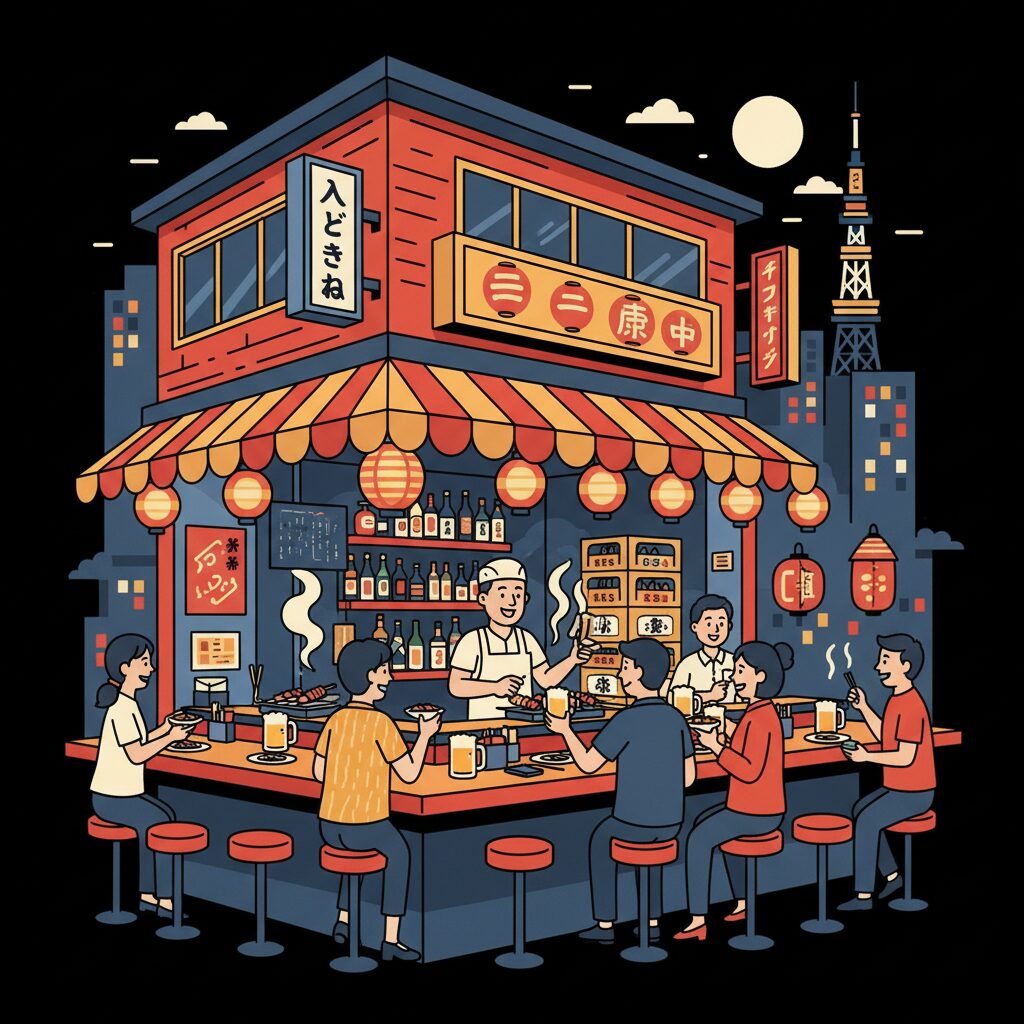
Ever found yourself wandering through the backstreets of Osaka after a long day, peering through the steamy windows of a tiny, crowded bar? Inside, you see a flurry of motion and a wall of sound. People are packed shoulder-to-shoulder, standing, not sitting. They’re laughing, gesturing wildly, their voices rising over the sizzle of a hot grill and the rhythmic clatter of glasses. There are no velvet ropes, no quiet corners, just a raw, chaotic, and undeniably vibrant slice of life. This, my friend, is the tachinomi—the standing bar. And if you truly want to understand the soul of Osaka, to peel back the layers of politeness and find the city’s warm, beating heart, you need to step inside. It’s more than just a place to grab a cheap drink; it’s a social arena, a community center, and the ultimate gateway to making genuine connections in a city that prides itself on being anything but ordinary.
For many foreigners living in Japan, the social landscape can feel like a beautifully intricate puzzle with half the pieces missing. You learn the language, you master the bow, you understand the importance of group harmony. But breaking through the surface to form real, spontaneous friendships can be a challenge, especially if your only reference point is the more reserved, formal atmosphere often found in Tokyo. Osaka plays by a different set of rules. Here, the social barriers are lower, the conversations are louder, and the distance between strangers is often just the width of a shared countertop. The tachinomi is the perfect embodiment of this spirit. It’s where salarymen, shopkeepers, students, and grandparents all converge in a temporary, democratic community fueled by cheap beer and fried skewers. It’s where the city lets its hair down, and in doing so, invites you to do the same. This guide isn’t just about what to order or how to pay. It’s about learning the rhythm, understanding the unspoken code, and finding your own place within Osaka’s most authentic social scene.
If you’re looking to extend your exploration of Osaka’s vibrant, budget-friendly nightlife beyond the lively tachinomi experience, our guide to Kyobashi’s affordable senbero scene offers just the insights you need.
The Tachinomi Code: More Than Just Cheap Drinks
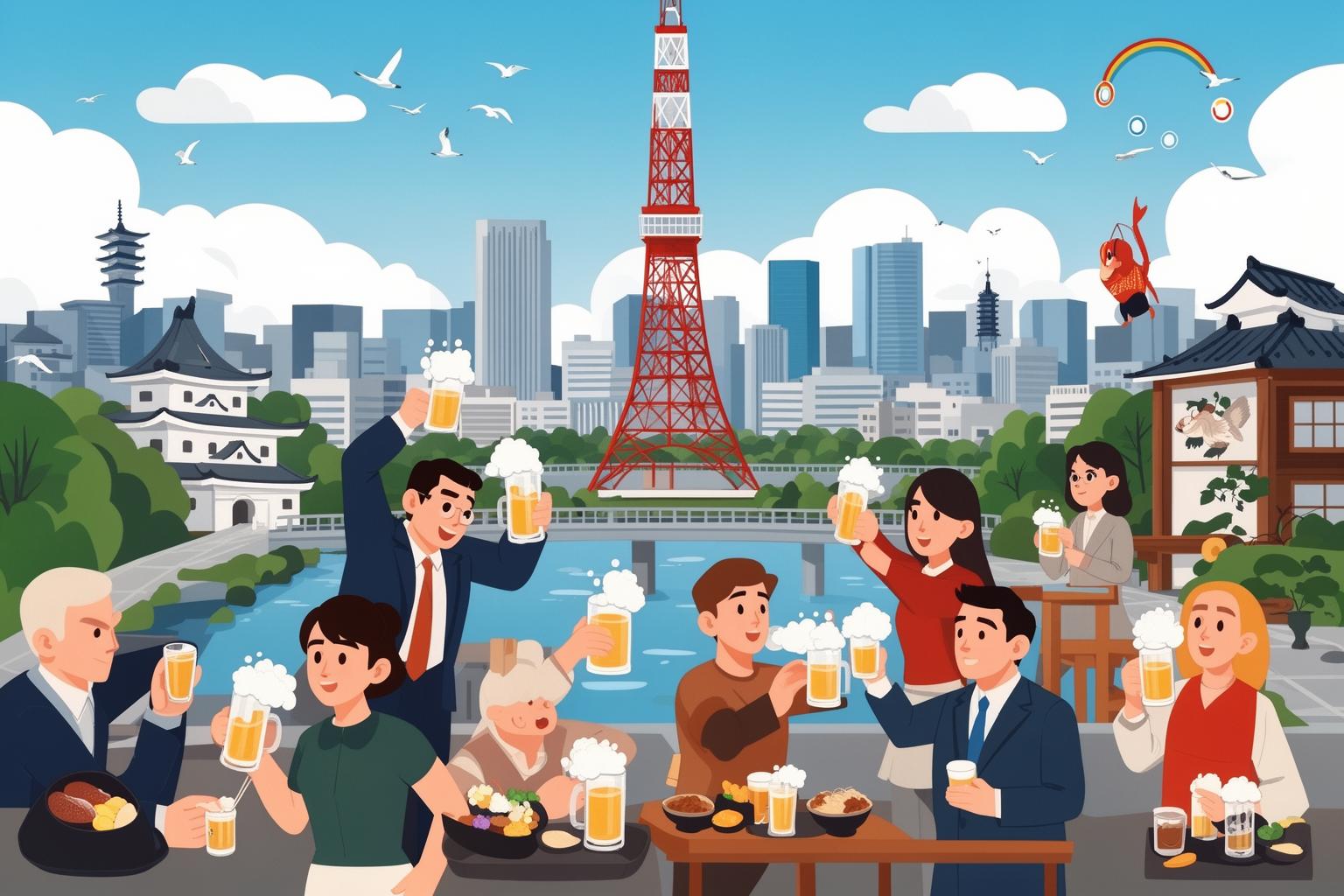
First and foremost, let’s clear up a common misunderstanding. Yes, tachinomi are affordable. Often, you can get a beer and a couple of food items for less than a thousand yen. However, to assume that their main attraction is simply their low price misses the point entirely. Affordability is a characteristic, not the essence. The true charm of tachinomi lies in its design—both physical and philosophical—carefully crafted to deliver what Osakans value most: human connection free from formality and pretense. The experience revolves around low-stakes, fast-paced social interactions. Think of it less as a formal meal and more as a social recharging spot where people drop by for a quick dose of community before heading home or on to their next engagement.
The physical setting itself offers the first hint. There are no seats. This isn’t an accident; it’s intentional. Standing puts everyone literally on the same level. It encourages a more fluid, dynamic atmosphere. You’re not confined to a table, separated with only your own group. Instead, you become part of one continuous, flowing social space. The counters tend to be narrow, forcing close proximity to your neighbors. You’ll brush shoulders. You might have to hand plates to a stranger. This enforced closeness may sound daunting, but in Osaka, it sparks conversation. It breaks down the personal barriers we carry throughout the day, making it feel perfectly natural to turn to the person next to you and start chatting. The lack of comfort is, ironically, what makes the socializing feel so relaxed. It signals that this is just a brief stop. You’re not expected to linger for hours. This brings us to the fundamental principle of the tachinomi philosophy: satto nonde, satto kaeru—“drink quickly, leave quickly.”
This isn’t a rule stemming from rudeness or a desire to rush patrons out. It’s a collective social etiquette. By keeping your visit relatively short—around thirty to sixty minutes—you make room for the next guest. You contribute to the bar’s flow and energy. This constant turnover is what keeps the vibe fresh and lively. Every ten minutes, the person beside you could be someone new, offering a fresh chance to connect. It stops the space from becoming stale or cliquish. This transient aspect is exactly what makes it so easy to talk to strangers. You’re not pledging lifelong friendship; you’re simply sharing a brief segment of your evening with someone. The stakes are minimal, removing the pressure and anxiety often linked to socializing in a foreign culture. The atmosphere is a symphony of controlled chaos. The air is thick with the aromas of grilled meat, simmering dashi, and weathered wood. Sounds collide: cheerful calls to the kitchen, clinking beer mugs, the sizzle of food on a hot griddle, and waves of overlapping conversations spoken in the rich, musical cadence of the Osaka dialect. It’s loud, a bit rough around the edges, and surging with raw, human energy that is both overwhelming and warmly inviting all at once.
Cracking the Conversation: How to Start Talking
So, you’ve stepped inside, snagged a spot at the counter, and ordered your first drink. What’s next? The noise level is loud, and everyone seems to know each other. This is the crucial moment. Do you retreat into your phone, or do you jump right in? At an Osaka tachinomi, the answer is always to jump in. The atmosphere encourages it, and the locals are often more than happy to meet you halfway. The trick is knowing how to properly open the door to a conversation. Fortunately, the tools are all around you.
The Opening Gambit: Food is Your Best Friend
In Osaka, food is more than just nourishment; it’s a language, a passion, and the perfect social icebreaker. People here love to eat, but even more so, they love to talk about eating. This is your greatest advantage. The person beside you is probably enjoying something that looks and smells amazing. This is your opening. A simple, polite question makes the ideal icebreaker. Lean over slightly, catch their eye, and ask, “Sumimasen, sore, meccha oishisou desu ne. Nan desu ka?” (Excuse me, that looks delicious. What is it?). This question works for several reasons. First, it’s a compliment, which is always a great start. Second, it shows genuine interest in the local food and culture. And third, most importantly, it gives the other person an easy, non-intimidating subject to talk about. They might tell you it’s doteyaki (slow-cooked beef sinew) or that this place serves the best kushikatsu (deep-fried skewers) in the area. They could even offer you a taste.
From there, the conversation can unfold naturally. Ask for a recommendation. “Koko no osuume wa nan desu ka?” (What do you recommend here?). Now you’re no longer just a passive bystander; you’re actively engaging and valuing their opinion. Osakans are famously proud of their food scene and will be happy to guide you. Compliment their choice. When your food arrives, show that you’re enjoying it and thank them for the tip. This simple act of sharing a positive food experience can create an instant connection. It’s a moment that transcends language. You’re no longer two strangers standing next to each other; you’re two people who both appreciate a good piece of fried lotus root. In Osaka, that’s almost like family.
The Power of the “Occhan” (and “Obachan”)
Look around any tachinomi, and you’ll spot them: the older men (occhan) and women (obachan) who are the regular fixtures of the place. These are the long-time patrons, the jouren-san, who have been coming here for years. They might seem a bit gruff or intimidating at first, often with a cigarette hanging from their mouth and a newspaper or betting form spread out on the counter. Don’t be deceived. These are the gatekeepers of the tachinomi culture and often your best chance for an unforgettable night. They’re usually retired or work in blue-collar jobs, carrying a deep knowledge of the local scene and a genuine curiosity about the world beyond.
As a foreigner, you’re a novelty, a refreshing break in their routine. They’ll probably be the first to start a conversation. It will likely follow a familiar pattern, but embrace it. It begins with, “Nii-chan/Nee-chan, doko kara kitan?” (Brother/Sister, where are you from?). Tell them your country. This will be followed by their one or two facts about your homeland, which might be wildly inaccurate but are always shared enthusiastically. They’ll ask what you’re doing in Japan, how long you’ve been here, and whether you can use chopsticks. Show them you can handle chopsticks reasonably well, and you’ll earn their instant respect. They’ll ask if you like baseball, and more specifically if you support the local team, the Hanshin Tigers. The right answer is always yes, even if you know nothing about the sport. A passionate claim of your new love for the Tigers can solidify a bond for the rest of the night. Be ready for their thick Osaka dialect, which can be tough, but don’t worry about catching every word. Pay attention to their tone, gestures, and smiling eyes. They’re not testing your Japanese skills; they’re just trying to connect. Respond with simple words, lots of nodding, and a sincere smile. They’ll appreciate the effort more than flawless grammar. These occhan are the community’s heart, and being welcomed into their circle, even if just for an hour, is a true Osaka experience.
Mastering the Art of “Tsukkomi”
To really communicate in Osaka, you need to know that conversation here runs at a different beat. It’s not just exchanging information; it’s a performance, a playful game. This style comes from manzai, the traditional Japanese stand-up comedy that features two characters: the boke (the silly, airheaded one) and the tsukkomi (the straight man who points out the absurdities). This dynamic isn’t just on stage; it’s woven into everyday Osaka conversations. People engage in light-hearted teasing, exaggerated claims, and witty comebacks. Grasping this is essential not just to survive, but to thrive in social settings like a tachinomi.
You don’t need to be a comedian, but joining in will win you immediate social points. A typical example is receiving a compliment. If someone says, “Nihongo jouzu ya na!” (Your Japanese is great!), the polite Tokyo response is, “Iie, mada mada desu” (No, not yet). That’s courteous but can halt the conversation. Osaka style is to respond with some self-mockery as the boke, inviting a tsukkomi. You might say, “Honma? Meccha benkyou shita noni, kore shika shaberarehen!” (Really? I studied so much, and this is all I can say!). This exaggeration invites laughter and a playful tsukkomi like “Nande ya nen!” (What the heck!/No way!). Suddenly, you’re not just answering—you’re sharing a joke. You’re part of the fun. If an occhan tells a silly joke or makes an over-the-top claim, don’t just smile politely. Respond with a mild “Honma ka?” (Really?) or a teasing “Uso ya!” (You’re lying!). This playful exchange is the rhythm of Osaka banter. It’s a sign of warmth and engagement. By joining this verbal back-and-forth, you show you understand the local culture on a deeper level. You’re not just a visitor; you’re part of the conversation.
Navigating the Nuances: Tachinomi Etiquette
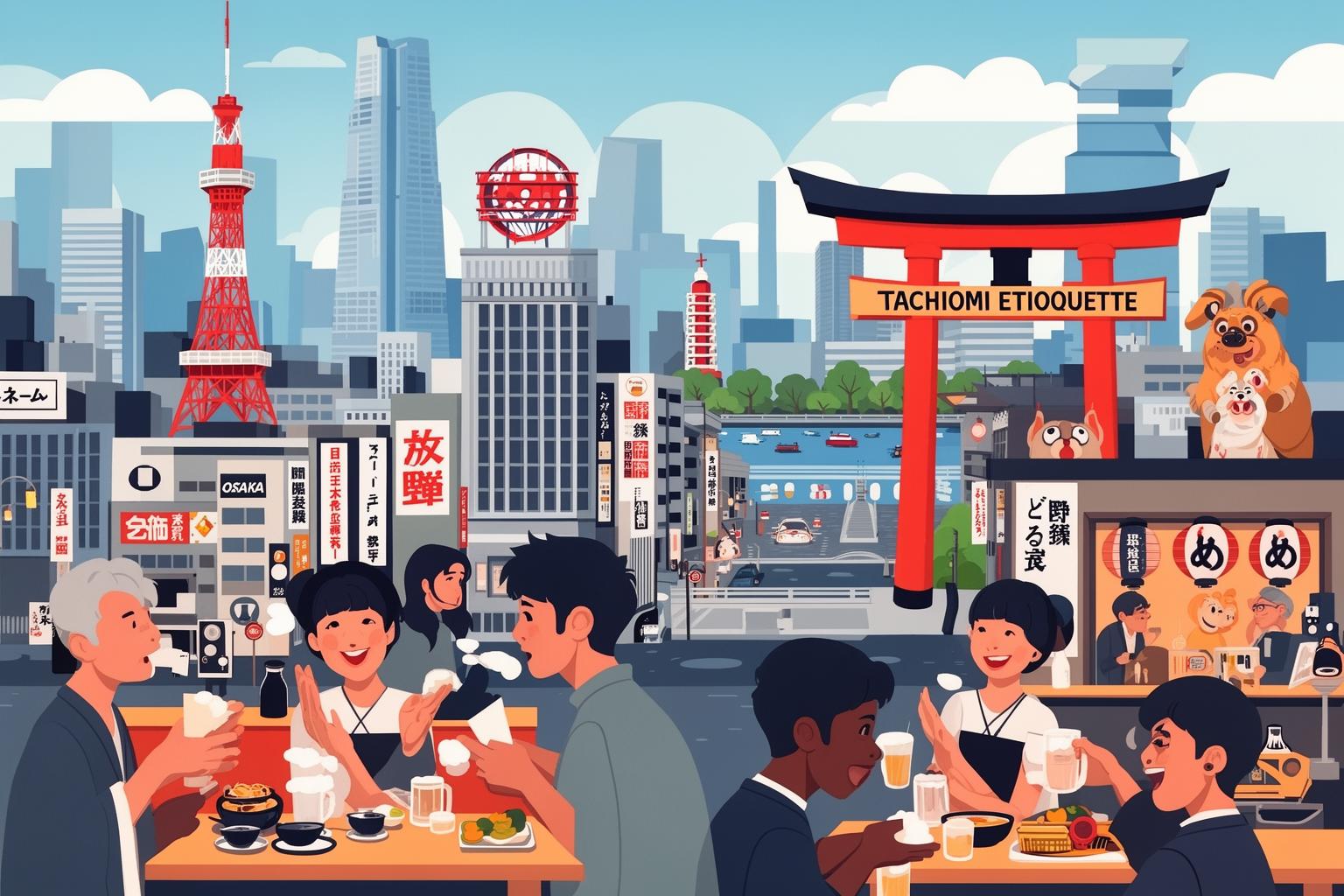
While the atmosphere in an Osaka tachinomi is famously relaxed and informal, there remain unspoken rules and etiquette that are important to observe. These aren’t strict regulations but rather a shared understanding that helps keep the space comfortable and functional for everyone. Paying attention to these small details shows respect for the establishment and fellow patrons, easing your transition from a first-timer to a welcomed regular.
Pay Your Way
One of the first things to figure out is the payment system, which usually falls into one of two types. The most common, especially in older, more traditional spots, is kyasshu on, or cash-on-delivery. You’ll often find a small tray, basket, or a designated spot on the counter in front of you. When you order a drink or dish, you put your money in the tray. The staff then brings your order and takes the payment, returning any change to the same tray. You maintain a running pile of coins and bills there throughout your visit. It’s an incredibly efficient system that supports the high-turnover nature of the bar. The other system involves paying at the end. In this case, the staff keeps a running tab for you—sometimes on a small piece of paper—and you settle it before you leave. How do you know which system is being used? The easiest way is to watch the person next to you. If they put down cash with each order, you do the same. If you’re unsure, simply ask “Okanjou wa saki desu ka?” (Is payment before?). Always carry cash, as many of these small, historic establishments don’t accept credit cards.
Know When to Fold ‘Em
We’ve mentioned the satto nonde, satto kaeru principle before, but it’s worth emphasizing as the most important etiquette. The tachinomi is not your living room. It’s a shared, transient space. Overstaying your welcome is a major faux pas. How do you tell when it’s time to leave? You need to read the room. Is the bar getting crowded? Are people waiting for a spot by the door, casting longing looks at the counter? Is the person beside you finishing their last sip of beer? These are all hints. A typical visit usually lasts for one to three drinks. Once you’ve finished your last dish and your glass is empty, it’s generally time to think about moving on. Lingering over an empty glass while the bar is packed is considered poor form. It disrupts the flow and shows a lack of consideration for those waiting to enjoy the experience. This shouldn’t be stressful; think of it as part of a pub crawl. The goal is often to visit two or three tachinomis in one evening, not to settle in one place. Settle your bill, offer a friendly “Gochisousama deshita!” (Thank you for the meal!), and leave your spot open for the next person to begin their own adventure.
Don’t Be a Wallflower, but Don’t Be a Wrecking Ball
Finding the right social volume is a subtle art. The whole point of a tachinomi is to engage, so being a silent wallflower glued to your phone misses the mark. You’re expected to be part of the general buzz of the bar. Make eye contact, smile, and be open to conversation. At the same time, this isn’t an excuse to be obnoxious. You must match the atmosphere. If the bar is lively and loud, feel free to be boisterous and laugh heartily. If it’s an older, quieter crowd enjoying a more subdued evening, adjust your voice accordingly. The space is small and shared, so be mindful of your physical presence. Don’t spread your belongings all over the counter. Keep your bag at your feet or on a hook if one is available. When moving, be careful not to bump into others or knock over their drinks. It’s a crowded environment, but it works because of a collective, unspoken agreement of mutual respect. The aim is to blend smoothly into the social fabric, not to disrupt it. Be present, open, observant, and considerate. If you manage this balance, you’ll be welcomed with open arms.
Osaka vs. Tokyo: A Tale of Two Bars
To truly grasp the unique social ecosystem of an Osaka tachinomi, it helps to compare it with its counterpart in Tokyo. While Tokyo certainly has standing bars, and some can be quite welcoming, the underlying cultural dynamics are fundamentally different. The experience of stepping into a bar in Shinjuku’s Omoide Yokocho versus one in Osaka’s Tenma district offers a striking contrast that highlights the deep-rooted differences between these two great cities.
Picture entering a typical standing bar in Tokyo. The first thing you might notice is the sound. It’s not silent, but the volume is controlled. Conversations tend to stay within small, established groups. People who came together, drink together. There’s a clear sense of personal space, even in a crowd. Patrons create invisible boundaries around their small circles, and eye contact with strangers tends to be brief and quickly averted. Interactions with staff are polite and efficient, but can feel transactional. The overall atmosphere is one of orderly, compartmentalized enjoyment. It’s a series of private gatherings sharing the same public space.
Now, imagine yourself in a tachinomi beneath the train tracks in Tenma, Osaka. The moment you push aside the plastic curtain, a wall of sound greets you. It’s not just the volume; it’s the texture. Laughter bursts from every corner. Conversations aren’t confined; they spill into each other, with someone from one end of the bar shouting a good-natured heckle to someone on the other. Strangers who just met are talking like longtime friends. The lines between groups vanish completely. The idea of personal space feels far away; you’re instantly absorbed into the collective crowd. Eye contact is direct, frequent, and often paired with a nod or a question. The staff don’t just serve drinks; they’re part of the scene, bantering with regulars, teasing newcomers, and guiding the social flow. It feels less like a set of private parties and more like one huge, chaotic, and incredibly inclusive house party you just walked into.
Why such a stark contrast? It can be traced back to the origins of each city. Tokyo, once Edo, was the seat of the samurai government. It was a city founded on hierarchy, formality, and strict social order. This samurai-bureaucrat culture prized reserve, indirectness, and maintaining appearances. This legacy still echoes in the more formal social interactions and the emphasis on not imposing on others. Osaka, by contrast, was known as the nation’s kitchen, a city of merchants. Its culture was shaped in the marketplace, where success relied on being direct, building relationships quickly, haggling, persuading, and connecting with people. To an Osaka merchant, a stranger wasn’t a threat but a potential customer or partner. This fostered a practical, down-to-earth, and openly communicative culture. This historical DNA runs deep. A Tokyo bar feels like an extension of the office, where social rules persist. An Osaka tachinomi feels like an extension of the marketplace, where the aim is to engage, connect, and maybe strike a deal—even if that deal is just sharing a plate of fried chicken and a good laugh.
From Stranger to Regular: The Payoff

The true magic of embracing the tachinomi culture isn’t just a single moment. It’s a journey. It’s the slow, deeply rewarding process of evolving from a curious outsider into a familiar, welcomed face. This is the ultimate reward, and one of the most powerful ways to counteract the isolation that often comes with being a foreigner in a new country. It’s the act of building a community, one beer and one conversation at a time.
Your first visit might be a blur of nervousness. You’ll feel awkward, unsure of the etiquette, and intensely aware of your foreignness. You might only stay for one quick drink before leaving. But you’ve broken the ice. The second time, you pick a different spot. You feel a bit more confident. You successfully order your food, and maybe even exchange a brief greeting with the person next to you. By your fifth visit, you decide to return to that original bar. As you walk in, the master gives you a subtle nod of recognition. It may be small, but it’s meaningful. You’re no longer a complete stranger. You order your usual drink, and he remembers it. On your tenth visit, the occhan who loves the Hanshin Tigers is there. He spots you and grins, shouting, “Ou! Nii-chan, hisashiburi!” (Hey! Brother, long time no see!). He pats the counter next to him, saving you a seat. He introduces you to another regular. Your circle is expanding. You start to catch more of the rapid-fire Osaka dialect. You even manage to throw in a playful tsukkomi of your own, and everyone laughs.
This is how it unfolds. You become a jouren-san, a regular. You have your place. You have your people. The tachinomi turns into more than just a bar; it becomes your third space, a home away from home. It’s where you celebrate small victories at work or unwind after a tough day. The staff know your name, the regulars know your story, and you know theirs. You’re woven into the fabric of this small micro-community. These aren’t necessarily your closest, soul-baring friends, but they are your casual connections, your network of familiar faces that offer a steady, comforting presence in your everyday life. They make a massive, sprawling metropolis feel like a small town. This sense of belonging is an incredibly powerful anchor. It’s the antidote to anonymity. So, take a deep breath, push aside that plastic curtain, and step inside. The world of the tachinomi can be loud, chaotic, and definitely outside your comfort zone. But beyond that initial fear lies the real Osaka—a city waiting to welcome you not as a guest, but as one of its own.