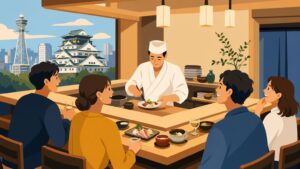
Osaka is loud. Osaka is neon. Osaka is a concrete grid buzzing with relentless, unapologetic energy. You move to this city for the hustle, the incredible street food, and the warmth of the people. You stay because it feels real. But even the most die-hard local needs a break from the endless train commutes, the crowded underground malls, and the sheer density of urban life. When the weekend hits, and the exhaustion of city life creeps in, locals do not want more crowds. They do not want a complicated commute. They do not want to navigate the tourist masses of neighboring cities. They want an escape that is effortless, beautiful, and deeply satisfying. They want Awaji Island.
Foreigners moving to Kansai often misunderstand the geography of relaxation here. They think they need to book a flight to Okinawa to see the ocean, or ride a bullet train deep into the mountains to find peace. The locals know better. Just across the Akashi Kaikyo Bridge, a monumental feat of engineering connecting the mainland to a completely different world, lies Awaji. It is the perfect backyard oasis. It reveals everything you need to know about the Osaka mindset: seeking maximum value, demanding incredible food, preferring quick travel, and possessing zero tolerance for unnecessary fuss. Osakans want a destination where they can eat like royalty without the stiff, pretentious atmosphere of a formal resort.
This is not just a destination; it is a ritual. It is how city dwellers reconnect with nature, indulge in local agriculture, and let their kids run wild. Whether you are a solo expat needing ocean air, a couple seeking a romantic sunset, or a family looking for open space and anime adventures, this island delivers. Let us break down exactly how the locals plan this getaway, how they think about the journey, and how you can replicate the ultimate Osaka weekend escape.
Why Awaji Island is the Perfect Weekend Getaway from Osaka
To truly understand Awaji Island is to grasp the essence of the Kansai region. Situated in the Seto Inland Sea, Awaji serves as a vast green buffer between Honshu and Shikoku. According to Japanese mythology, it is said to be the very first island created by the gods. However, if you ask someone from Osaka, they will likely describe it as the island of the best onions, the finest beef, and the most relaxing hot springs.
Osakans are highly pragmatic people who value their time and money. Residents of Tokyo might retreat to the misty, refined mountains of Hakone, spending quiet moments in an expensive, serene ryokan. This reflects Kanto culture: a pursuit of status, tranquility, and separation. Osakans, however, take a different approach. They head to Awaji to laugh loudly, enjoy massive plates of fresh seafood, zip-line into Godzilla’s mouth, and have fun without any pretense. They seek quality, but also accessibility.
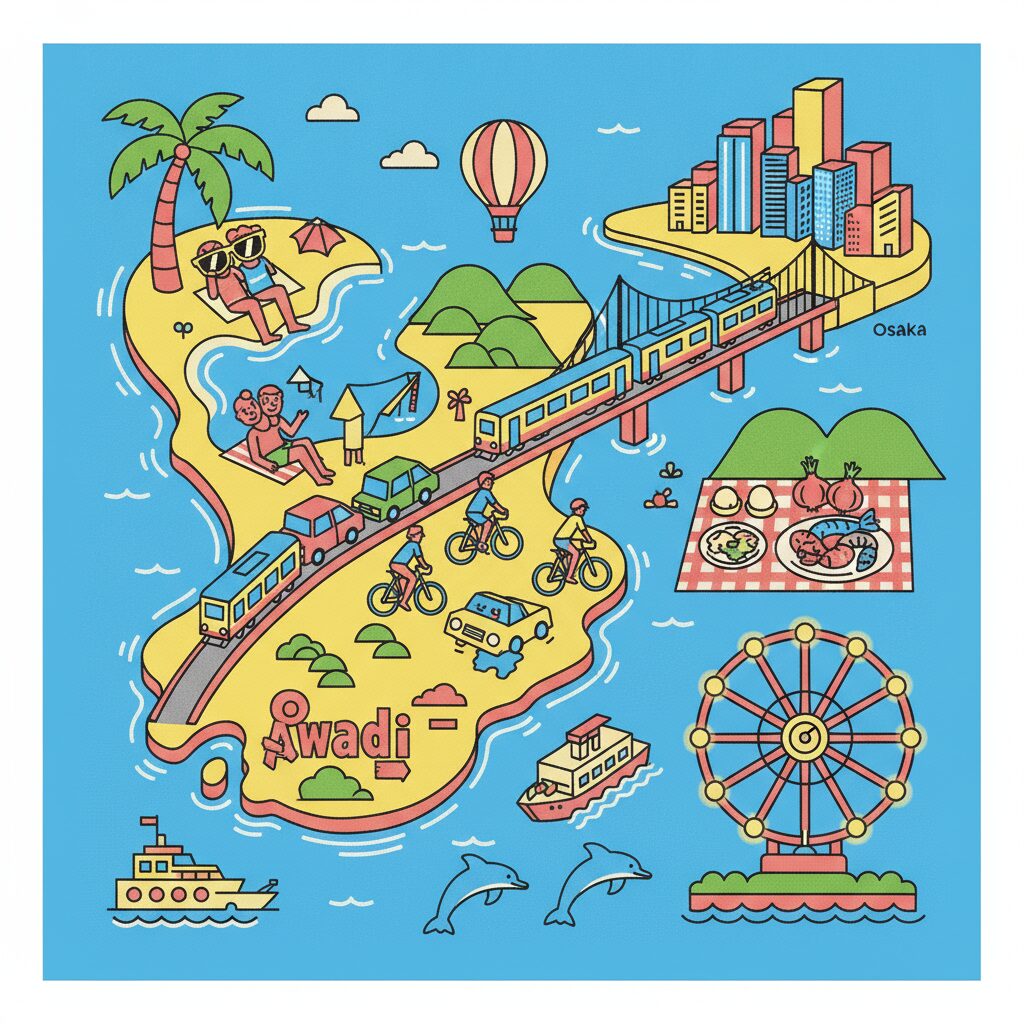
Awaji is ideal because it requires almost no effort to reach, yet it feels completely detached from the Kansai urban sprawl. Within two hours, the Umeda skyline and the neon glow of Dotonbori are replaced by rolling hills, vast flower parks, and endless ocean views. For a foreigner living in Osaka, Awaji is the ultimate decompression zone. It is a place where there’s no need to worry about catching the last train or dodging bicycles on narrow sidewalks. The air carries the scent of salt and soil, rather than exhaust and fried food. It is the reset button that every city dweller sometimes needs to press.
How to Get to Awaji Island from Osaka
One unwritten rule of living in Osaka is that convenience reigns supreme. If something is hard to reach, Osakans will simply look for an alternative. Luckily, Awaji Island is extremely accessible, requiring no flights or bullet trains. You have two main options, each offering a distinct style of travel.
By Highway Bus (The Most Convenient for Travelers)
For most expats, international tourists, and young locals in Osaka who prefer not to drive, the highway bus is the best choice. It is inexpensive, direct, and removes the hassle of navigating Japanese traffic. Osakans favor the bus because it lets you enjoy a cold beer on the way home without worrying about driving.
Buses run frequently from two major hubs in Osaka: the Namba OCAT terminal and the Osaka Station JR Express Bus Terminal. A one-way trip to the northern part of the island takes about ninety minutes to two hours, depending on traffic. You simply purchase a ticket, settle into a comfortable reclining seat, and watch as the cityscape transitions into suburban sprawl, culminating in the breathtaking crossing of the Akashi Kaikyo Bridge.
Foreign visitors are often impressed by how efficient and clean Japanese highway buses are. There’s no need to worry about transfers or train delays. Many buses go directly to major island attractions, so you can step off the bus and start your vacation right away. Just be sure to book tickets early during long weekends or national holidays, as these buses fill up quickly when the weather warms.
By Rental Car (Best for Exploring the Island)
If you want true freedom and to experience the island as a seasoned Osaka family does, renting a car is essential. Awaji Island is large and rural. While public transportation exists, it is infrequent and doesn’t reach hidden coastal cafes or secluded mountain viewpoints.
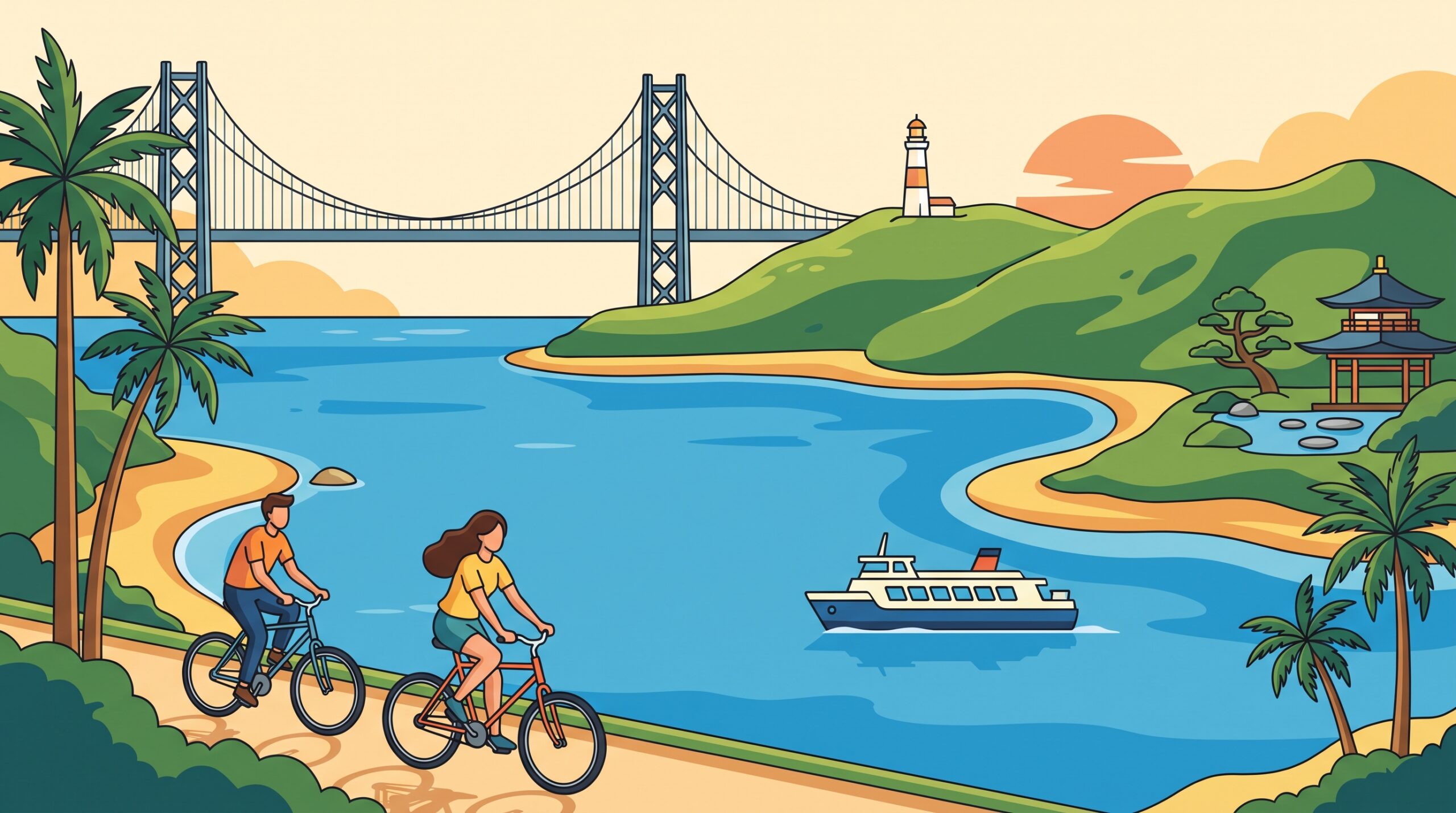
Renting a car in Osaka and driving across the bridge gives you full control over your schedule. Osakans enjoy road trips, especially because they love stopping at highway service areas to buy local snacks. Driving over the Akashi Kaikyo Bridge is a cinematic experience: the towering suspension cables rise into the sky, with the blue waters of the Seto Inland Sea spreading beneath you.
Once on the island, a car lets you cruise along the Awaji Sunset Line on the west coast, pulling over whenever you spot a cafe or a pristine beach. For expats with an international driving permit or a Japanese license, this is the highly recommended option. While the bridge toll is a bit pricey, when shared among family or friends, it’s a small cost for complete freedom.
The Ultimate 2-Day Awaji Island Itinerary
When Osakans plan a trip, they prefer a flexible itinerary that maximizes their enjoyment rather than a strict schedule. A weekend on Awaji typically divides into two distinct experiences: lively entertainment and serene natural relaxation. Here is the ultimate guide for a two-day weekend getaway.
Day 1: Anime Adventures and Sunset Views (Nijigen no Mori & West Coast)
Start your Saturday early to cross the bridge before late-morning traffic picks up. Your first stop is Nijigen no Mori, a vast outdoor anime theme park located within Awajishima Park in the northern part of the island.
For fans of Japanese pop culture, this place is truly remarkable. Unlike crowded, line-filled theme parks in the city, Nijigen no Mori combines large-scale anime attractions with beautiful natural surroundings. You can immerse yourself in the world of Naruto and Boruto by completing ninja missions through giant wooden mazes. You can zip-line straight into the glowing, fearsome mouth of a life-sized Godzilla. You can embark on a Dragon Quest adventure, trekking through the woods to battle monsters. This imaginative use of space appeals both to dedicated otaku and families seeking an active morning.
By mid-afternoon, you’ll feel exhausted from all the walking. That’s when you head to the island’s west coast, famous for the Awaji Sunset Line—a scenic coastal road lined with trendy open-air cafes and restaurants. Osakans come here for the vibe. Grab a terrace seat at spots like Garb Costa Orange or Miehle, order a craft citrus drink, and watch the sun set over the Seto Inland Sea. The sky transforms into brilliant purples and golds, creating a moment of pure peace far from city noise.
Day 2: Natural Wonders and Local Culture (Naruto Whirlpools & Awaji Hanasajiki)
Sunday is reserved for nature. Drive or take the bus to the southern tip of the island to witness one of Japan’s most powerful natural spectacles: the Naruto Whirlpools. These intense, swirling vortices form in the strait between Awaji Island and Shikoku, caused by the meeting of the Pacific Ocean and the Seto Inland Sea.
Osakans appreciate a spectacle, and the whirlpools certainly deliver. You can view them from a glass walkway beneath the Onaruto Bridge or take a sightseeing boat that sails close to the swirling water. It’s loud, dramatic, and breathtaking.
After the thrill of the whirlpools, head back north to Awaji Hanasajiki, a vast flower park perched on a plateau overlooking the ocean. Throughout the year, the rolling hills burst with millions of seasonal blooms: yellow mustard flowers in spring, bright sunflowers in summer, and purple sage in autumn. It offers panoramic, unobstructed views of the sky and sea. Standing amid blooming flowers with no skyscrapers in sight feels like the exact opposite of everyday life in Osaka. It’s the perfect final stop before crossing the bridge back to the mainland.
Top Things to Do on Awaji Island for Families and Couples
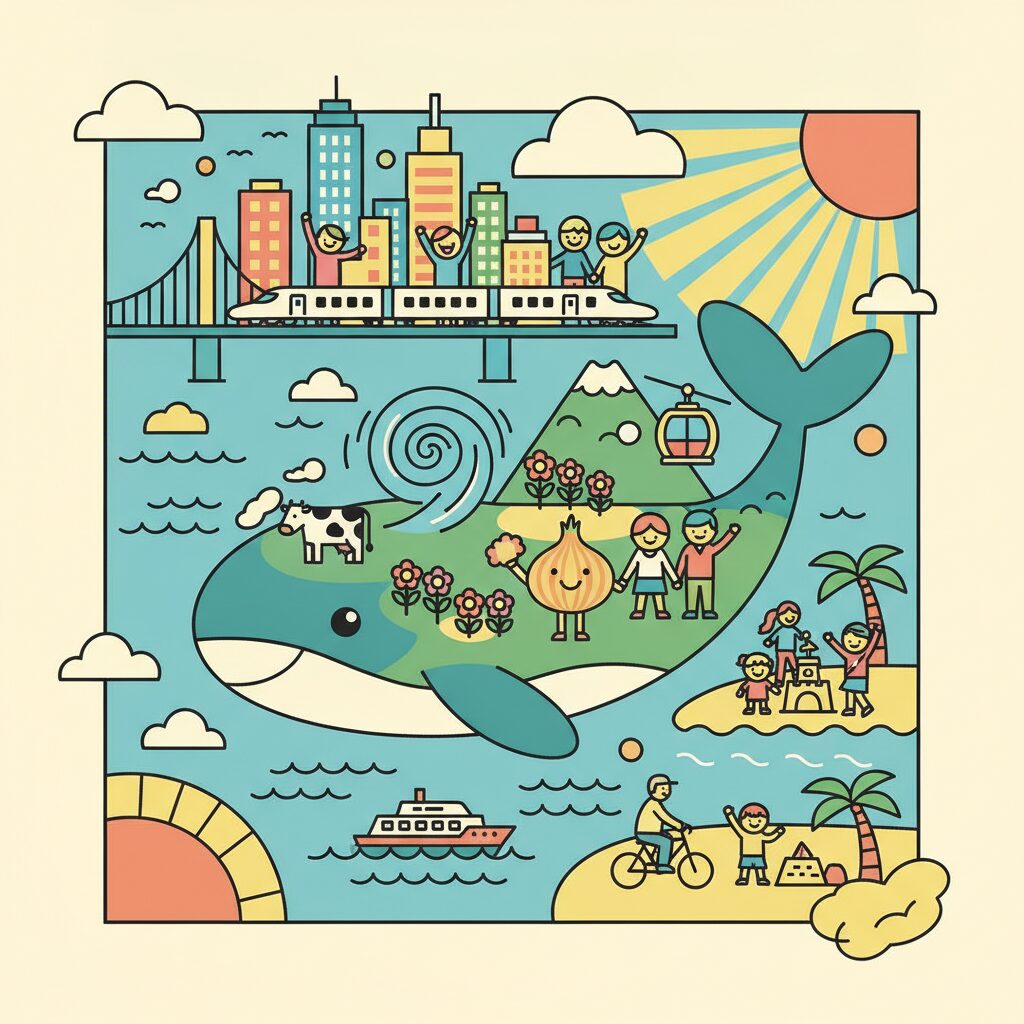
Awaji perfectly caters to both energetic families and couples seeking romance, which is why it remains a favorite among Kansai residents.
For families, the island serves as a vast playground. Beyond Nijigen no Mori, there is Awaji Farm Park England Hill, an agricultural park where children can harvest seasonal vegetables, pet farm animals, and even see koalas. It strongly appeals to Osakans’ love for hands-on, interactive experiences. Families also flock to the beaches in the summer. Places like Ohama Beach offer calm, shallow waters that are exceptionally safe for young children. Building sandcastles while gazing at the tranquil inland sea is a quintessential Kansai childhood memory.
For couples, Awaji presents a different kind of charm. The island has embraced the luxury wellness trend. You’ll find oceanfront glamping facilities where you can sleep in beautifully designed domes, barbecue high-end local meat under the stars, and fall asleep to the sound of the waves. The Awaji Yumebutai, a striking architectural complex designed by Tadao Ando, is another popular spot for couples. Its concrete geometric forms blended with terraced gardens create a sophisticated, photogenic setting perfect for a quiet afternoon stroll.
Where to Stay on Awaji Island (Sumoto Onsen & Coastal Resorts)
Accommodation choices on Awaji typically fall into two categories, reflecting the dual nature of contemporary Japanese travel: the traditional and the trendy.
For those who favor tradition, Sumoto Onsen is the quintessential option. Situated on the eastern coast, this hot spring town features large, established ryokans and resort hotels overlooking the water. Osakans cherish a good bath, and soaking in a hot spring while gazing out at the ocean is the ultimate indulgence. Hotels such as Hotel New Awaji provide private open-air baths and extensive multi-course kaiseki dinners served in your room. This is the classic Japanese hospitality experience—you wear a yukata, sip sake, and allow the staff to handle everything.
In contrast, the western and northern coasts have experienced a significant surge in modern resorts, boutique hotels, and glamping sites. These appeal to a younger demographic and expats who might prefer a comfortable bed and a seaside barbecue over tatami mats and formal dining. Staying in a luxury dome tent, grilling local seafood on a private deck, and watching the sunset with a glass of wine embodies the new wave of Awaji tourism. Both choices are valid and effectively help visitors leave the stresses of Osaka behind.
What to Eat: Awaji Beef, Sweet Onions, and Fresh Seafood
Osaka is widely recognized as the kitchen of Japan. Its residents are passionate about food and maintain exceptionally high standards. If Osaka is the kitchen, then Awaji Island serves as its pantry. The island’s agricultural and marine resources are abundant, and enjoying good food is perhaps the main reason locals make the journey.
First, it’s essential to understand the onions. Awaji onions are renowned across the country. Due to the island’s mild climate and mineral-rich soil, these onions are notably sweet and lack the sharpness typical of other varieties. Locals consume them baked whole, deep-fried as giant onion rings, or sliced raw in salads. You shouldn’t leave the island without trying an Awaji onion burger, a local specialty that perfectly combines savory meat with the caramelized sweetness of the island’s prized produce.
Next comes the Awaji beef. This premium wagyu is raised in the island’s peaceful environment. It is richly marbled, exceptionally tender, and bursting with umami flavor. Osakans are happy to spend a large part of their weekend budget on a luxurious Awaji beef steak or a yakiniku dinner.
Finally, the seafood. Surrounded by water, Awaji provides outstanding seasonal catches. In spring, there is sea bream; in summer, pike conger eel, a Kansai delicacy, takes the spotlight; and in winter, the island is known for some of the finest three-year tiger blowfish in Japan. Whether enjoying a simple sashimi rice bowl at a roadside station or an elegant multi-course meal at a ryokan, the freshness of the seafood is unmistakable. This culinary trio of onions, beef, and ocean bounty is what continuously draws Osakans back year after year.
Tips for Getting Around Awaji Island Without a Car
While driving is the preferred mode of transport for locals, many expats and tourists visit Awaji without a vehicle. It is completely feasible but requires an understanding of how rural Japanese infrastructure operates and an adjustment of your expectations. You cannot treat Awaji like Osaka, where stepping out of your hotel means expecting a train every five minutes.
If you are traveling by bus, careful planning is essential. The island runs a network of local route buses, but the schedules can be limited, sometimes only operating once an hour or less. Checking the timetables in advance is a must. Many major attractions, including Nijigen no Mori and various coastal parks, provide free shuttle buses from main highway bus stops or local ferry terminals.
When exploring Awaji without a car, it’s best to focus on one specific area of the island rather than trying to see everything in a single weekend. For anime and sunset cafés, stick to the north. For hot springs and history, concentrate on Sumoto.
Don’t be intimidated by the lack of English signage on local buses. Drivers are usually patient, and the Osakan spirit of helpfulness extends across the bridge. A polite smile, a map on your phone, and a readiness to embrace the slower island pace will serve you well. The minor logistical challenge of rural buses is a small price for the peace you’ll discover.
Awaji Island is more than just a point on a map – it serves as a psychological release valve from one of the most intense and vibrant cities in the world. Planning a weekend here is not just a trip; it’s a chance to engage in a cherished local tradition and learn how the people of Osaka balance their hardworking, fast-paced lives with moments of profound, peaceful, and beautiful rest.