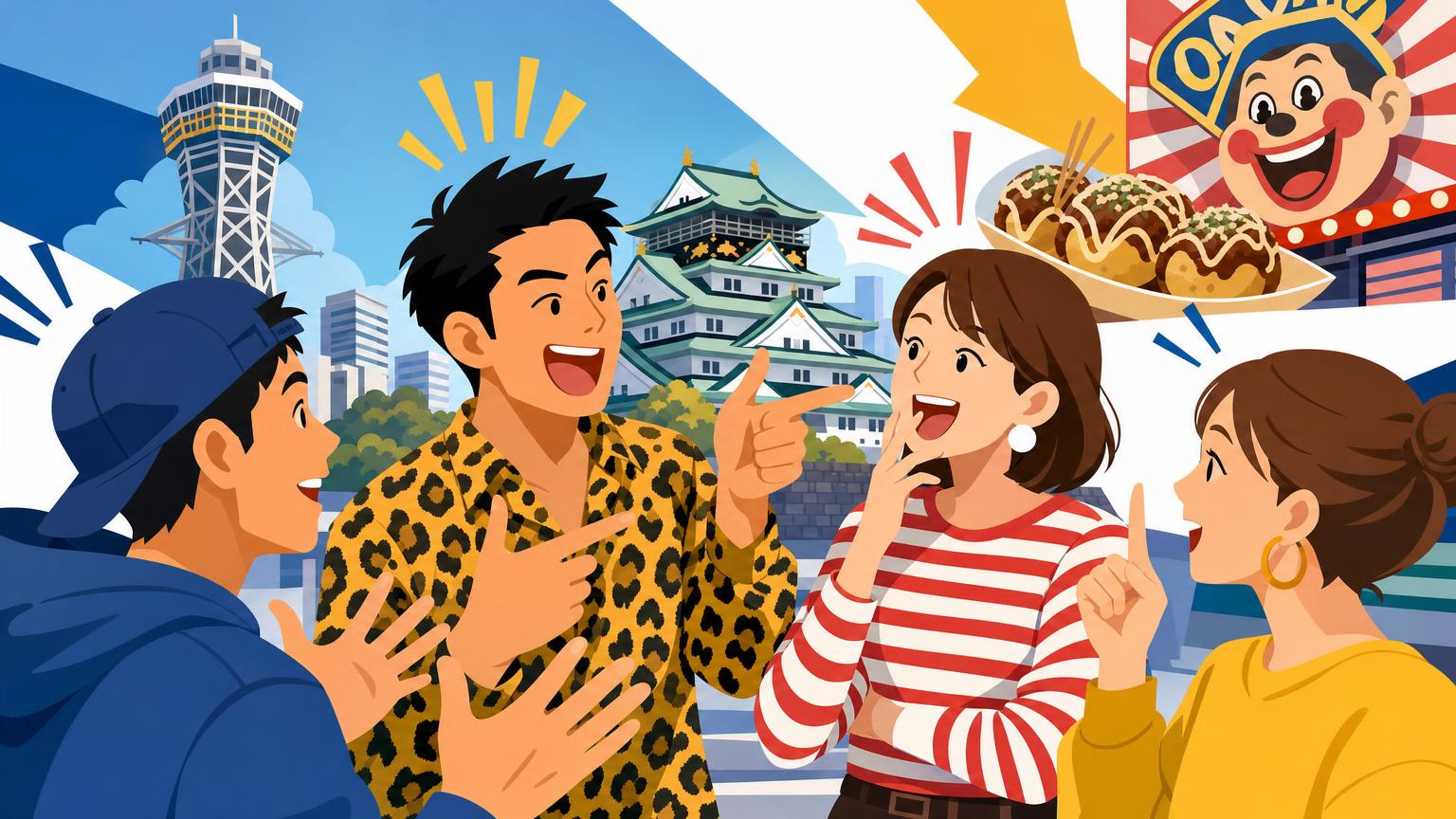
Moving to Japan often comes with a heavy textbook of expectations. You read about the quiet streets. You study the deep, formal bows. You prepare for a world of quiet restraint and invisible boundaries. Then, you step off the bullet train in the Kansai region. The doors slide open. The air vibrates differently here. You instantly realize that the textbook forgot an entire chapter. Tokyo whispers, but Osaka shouts. In the capital, you fold yourself away. You tuck your elbows in. You lower your eyes. You become a shadow sliding through the concrete maze of the metropolis. But here, the silence breaks. You are instantly swallowed by a wave of vibrant, chaotic, undeniable human energy. People here gesture wildly. They laugh loudly. The streets feel alive with an electric, kinetic force.
As someone who spends her days chasing the city’s most colorful corners and capturing the warm, photogenic pulse of this town, I have learned a fundamental truth. The true beauty of this city is not just in its neon glow along the canal. It is entirely in its people. If you are planning to live here, or if you already call this neon-lit city home, you need to understand much more than just the local dialect. You need to read the room. You need to decode the physical language of the streets. Google might tell you where the best cafes are located, but it will not tell you how to physically navigate the intricate dance of a local supermarket. This is your comprehensive guide to understanding the non-verbal cues that run the daily life of Osaka, Japan. The city pulses with a specific, undeniable rhythm. It requires you to drop your shoulders. It demands you to open up and participate in the daily theater of human connection. From the busy intersections of Namba to the cozy, smoke-filled standing bars of Tenma, communication here is a full-body experience. Let us break down the walls of miscommunication and dive deeply into the physical gestures, the expressive faces, and the vibrant Kansai communication style that makes this city the warmest place in Japan.
Understanding the Body Language of Osaka, Japan
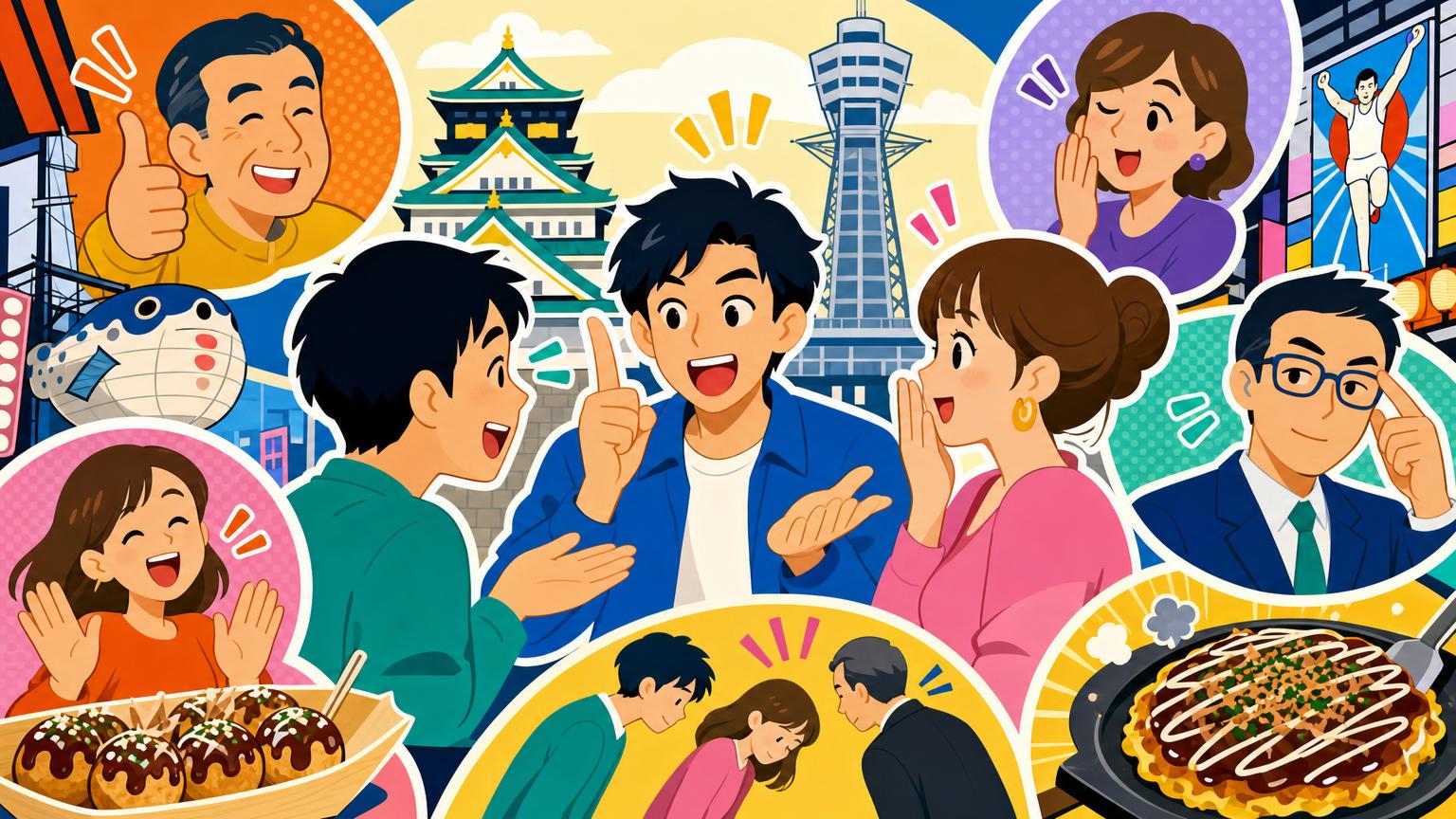
To genuinely understand what it means to live in the Kansai region, you must first grasp how local residents occupy physical space. Personal space certainly exists here, but its boundaries are permeable. The invisible barriers that separate strangers in other parts of Japan are surprisingly thin in Kansai. Osaka’s body language springs from a strong sense of community, shared experiences, and a belief that everyone is together in this chaotic urban life. When you enter a neighborhood bakery in Kyobashi or wait at a traffic light in Umeda, you’re not an isolated individual—you’re part of the crowd. This fundamental shift in perspective profoundly changes how people physically interact with one another every day.
How Osaka Communication Differs from Tokyo
The comparison between the Kanto and Kansai regions is a common topic among foreign residents. Living in Tokyo, you quickly learn the art of invisibility. You read a book on a crowded train without your elbows touching your neighbor. You perfect the skill of staring blankly at ads on the ceiling to avoid accidental eye contact. Tokyo communication is contained, highly structured, and depends heavily on reading the air and catching what goes unsaid.
Osaka, in contrast, is expansive. Body language here is outward. On the Midosuji subway line, you’ll notice people physically leaning toward each other. Eye contact is held just a bit longer than expected. If you drop your umbrella on a platform at Shinjuku, people silently step around it. At Namba station, however, a local will likely pick up your umbrella, hand it back to you, and offer a sympathetic nod or a brief gesture of solidarity. The physical barrier between strangers is lower. This can initially overwhelm newcomers familiar with standard Japanese etiquette, who might feel their personal space is being invaded. Yet this physical openness is actually an invitation: the city welcoming you into its community. Locals aren’t being rude—they treat you with the same casual closeness they show their neighbors.
The Influence of Comedy Culture on Daily Interactions
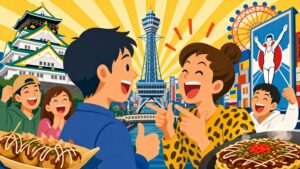
Discussing the local mindset isn’t complete without mentioning comedy. Kansai is the undisputed center of Owarai, the Japanese comedy scene. The classic stand-up style known as manzai dominates TV screens in homes and diners alike. This isn’t just entertainment—it’s the region’s social currency. The dynamic between the humorous, foolish character and the sharp, practical straight man shapes everyday interactions and deeply affects locals’ physical gestures.
In daily life, this results in a remarkable expressiveness. Conversations are performative. On a street corner in Nakazakicho, you’ll see a constant exchange of physical signals: a playful slap on the shoulder after a ridiculous comment, a dramatic slump of the shoulders, or an exaggerated buckling of the knees after a bad joke. This physical comedy is seamlessly woven into daily friendships. For foreign residents, grasping this dynamic is essential. When a shopkeeper jokes about the weather and playfully points at you, a reaction is expected—you don’t need perfect language skills to join in. A broad smile, a theatrical nod, or a mock expression of surprise is enough to close the cultural gap. Understanding that communication here is a shared performance lets you relax and fully enjoy the lively interactions of your new home.
Common Gestures You Will See in Osaka
Everyday life in the city is guided by a set of unspoken physical rules. Although the typical Japanese gestures are still relevant, they are performed with a unique local twist. The movements are more relaxed and infused with individuality. Learning to interpret these common gestures will turn your daily commute from a puzzling maze into a foreseeable, manageable routine. You will start to predict movements before they occur, enabling you to move effortlessly with the crowd instead of battling against it.
The Friendly Approach to Bowing
Before moving to Japan, you probably learned about the strict hierarchy of bowing. You practiced the fifteen-degree casual bow, the thirty-degree respectful bow, and the deep forty-five-degree apology. You pictured a society where every physical interaction is carefully calculated. While this is true in formal corporate boardrooms in the central business district, the reality on the local streets is refreshingly different.
In the Kansai region, the bow tends to be a smooth, continuous motion rather than a fixed pose. When purchasing vegetables from a local vendor in a shotengai shopping arcade, the exchange concludes with a quick, rhythmic nod of the head. It’s less a formal bow and more a sincere physical acknowledgment. Often, it’s accompanied by a broad smile, raised eyebrows, and a warm tone of voice. The exact angles matter far less than the intention behind the gesture. Locals use their bodies to express gratitude in a way that feels deeply warm and human. As a resident, you can embrace this approach. You don’t need to stop and deliver a textbook bow every time you get your change at the convenience store. A brief, genuine nod, paired with a relaxed posture and a smile, communicates volumes in the local language of gestures. It shows that you grasp the casual, friendly rhythm of the neighborhood.
The “Excuse Me” Hand Chop in Crowded Streets
Maneuvering through the underground maze of Umeda station during rush hour is a rite of passage for any resident. It’s a sea of people moving at a rapid pace. In standard Japanese culture, pushing through a crowd is seen as highly rude. Yet, in the bustling heart of this city, you have to find a way through. Enter the most vital physical gesture in your daily survival toolkit: the polite hand chop.
When a local needs to cross a busy stream of pedestrian traffic, they raise one hand in front of their chest. The hand is held flat, fingers together, thumb pointing upward. Then they make a pulsing chopping motion forward, like a polite shark fin cutting through waves. They don’t shout or shove aggressively. The hand chop works like a magic wand of urban navigation. It signals intention non-verbally, offering a polite apology for the intrusion while simultaneously asserting the need to move forward. The crowd instinctively parts. As a foreign resident, mastering this gesture is hugely empowering. Instead of standing frozen at the edge of a busy corridor waiting for a gap that will never come, you simply lift your hand, make the gentle chopping motion, and step forward. Locals immediately recognize the gesture, understand your intent, and smoothly adjust their path to let you through. It’s a beautiful moment of unspoken urban cooperation.
Expressive Reactions and the Local Sense of Humor
If you want to build connections with your neighbors or coworkers in this city, you need to learn the art of physical reactions. In many parts of Japan, active listening is shown with quiet, rhythmic verbal affirmations. The body remains mostly still, and the face stays composed. This is not the case here. Osaka expects you to demonstrate that you’re listening with your whole body.
When someone tells a story, they want their audience to engage. Nodding is not just agreement; it’s a physical performance. When you hear something surprising, you’re expected to widen your eyes, slightly open your mouth, and perhaps even lean back in your chair. The facial expressions are bigger, the gestures broader. If you keep a stoic, perfectly composed face during a conversation, locals might think you’re bored or upset. You need to let your face reflect the energy of the conversation. When someone shares the amazing bargain they found on bicycles in Shinsekai, lean in, raise your eyebrows, and let your posture show your interest. This expressive body language breaks down the barriers of being a cultural outsider. It signals to locals that you’re not merely a temporary visitor but someone who is fully engaged in the emotional life of the community.
Navigating Osaka’s Markets and Restaurants Non-Verbally
Food is undeniably the religion of this region. The city’s identity revolves around the idea of eating until you can eat no more. As a result, the best places to witness and engage in authentic Kansai communication are the local markets, street food stalls, and small neighborhood restaurants. These places are loud and chaotic, filled with the aroma of grilled meat and fried batter. Verbal communication is often overshadowed by the clatter of dishes and the shouts of enthusiastic chefs, making non-verbal cues your main tool for ensuring a great meal.
How to Signal Shop Owners in Dotonbori and Kuromon
Walking through the Kuromon Ichiba market is a feast for the senses. The aisles are crowded with both locals and tourists. Vendors move quickly, constantly scanning the crowd for serious customers. If you simply stand politely at the edge of a stall waiting to be noticed, you will wait a very long time. You need to learn how to use local body language to signal the shop owners.
To catch the eye of an obachan— the affectionate term for the older women who run many stalls— you must show confidence. You don’t wave your arms wildly. Instead, you hold firm eye contact and raise your index finger slightly at chest level. This subtle yet noticeable gesture cuts through the market’s visual noise. Once the vendor meets your gaze, you confirm the connection with a brief, decisive nod. This particular sequence differentiates confused tourists from savvy locals, signaling to the vendor that you know what you want and are ready to order. When receiving your food, the exchange finishes with another physical cue: instead of a formal bow, locals typically take the item with both hands, offer a bright, closed-mouth smile, and slightly dip their shoulders. This gesture conveys warmth and immediate gratitude. Mastering these small physical signals turns a simple grocery trip into a genuinely rewarding cultural experience.
Body Language Tips for Izakaya Dining
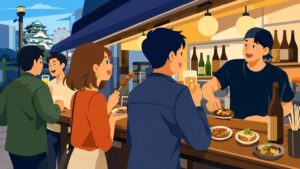
The local izakaya, or Japanese pub, serves as the lively core of neighborhood social life. Whether you’re in a tiny standing bar in Tenma or a large, noisy tavern in Kyobashi, the space’s physical dynamics are uniquely challenging and delightful. Space is limited, and you’ll often be seated shoulder-to-shoulder with strangers. The first non-verbal rule of the izakaya is to accept this close proximity graciously. You don’t recoil; you embrace the shared space.
Ordering food and drinks in these noisy settings relies heavily on physical signals. While a loud verbal call is typical for getting staff’s attention, it must be combined with the right body language. You raise your hand with the palm facing inward and maintain direct eye contact with the server. When drinks arrive, the toast ritual is crucial. When clinking glasses with locals or colleagues, lowering your glass rim slightly below theirs shows respect. However, in the casual atmosphere of a standing bar, this rule is more relaxed. What matters most is sincere enthusiasm: you raise your glass with both hands, hold strong eye contact with everyone around, and offer a deep, appreciative nod before taking your first sip. If a stranger at the next table hands you a menu or an ashtray, a verbal thank you is expected, but true gratitude is expressed through physical mirroring. You match their casual, friendly energy and lean slightly toward them to receive the item, acknowledging the pub’s shared community. These small physical interactions are the glue that holds the neighborhood together, transforming a crowded room of strangers into a temporary, joyful family.
Breaking the Ice: Connecting with Locals Without Words
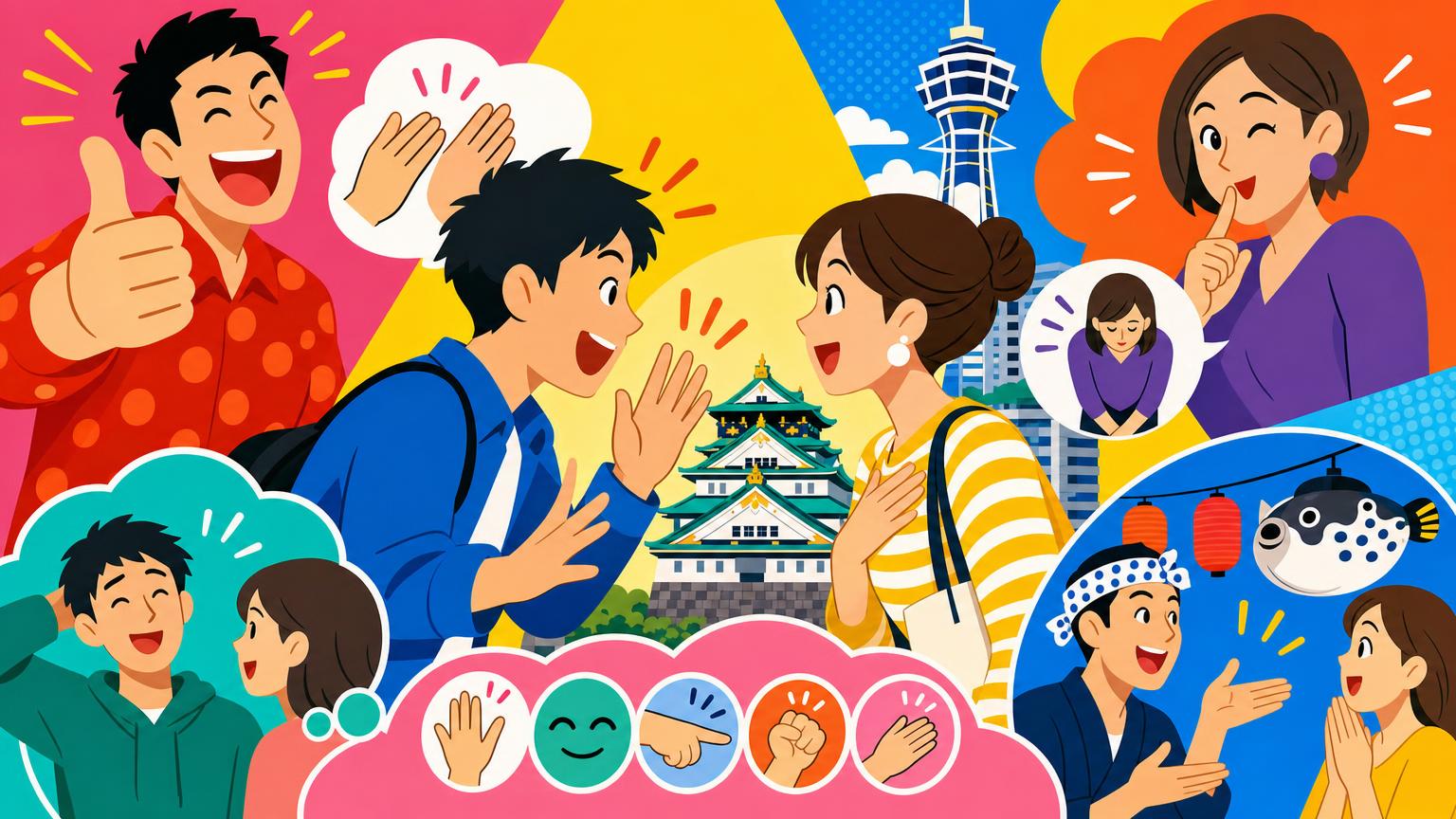
Living in a foreign country can sometimes feel isolating, especially when you encounter the inevitable language barrier. You may find yourself drained from trying to conjugate verbs perfectly or recall the correct vocabulary for a visit to the city ward office. During these moments of frustration, the physical language of this city becomes your greatest comfort and most powerful asset. The people here are surprisingly forgiving of linguistic errors if your physical energy is warm and inviting.
The key to thriving in this vibrant city is surprisingly straightforward. You need to loosen up. You must physically embody the bright, resilient energy that surrounds you. Let go of the stiff, overly polite posture you might have adopted in Tokyo or Kyoto. Relax your shoulders. Allow yourself to gesture while speaking, even if your Japanese is broken. When a neighbor greets you with good morning, don’t just offer a rigid bow. Flash them a broad, genuine smile. Let your eyes crinkle. Let your body language express the warmth your vocabulary might not yet convey.
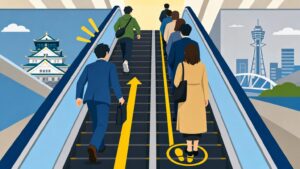
Every day in this city presents countless small chances for physical connection. It’s in how you step aside for a rushing commuter on the escalator. It’s in the polite hand chop you use to navigate crowded supermarket aisles. It’s in the exaggerated, joyful nod you give the chef when your bowl of udon arrives. By observing and adopting the Osaka Japan body language, you do more than just blend in. You show the city you respect its rhythm. You signal to the local residents that you’re ready to be part of their world. When you embrace the expressive, open, and uniquely friendly Kansai communication style, the language barrier starts to fall away. You’ll stop feeling like a permanent tourist and begin feeling like a true local, confidently navigating the loud, lovable, and endlessly fascinating daily life of your new home.